
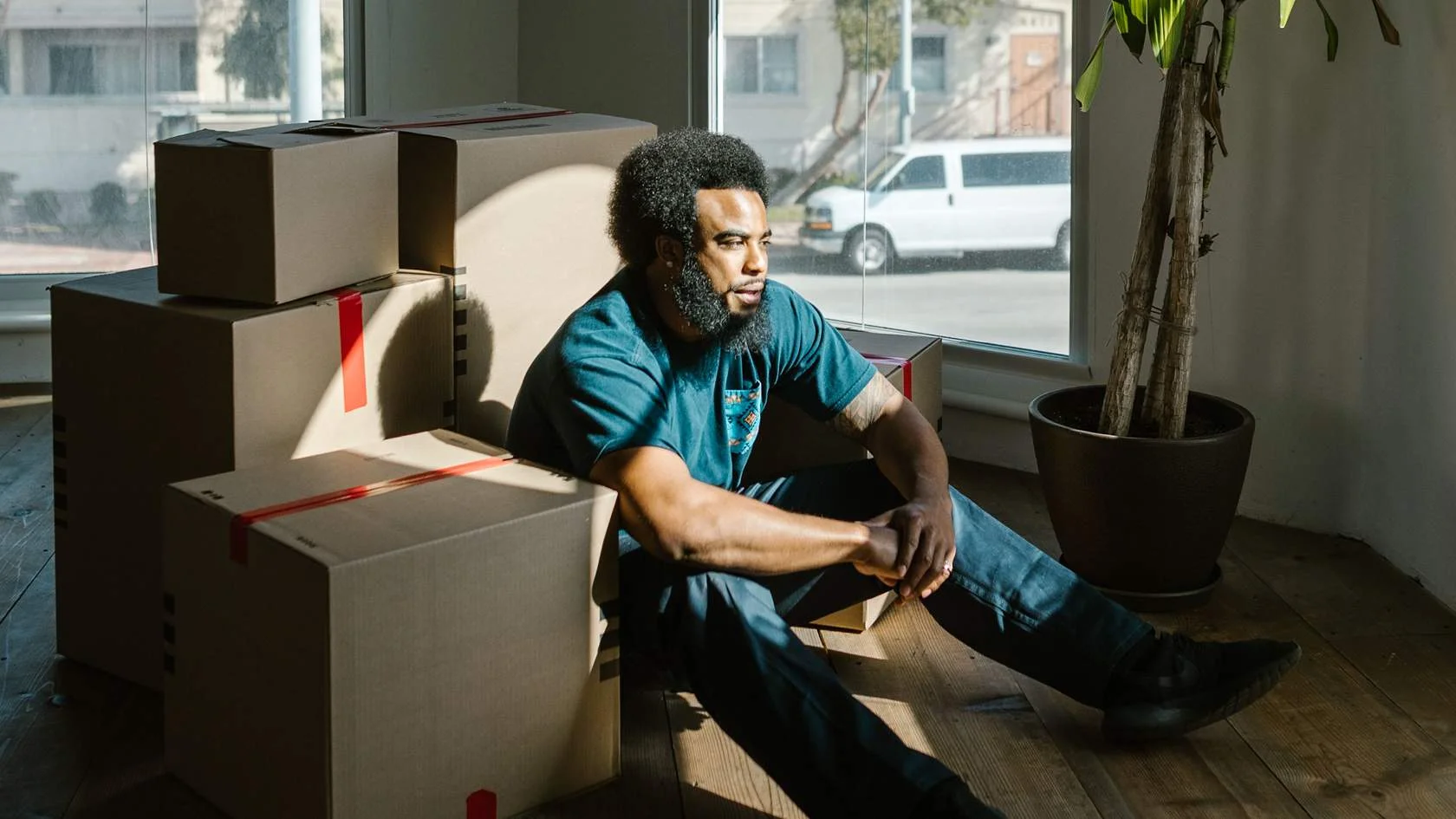
How Stressful Is Moving to a New Home? Understanding the Stress of Moving and Actionable Tips to Help Reduce Moving Stress
Have you ever wondered why moving to a new home can feel so exhausting, even when it’s something you’ve been looking forward to? Moving is stressful for many people because it’s a major life change that can affect both you and your daily routine. Whether you’re moving to a different city or just across town, it’s normal for the whole experience to feel like a lot.
The process of moving is about more than taking your belongings from your old place to a new place. You’re also leaving behind familiar surroundings, adjusting to a new neighbourhood, and trying to settle into a new home while everything still feels unfamiliar. It’s a big transition, and it’s understandable if it takes some time to feel comfortable again.
The good news is that feeling stressed about moving doesn’t have to define the entire experience. Knowing why the move feels challenging can make it easier to understand what you’re going through and approach it with a more positive mindset. Read on to learn how stressful moving to a new home can be and how to make the process feel more manageable.
 You’ll talk with Devika Rogersour Matching Specialist
Start with a free 20-minute matching consultation.
Open now — a Matching Specialist can take your call
Phone line closed — leave a message and expect our call the next business day morning
Help us find your match. Our Matching Specialist will be in touch.
Help us find your match. We’ll contact you the next business day.
View profiles & book online
How Stressful Is Moving? Why This Life Change Feels So Challenging

Moving to a new home can be exciting, but it can also be surprisingly emotional. The moving process is about more than getting from one home to another. When you relocate, you’re leaving behind familiar places, stepping into a new environment, and trying to find your footing again, so it’s no surprise that many people see it as a major stressor.
Why Does Moving Feel Like Such a Big Change?
Most people don’t realize how much comfort comes from the little things they do every day until those things change. A home gives you a sense of familiarity, and moving means starting over in new surroundings where everything can feel unfamiliar for a while. That transition can have a real emotional impact, even if the move is something you wanted.
- Home is where many everyday routines naturally fall into place.
- Familiar places often provide a sense of comfort without you even noticing.
- A new environment takes time to get used to.
- It usually takes a while before you’re fully settled into your new home.
- Building a new sense of familiarity doesn’t happen overnight.
- Everyone experiences relocation differently, so the adjustment looks different for every person.
If you’ve ever walked into a new house and thought, “This doesn’t feel like home yet,” you’re not alone. That feeling is a normal part of the transition, and as time passes, those new surroundings often become just as familiar as the ones you left behind.
Reasons Why People Feel the Stress of Moving Before and During Moving Day

Most people don’t feel overwhelmed because of one big problem. It’s usually the little things that keep piling up until the big move starts to feel like it’s taking over your whole week. Before you know it, your schedule is packed, your energy is running low, and your stress levels keep climbing.
Packing and Organizing Always Takes Longer Than You Think
No matter how prepared you are, packing and organizing an entire home usually takes more time than expected. Every drawer, shelf, and closet seems to hold more than you remembered.
Making So Many Decisions Gets Tiring
Moving means making one decision after another. Figuring out what to keep important, what is non-essential, and what no longer fits your life can lead to decision fatigue before moving day even arrives.
Clutter Makes Everything Harder
The more things you own, the longer the job takes. Sorting through years of belongings can make the move feel much bigger than it first seemed.
Deadlines Can Make You Feel Rushed
Moving often comes with a fixed deadline, and there’s usually a lot to finish before that day arrives. When time starts running short, even small tasks can feel more stressful.
Last-Minute Surprises Can Throw Off Your Plans
Even with careful planning, unexpected problems happen. A delayed delivery, missing paperwork, or forgotten task can quickly turn into last-minute stress.
Heavy Lifting Takes a Toll
Moving furniture and carrying heavy boxes isn’t easy. After hours of heavy lifting, it’s normal to feel sore and tired before you’ve even had a chance to unpack.
Working With Movers Takes Coordination
Whether you’re asking a friend to help or hiring movers, there’s a lot to coordinate. Choosing a reliable moving company or professional movers and making sure everyone is on the same page takes time.
Keeping Essentials Within Reach Isn’t Always Easy
Some things you’ll need right away, while other boxes can wait. Keeping track of essentials during a busy move is often harder than people expect.
Everyday Life Keeps Going
Work, family, errands, and your usual daily habits don’t stop just because you’re moving. Trying to keep up with everything at once can leave you feeling stretched thin.
It’s Easy to Run Out of Energy
When every spare hour is spent getting ready for the move, your body and mind don’t get much of a break. Without time to recharge, it’s easier to experience burnout.
Self-Care Often Gets Pushed Aside
When there’s so much to do, looking after yourself can slip down the priority list. That’s one reason it’s important to take time for self-care and take breaks, even during a busy move.
The Small Details Add Up
There are plenty of logistical tasks that people don’t always think about until they’re in the middle of the move. Updating addresses, transferring services, and keeping paperwork organized all take time.
Other People’s Schedules Can Affect Yours
A realtor, a mover, or another service provider may be working on a different timeline than you. If something changes on their end, your plans may need to change too, and it can create a sense of losing control over your plans.
Unpacking Can Feel Like Starting All Over Again
Getting everything into your new home is only part of the job. Packing and unpacking, putting things away, and trying to find what you need right away can feel like another project on its own.
The To-Do List Keeps Growing
Just when you think you’re finished, another task pops up. Even if you make a list or use a moving checklist, it can sometimes feel like there’s always one more thing left to do, and it can leave you feeling confused about how to make your next move.
Signs That Moving Stress Is Taking a Toll on You Physically, Mentally, and Emotionally

Moving can be exciting, but it can also bring a lot of stress and anxiety, even if everything is going according to plan. Because it’s a transitional period, it’s normal to feel a little off while you’re adjusting to so many changes at once. The important thing is noticing when that stress starts affecting your body, your thoughts, or your emotions.
Physical Signs
Sometimes your body is the first to let you know that you’ve been carrying too much stress.
- Feeling tired even after a good night’s sleep.
- Getting headaches more often than usual.
- Tightness or soreness in your neck, shoulders, or back.
- Having trouble falling asleep or staying asleep.
- Eating much more or much less than you normally would.
- Feeling physically worn out before the day is over.
- Experiencing an upset stomach during particularly stressful days.
Mental Signs
When there’s a lot on your mind, it’s easy to feel like your brain is trying to keep up with too many things at once.
- Having trouble concentrating on everyday tasks.
- Forgetting things you normally wouldn’t forget.
- Finding it harder to stay organized.
- Feeling mentally tired after making simple decisions.
- Constantly thinking about what still needs to be done.
- Feeling overwhelmed by tasks that would normally seem manageable.
- Struggling to stay focused at work or at home.
Emotional Signs
Moving can bring out emotions you weren’t expecting. Even positive changes can take time to adjust to.
- Feeling worried or anxious more often than usual.
- Becoming more impatient or easily frustrated.
- Feeling emotionally drained.
- Crying more easily than you normally would.
- Losing motivation to finish everyday tasks.
- Pulling away from family or friends.
- Feeling less excited about the move than you expected.
- Finding it difficult to process your emotions.
- Feeling unsettled because things feel unfamiliar.
- Taking time to feel safe and comfortable in your new surroundings.
It’s More Common Than You Might Think
The Social Readjustment Rating Scale recognizes moving as a significant life event because adjusting to a new home can affect people in different ways. Feeling stressed during this event doesn’t mean you’re doing anything wrong; it simply means you’re adapting to a major change.
No waitlists. In-person in Barrie, Orillia, Newmarket, or online across Ontario.
Open now — a Matching Specialist can take your call
Phone line closed — leave a message and expect our call the next business day morning
Help us find your match. Our Matching Specialist will be in touch.
Help us find your match. We’ll contact you the next business day.
View profiles & book online
Practical Ways to Reduce Stress and Make Your Move Easier
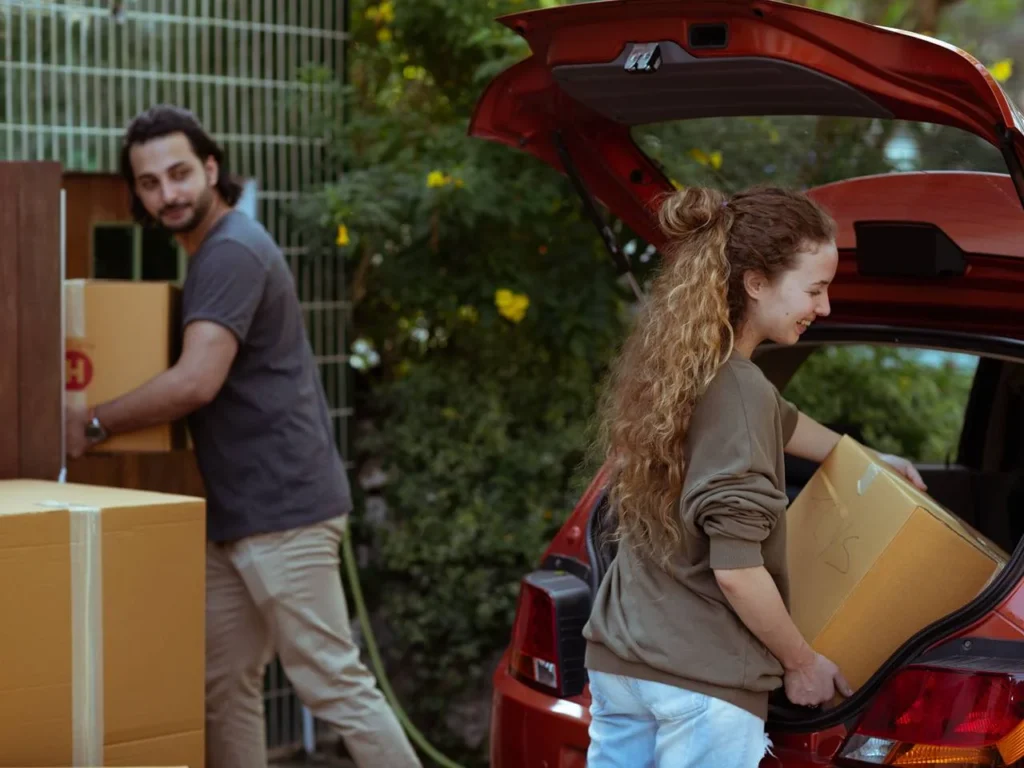
No move is completely free of challenges, but it doesn’t have to feel overwhelming either. A few simple habits can reduce the amount of stress and make the whole experience easier to manage. The goal isn’t to do everything perfectly, but to keep moving forward without feeling overwhelmed.
Take One Step at a Time
Looking at everything that needs to be done all at once can feel exhausting. Breaking the move into smaller tasks makes it easier to stay focused and see your progress.
- Tackle one room before moving on to the next.
- Set a few realistic goals each day.
- Focus on finishing one task at a time.
- Give yourself credit for the progress you make.
Pack Only What You Really Need
Moving is a good chance to let go of things you no longer use. The fewer items you bring with you, the easier the move can become.
- Donate or sell things you no longer need.
- Throw away items that are damaged or no longer useful.
- Keep the belongings you truly value.
- Organize everything before packing it away.
Keep Your Essentials Close By
The first day in a new home is usually busy enough without searching through dozens of boxes. Keeping your everyday essentials within reach can make those first hours much smoother.
- Pack important documents together.
- Keep medications, chargers, and toiletries easy to access.
- Set aside a few clothes for the first couple of days.
- Make sure the items you’ll need first are easy to find.
Ask for Help Instead of Doing Everything Yourself
Moving is a big job, and you don’t have to carry the whole load on your own. Even a little support can alleviate stress and make the day feel much more manageable.
- Ask for help from family or friends.
- Share tasks so everyone has a role.
- Accept help when someone offers it.
- Focus your energy on the jobs only you can do.
Make Time to Look After Yourself
When you’re busy moving, it’s easy to put yourself last. Taking care of your own well-being can reduce the amount of stress and help you keep your energy up.
- Get enough sleep whenever you can.
- Eat regular meals and stay hydrated.
- Take short breaks during the day.
- Spend a few quiet minutes doing something that helps you relax.
Don’t Expect Everything to Go Perfectly
Almost every move comes with a few surprises. Giving yourself permission to adapt can help you handle setbacks without feeling overwhelmed.
- Focus on solving one problem at a time.
- Accept that small delays are part of the process.
- Adjust your plans when you need to.
- Keep your attention on what you’ve already accomplished.
Make Your New Home Feel Like Yours
It often takes a little time before a new place feels comfortable. Adding personal touches can help them feel more familiar and make it easier to settle into your new space.
- Display family photos or favourite decorations.
- Set up the rooms you use most first.
- Unpack the items that bring you comfort.
- Give yourself time to settle in and make the space your own.
Post-Move Adjustment: How to Make the Transition Easier After Moving Day

Once the moving truck is gone and the boxes are inside, you might expect to feel settled right away. For most people, though, that’s not how it works. It takes time to get comfortable in a new home, and that’s completely normal. Little by little, the space starts to feel more familiar, and your new routine begins to fall into place.
Start With the Rooms You Use Every Day
You don’t have to unpack your whole house in one weekend. Focusing on the rooms you use the most can help your home feel functional much sooner.
- Set up your bedroom so you have a comfortable place to rest.
- Unpack the kitchen and bathroom before less important spaces.
- Open only the boxes you need first.
- Work through one room at a time instead of trying to do everything at once.
Make the Space Feel Like Home
A new house can feel a little unfamiliar at first, but small changes can make a big difference. Bringing in the things you love helps the space feel more personal.
- Put up family photos or favourite artwork.
- Arrange furniture in a way that feels comfortable.
- Display decorations that make you smile.
- Keep a few familiar items where you’ll see them every day.
Ease Back Into Your Everyday Routine
One of the best ways to feel settled is to get back to the habits that make your days feel normal. You don’t have to rush, but having a routine again can make life feel more predictable.
- Go to bed and wake up around the same time each day.
- Cook a favourite meal in your new kitchen.
- Start doing the hobbies you enjoy again.
- Return to your usual daily habits when you’re ready.
Take Time to Explore Your New Area
Getting to know your surroundings can help the place feel less unfamiliar. You don’t have to do it all at once. Even a short walk around the neighbourhood can help you feel more comfortable.
- Visit nearby parks, shops, or cafés.
- Learn the routes you use most often.
- Say hello to neighbours if the opportunity comes up.
- Find local places you’ll probably visit regularly.
Be Patient With Yourself
It’s easy to think you should feel settled after a few days, but adjusting to a new home takes time. Some days will feel easier than others, and that’s all part of the process.
- Celebrate the small wins, like finishing a room.
- Don’t worry if everything isn’t perfect right away.
- Permit yourself to settle in at your own pace.
- Remember that feeling at home usually happens gradually.
Stay Connected to the People Who Matter
Moving to a new place doesn’t mean leaving your relationships behind. Staying in touch with the people who make you feel supported can make the transition a little easier.
- Call or message family and friends regularly.
- Invite loved ones over once you’re settled.
- Make time for the people who help you feel connected.
- Build new friendships while keeping old ones strong.
Final Thoughts
Moving is a major life change, so if you’ve been feeling a little stressed or emotional, you’re definitely not alone. It takes time to adjust to a new home, and there’s nothing wrong with needing a little extra patience with yourself along the way.
The good news is that a bit of planning, realistic expectations, and support from the people around you can make the whole experience feel a lot more manageable. Don’t worry if your new place doesn’t feel like home right away.
As you unpack, settle into your routine, and make new memories, it will slowly start to feel familiar. And if the stress ever feels like more than you can handle, reaching out to a trusted friend or a mental health professional is always a smart and healthy step.
Frequently Asked Questions
Can moving stress affect your relationships with family or friends?
Yes, moving stress can sometimes put pressure on relationships. When people are tired, overwhelmed, or stretched by too many changes at once, it can be harder to communicate clearly, stay patient, and handle disagreements calmly.
Shorter patience: Stress can make small issues feel bigger and cause people to become frustrated more easily.
Less communication: Busy schedules, exhaustion, or feeling emotionally drained may cause people to talk less or pull away for a while.
Shared pressure: Everyone involved in the move may experience stress differently, which can lead to misunderstandings or disagreements.
Need for support: Talking openly about feelings and challenges can help family members and friends better understand each other.
Adjustment period: Many relationship struggles improve once everyone has time to settle into the new routine.
How long does it usually take to feel comfortable after moving to a new home?
Getting comfortable in a new home takes time, and there’s no set timeline for when a new place starts to feel familiar. Some people settle in within weeks, while others need months before they truly feel at home. Everyone adjusts differently, and that’s normal.
Personal adjustment: Moving affects everyone differently. Your past experiences, expectations, and how you handle change can all shape how quickly you feel comfortable.
New routines: Creating familiar habits, like having a regular morning routine or setting up your favourite spaces, can make the new environment feel more stable.
Emotional transition: It’s common to miss your old home, neighbourhood, or the routines you had before. Those feelings are part of adjusting to a big change.
Small progress: Simple things like unpacking your belongings, decorating your space, or getting to know the area can slowly help your new home feel more like yours.
Patience matters: Give yourself time to adjust without putting too much pressure on yourself. Feeling settled usually happens little by little.
Is it normal to feel sad or emotional after leaving your old home?
Yes, feeling emotional after leaving a familiar home is very common. A home is more than just a physical space. It often holds memories, routines, and moments that become part of your life.
Attachment to memories: People usually feel connected to a home because of the experiences and memories they had there.
Sense of loss: Leaving a familiar place can feel like saying goodbye to a significant part of your life.
Mixed emotions: It’s possible to feel excited about a new start while also feeling sad about leaving something familiar behind.
Time to process: Allowing yourself to feel these emotions can make the transition easier.
New connections: Over time, your new home can become meaningful as you create new memories and experiences.
Should you make your new home feel like your old one?
Not necessarily. While familiar touches can help you feel more comfortable, your new home doesn’t have to be an exact copy of your old one. It can become its own special place.
Familiar items: Keeping meaningful belongings around can bring a sense of comfort and familiarity.
Personal style: Decorating your space based on your own taste can help you feel more connected to your new surroundings.
Comfort zones: Setting up important areas, like your bedroom or workspace, can make everyday life feel easier.
New experiences: A new home can become special by creating new memories instead of only trying to recreate the past.
Balance: Combining familiar items with new ideas can help you feel connected to both where you came from and where you are now.
When should someone consider getting support for moving-related stress?
Feeling stressed during a move is normal, but ongoing stress that starts affecting your daily life may be a sign that extra support could help. Sometimes having someone to talk to can make a difficult transition feel more manageable.
Daily impact: Consider getting support if stress begins affecting your sleep, work, relationships, or regular activities.
Outside perspective: A trusted friend, counsellor, or mental health professional can offer support and help you work through difficult emotions.
Early support: Reaching out early can make it easier to manage stress before it starts feeling overwhelming.
Emotional difficulty: Ongoing sadness, anxiety, or feeling like you cannot cope may be signs that additional support is needed.
Long adjustment: If moving-related stress continues long after you’ve settled in, talking with someone can help you better understand and manage what you’re experiencing.
Take the next step in whichever way suits you best.
Open now — a Matching Specialist can take your call
Phone line closed — leave a message and expect our call the next business day morning
Help us find your match. Our Matching Specialist will be in touch.
Help us find your match. We’ll contact you the next business day.
View profiles & book online