Silhouette hands framing sunset

Trauma counselling

Trauma Counselling and Therapy: Understanding PTSD and Psychotherapy

Devika Rogers, Matching SpecialistYou’ll talk with Devika Rogersour Matching Specialist

Start with a free 20-minute matching consultation.

Open now — a Matching Specialist can take your call

Phone line closed — leave a message and expect our call the next business day morning

Help us find your match. Our Matching Specialist will be in touch.

Help us find your match. We’ll contact you the next business day.

Call 705-737-3513

Prefer to talk? We’re here to listen

Leave a message after hours

Choose & Book a Therapist

View profiles & book online

Is this you?

Do you find yourself struggling with feelings or memories from the past that still affect your present life?

Are you experiencing emotional overwhelm, flashbacks, or a sense of detachment?

Are you seeking support to heal and restore your emotional balance?

No waitlists. In-person in Barrie, Orillia, Newmarket, or online across Ontario.

Open now — a Matching Specialist can take your call

Phone line closed — leave a message and expect our call the next business day morning

Help us find your match. Our Matching Specialist will be in touch.

Help us find your match. We’ll contact you the next business day.

Call 705-737-3513

Prefer to talk? We’re here to listen

Leave a message after hours

Choose & Book a Therapist

View profiles & book online

Experiencing trauma can have profound effects on an individual’s mental and emotional health. Trauma is a term used to describe the challenging emotional consequences of living through a traumatic event, whether that be a single traumatic event, chronic trauma, or complex trauma. The impact of trauma is different for everyone, and symptoms of post-traumatic stress disorder (PTSD) can manifest in various ways, including anxiety, flashbacks, and emotional distress. These symptoms can interfere with everyday life, relationships, and overall well-being, making healing and recovery feel like an overwhelming journey.

Trauma therapy offers a therapeutic, trauma-informed approach where individuals can work through their traumatic experiences in a safe and supportive environment. Trauma-informed care recognizes the unique challenges posed by trauma and employs evidence-based techniques, such as Cognitive Behavioral Therapy (CBT), Eye Movement Desensitization and Reprocessing (EMDR), and somatic experiencing to help individuals regain control over their lives. At Family TLC, our team of registered clinical counsellors, social workers, and trauma-informed therapists is dedicated to guiding individuals through the process of trauma recovery and helping them develop healthy coping mechanisms.

couples counselling

A story like yours

Our team

nol feldman headshot

Nol Feldman

Registered Psychotherapist (Qualifying)

Golnoosh Shahbaz

Golnoosh Shahbaz

Registered Psychotherapist (Qualifying)

Smiling young woman in blazer against brick wall

Melanie Solomon

Registered Social Worker (MSW)

Soban Khalid

Soban Khalid

Registered Psychotherapist
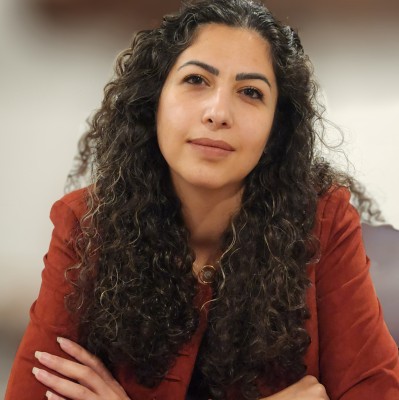
helen khlaeghi headshot

Helen Khaleghi

Registered Psychotherapist

Nicole Reason

Nicole Reason

Registered Social Worker (MSW)

Smiling woman with brown hair and subtle makeup

Brooklyn Arroyo

Registered Psychotherapist

Jordhin Banner

Jorhdin Banner

Registered Psychotherapist

couples counselling

William Stanus

Registered Psychotherapist

couples counselling

Christina Furtado

Registered Psychotherapist

bilikis

Bilikis Adebayo

Registered Social Worker (MSW)

Woman in green sweater and glasses smiling

Wendy Lee

Registered Psychotherapist

couples counselling

Natasha Stasiuk

Registered Social Worker (MSW)

[object Object]

Ilan Strauch

Registered Psychotherapist

stephanie carpino

Stephanie Carpino

Registered Social Worker (MSW)

couples counselling

Aria Martinez

Therapist Counsellor

Travis Ford

Travis Ford

Operations Manager

Devika Rogers, Matching Specialist

Devika Rogers

Matching Specialist

Emily Naranja

Emily Naranja

Internal Bookkeeper

Your roadmap

At Family TLC, we take a trauma-informed approach to care, focusing on understanding your experience and using evidence-based methods to foster healing. Our five-phase process is designed to guide you through recovery in a way that feels supportive and empowering.

1

Intake Phase

Knowing what to expect

The intake phase begins with understanding your unique situation. Trauma is deeply personal, and what may be traumatic for some people may not be for others. Your counsellor will gather information about the events and emotions you’ve experienced and collaborate with you to set clear goals for therapy. This phase often includes education about trauma treatment and the different types of therapy available, such as dialectical behaviour therapy (DBT), psychodynamic therapy, and internal family systems therapy.

2

Discovery Phase

Understanding what is happening

In the discovery phase, your therapist will help you explore how trauma has impacted your thoughts, emotions, and behaviours. Whether it’s avoidance of reminders or heightened emotional responses, your counsellor will guide you in identifying patterns that affect your well-being. Techniques like observed experiential integration (OEI) and talk therapy are often used to address and process posttraumatic stress disorder (PTSD) symptoms. This phase is about creating awareness and understanding, providing a foundation for meaningful change.

3

Working Phase

Working directly on the goals

like DBT, trauma-focused psychodynamic therapy, or somatic techniques, your counsellor will help you process difficult memories and build resilience. Sessions are structured to help you develop coping skills and reduce distress while fostering a sense of empowerment. This approach helps you gain control over your emotions and enhances your ability to manage stress and triggers.

4

Check-In Phase

Maintaining and building on your progress

The check-in phase ensures therapy remains relevant as you grow and change. Your counsellor will evaluate your progress, revisit your treatment goals, and adjust the plan as needed. Whether addressing residual symptoms of traumatic stress or exploring new challenges, this phase helps you maintain momentum and stay on track with your recovery.

5

Follow-Up Phase

Staying connected after active counselling ends

In the follow-up phase, we focus on reinforcing the skills and insights gained during counselling therapy. Continued support helps address emerging challenges, ensuring long-term growth and emotional stability. Whether you choose occasional online therapy sessions or periodic in-person check-ins, the goal is to sustain the positive changes you’ve made.

Where we work

Three Offices and Virtual Care

Lake SimcoeAllistonElmvaleWasaga BeachPort PerrySuttonKeswickAngusInnisfil710111226354004044071Barrie2Orillia3Newmarket© OpenStreetMap
Bradford StLakeshore DrSanford StJohn St© OpenStreetMap

Barrie

160 Bradford St, Barrie, ON

South StNorth St ECalverley StBenner St© OpenStreetMap

Orillia

349 West St N, Unit 2A, Orillia, ON

Yonge StEagle St W© OpenStreetMap

Newmarket

17070 Yonge Street, Newmarket, ON

Anywhere in Ontario

Virtual

Secure video sessions anywhere in Ontario

FAQ

Determining whether trauma counselling is the right step can be a deeply personal decision. At Family TLC, we understand that trauma is difficult to define because the same event may be more traumatic for some people than for others, depending on individual experiences and coping mechanisms. Trauma counselling provides a supportive space to address these challenges and promote healing.

Emotional Impact: Feelings of fear, sadness, or anger that persist long after a distressing event may indicate unresolved trauma. Family TLC offers an approach that helps individuals process these emotions effectively and regain emotional stability.

Physical Symptoms: Unexplained headaches, stomachaches, or chronic fatigue can sometimes be linked to stress or trauma. At Family TLC, our counsellors use techniques to help address both the emotional and physical effects of trauma, improving overall well-being.

Relationship Struggles: Difficulty trusting others or maintaining healthy relationships can result from past traumatic experiences. Family TLC’s trauma counselling fosters personal growth and equips clients with tools to rebuild meaningful connections.

Life Disruptions: Struggling to focus at work or school, avoiding social activities, or feeling disconnected from daily life may signal the need for professional support. Trauma counselling at Family TLC helps clients regain balance and rebuild a sense of normalcy.

Understanding what to expect can ease any uncertainties you may have about starting trauma counselling. At Family TLC, our sessions are tailored to meet your individual needs, ensuring a safe and supportive environment for healing and growth.

Initial Assessment: The first step involves understanding your unique experiences and challenges. Family TLC’s counsellors take the time to build trust and create a space where you feel comfortable sharing your story.

Personalized Approach: Trauma is deeply personal, and our therapists use an approach that helps uncover and address the root causes of your distress. Techniques to help process and reframe traumatic memories are introduced at your own pace.

Skill Building: Developing coping mechanisms is a key focus of trauma counselling. Family TLC equips clients with tools to manage triggers, reduce anxiety, and build resilience for the future.

Ongoing Support: Healing from trauma takes time, and our therapists provide consistent support throughout your journey. Regular sessions ensure you have a dependable resource to navigate challenges as they arise.

Trauma counselling at Family TLC provides a comprehensive approach to address both the emotional and physical symptoms that often accompany traumatic experiences. We understand that trauma affects individuals in unique ways, and our techniques to help are designed to promote holistic healing.

Emotional Regulation: Persistent feelings of anger, sadness, or fear can disrupt daily life. Family TLC’s therapists help clients identify their emotional triggers and develop strategies to manage these reactions effectively.

Physical Wellness: Trauma frequently manifests through physical symptoms such as headaches, tension, or digestive issues. Our counsellors use a combination of mindfulness practices and stress-reduction techniques to alleviate these physical effects.

Cognitive Reframing: Negative thought patterns often accompany trauma, impacting self-esteem and overall mental health. At Family TLC, we work with clients to reframe these thoughts and foster a more positive outlook.

Long-Term Resilience: By addressing the interplay between emotional and physical symptoms, our trauma counselling aims to build resilience and equip clients with tools to navigate future challenges.

Trauma counselling can play a significant role in strengthening your relationships by addressing the underlying issues that may be affecting your interactions with others. At Family TLC, we recognize that trauma often influences trust, communication, and emotional connection.

Rebuilding Trust: Past traumas can make it difficult to trust others, leading to feelings of isolation. Family TLC’s therapists guide clients through exercises that rebuild trust and foster stronger connections.

Effective Communication: Trauma can hinder open and honest communication. Our counselling sessions focus on improving communication skills, enabling clients to express their needs and emotions more effectively.

Conflict Resolution: Unresolved trauma may contribute to heightened conflict in relationships. At Family TLC, we teach techniques to help navigate disagreements in a constructive and compassionate manner.

Enhanced Emotional Intimacy: Addressing trauma allows clients to be more present and emotionally available in their relationships. Family TLC’s approach encourages vulnerability and deeper emotional connections.

The duration of trauma counselling varies depending on individual needs and the complexity of the issues being addressed. At Family TLC, we believe in creating a personalized plan that aligns with your unique circumstances and goals.

Initial Progress: Many clients begin to notice changes within the first few sessions, such as increased self-awareness and improved emotional regulation. These early milestones are essential building blocks for long-term healing.

Ongoing Development: For deeper issues, consistent counselling over several months may be necessary. Family TLC’s therapists use an approach that helps clients gradually process their experiences and develop effective coping strategies.

Tailored Timeline: Everyone’s healing journey is different. Some clients may achieve their goals within a few sessions, while others benefit from ongoing support over a longer period. Family TLC prioritizes flexibility and adapts the counselling process to suit your pace.

Sustainable Results: The ultimate goal of trauma counselling is to equip clients with the tools and resilience needed to maintain progress independently. Family TLC ensures you leave sessions feeling empowered and prepared for the future.

From our blog

Latest Articles

Articles for

Hands planting young tree in soil, sunny day.

Next step

Take the next step in whichever way suits you best.

Open now — a Matching Specialist can take your call

Phone line closed — leave a message and expect our call the next business day morning

Help us find your match. Our Matching Specialist will be in touch.

Help us find your match. We’ll contact you the next business day.

Call 705-737-3513

Prefer to talk? We’re here to listen

Leave a message after hours

Choose & Book a Therapist

View profiles & book online