Relationship Counselling

Relationship Counselling With a Therapist for Friendships, Work and Open Relationships

Devika Rogers, Matching SpecialistYou’ll talk with Devika Rogersour Matching Specialist

Start with a free 20-minute matching consultation.

Phone line open· closes at 4:30 pm

Phone line closed· opens the next business day at 8:00 am

Help us find your match. Our Matching Specialist will be in touch.

Help us find your match. We’ll contact you the next business day.

Call 705-737-3513

Prefer to talk? We’re here to listen

Leave a message after hours

Choose & Book a Therapist

View profiles & book online

How it works

Our relationship counselling services are for the connections that don’t usually get much time in therapy. A close friend stops returning texts, and you can’t tell if you did something. Your manager’s tone on Friday decides how your weekend goes. You say yes to everyone, then feel resentful later. These relationship dynamics are common, and they wear you down. We also see people who co-parent with an ex and keep clashing over differences in parenting, and people in polyamorous, open or consensually non-monogamous relationships who want an affirming therapist who won’t treat their structure as the problem.

You can come on your own, and in some cases with a partner, a metamour or another person in the relationship. Your therapist takes time to understand your history, what you need from the people around you, and where things tend to break down. From there, you set goals together and choose evidence-based approaches that fit you. There’s no waitlist. Start with a free 20-minute matching consultation with our Matching Specialist, who will help with finding the right therapist on our team for what you’re going through.

Our team

nol feldman headshot

Nol Feldman

Registered Psychotherapist (Qualifying)

Golnoosh Shahbaz

Golnoosh Shahbaz

Registered Psychotherapist (Qualifying)

Smiling young woman in blazer against brick wall

Melanie Solomon

Registered Social Worker (MSW)

Soban Khalid

Soban Khalid

Registered Psychotherapist
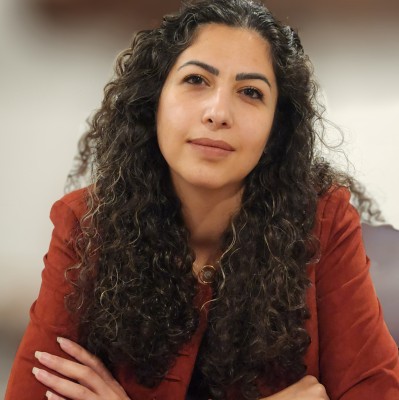
helen khlaeghi headshot

Helen Khaleghi

Registered Psychotherapist

Nicole Reason

Nicole Reason

Registered Social Worker (MSW)

Smiling woman with brown hair and subtle makeup

Brooklyn Arroyo

Registered Psychotherapist

Jordhin Banner

Jorhdin Banner

Registered Psychotherapist

couples counselling

William Stanus

Registered Psychotherapist

couples counselling

Christina Furtado

Registered Psychotherapist

bilikis

Bilikis Adebayo

Registered Social Worker (MSW)

Woman in green sweater and glasses smiling

Wendy Lee

Registered Psychotherapist

couples counselling

Natasha Stasiuk

Registered Social Worker (MSW)

[object Object]

Ilan Strauch

Registered Psychotherapist

stephanie carpino

Stephanie Carpino

Registered Social Worker (MSW)

couples counselling

Aria Martinez

Therapist Counsellor

Travis Ford

Travis Ford

Operations Manager

Devika Rogers, Matching Specialist

Devika Rogers

Matching Specialist

Emily Naranja

Emily Naranja

Internal Bookkeeper

Your roadmap

1

Intake Phase

A clear and professional beginning

Your therapist makes sure you are both fully informed about couples counselling, understand what to expect from Family TLC and the Family TLC Method, and have the information you need before moving forward.

2

Discovery Phase

Understanding each of you and your relationship

Through individual and joint appointments, your therapist understands each of you and the patterns, struggles and strengths between you. Together you create a Care Plan with the goals and approaches counselling will focus on.

3

Working Phase

Turning understanding into change

Your therapist helps you put your Care Plan into action — understanding recurring reactions, recognizing patterns as they happen, working through trust or attachment injuries and practising different ways of responding to each other.

4

Check-In Phase

Building on the progress you have made

Once you reach your goals, appointments become less frequent. Check-ins help you see how changes hold up in everyday life, reinforce healthier patterns and keep strengthening your connection and growth as a couple.

5

Follow-Up Phase

Staying connected after couples counselling

When regular appointments are no longer needed, active couples counselling ends. You remain connected with Family TLC and can reconnect at any time if your relationship changes or new concerns arise.

Is this you?

Do friendships leave you feeling drained, left out or taken for granted?

Is tension with a coworker or manager following you home?

Do you keep ending up in the same arguments or roles, no matter who you’re with?

No waitlists. In-person in Barrie, Orillia, Newmarket, or online across Ontario.

Phone line open· closes at 4:30 pm

Phone line closed· opens the next business day at 8:00 am

Help us find your match. Our Matching Specialist will be in touch.

Help us find your match. We’ll contact you the next business day.

Call 705-737-3513

Prefer to talk? We’re here to listen

Leave a message after hours

Choose & Book a Therapist

View profiles & book online

A story like yours

Where we work

Three Offices and Virtual Care

Lake SimcoeAllistonElmvaleWasaga BeachPort PerrySuttonKeswickAngusInnisfil710111226354004044071Barrie2Orillia3Newmarket© OpenStreetMap
Bradford StLakeshore DrSanford StJohn St© OpenStreetMap

Barrie

160 Bradford St, Barrie, ON

Andrew St SColborne St WMississaga St WWest St S© OpenStreetMap

Orillia

Hartley Haus, 36 Andrew St S, Orillia, ON

Yonge StEagle St W© OpenStreetMap

Newmarket

17070 Yonge Street, Newmarket, ON

Anywhere in Ontario

Virtual

Secure video sessions anywhere in Ontario

FAQ

This kind of therapy helps you understand and improve how you relate to the people in your life. That can mean partners, but also friends, coworkers, family members as an adult, or several partners at once.

Sessions focus on what actually happens between you and others: what sets off conflict, what you need, and what you do when you feel hurt or ignored. Bit by bit, you start to see patterns that are hard to notice on your own.

You also practise new skills, like how to improve communication, set limits without guilt, and repair after an argument. Over time, these changes help you build a healthy relationship with the people who matter most.

Couples counselling and marriage counselling focus on one romantic partnership. This service is broader. It looks at friendships, work, adult family ties, recurring patterns and non-monogamous relationships, and you can come on your own, much like individual counselling.

If you and one partner want to work on your bond together, couples therapy can help with communication, intimacy and trust after infidelity. Our team offers individual and couples sessions, and we help couples navigate which one fits.

Many people use both. You might see a couples therapist with your partner and work on friendship or work patterns in individual therapy. Many couples with kids also try family therapy with a family therapist. Our Matching Specialist can help you choose.

Friendships matter as much as any other relationship, but there’s rarely a script for when they go wrong. Therapy gives you a place to sort out what you feel before you decide how to navigate it.

People come to us about one-sided friendships, a falling-out, feeling left out of a group, or loneliness after a move or other life transitions. Some want to rebuild trust with a friend. Others want to understand why making close friends feels so hard.

In sessions, you’ll work out your emotional needs and practise asking a friend for what you want. You’ll also look honestly at friendships that take far more than they give. Some are worth repairing. Others you may decide to let go, with less guilt than before.

Yes. Conflict with a manager or coworker can affect your sleep, your mood and your home life. Sessions help you understand what is happening and respond in a way that protects your well-being.

For example, you might practise taking feedback without going quiet for the rest of the day, or saying no to a coworker who keeps handing you their tasks. Sometimes a boss reminds you of someone from your past, and seeing that changes how you react.

Conflict resolution skills you build in sessions carry over to the rest of your life. Many people find that once work feels more manageable, they have more patience for friends, family and partners too.

Yes. Our team offers affirming support for polyamorous, open and other consensually non-monogamous relationships. We don’t assume your relationship structure is the problem, and you won’t have to explain or defend it.

People reach out about jealousy, time and energy, agreements that no longer fit, opening a relationship, or rebuilding trust after an agreement was broken. Some come alone, some with one partner, and some with more than one person in the relationship, including adults parenting together.

Sessions help everyone involved talk about intimacy, emotional connection and changing needs in a safe space. The aim is to help you navigate the relationships you have chosen, in a way that feels fair and honest to everyone.

It can. A lot of people notice they play the same part everywhere, whether that’s fixing other people’s problems or backing away when things get close. The work in therapy starts by catching that moment as it happens and naming what you feel.

These patterns usually developed for a reason. They may have helped you cope with family dynamics growing up or a past relationship. Understanding why they formed makes them easier to change, without blaming yourself.

Then you practise new responses, first in sessions and then in real life. Change is gradual, but many people notice they handle these moments differently within a few months of steady work.

Approaches are chosen for you, not the other way around. Depending on your goals and your therapist’s training, the work may draw on evidence-based approaches such as acceptance and commitment therapy or narrative therapy.

When partners come in together, including polyamorous partners, some therapists use emotionally focused therapy (EFT) or the Gottman Method. These help people understand their emotional bonds and handle conflict in a calmer way.

Everyone on our clinical team works in a non-judgmental, trauma-informed and affirming way that respects your identity, background and relationship structure. You can always ask why a certain approach is being used.

Yes. Counselling and psychotherapy sessions are confidential within the professional and legal limits your therapist will explain at the start. Our team includes registered psychotherapists and registered social workers, regulated by their professional colleges in Ontario.

You can choose in-person therapy at our Barrie, Orillia or Newmarket offices, or virtual therapy by secure video anywhere in Ontario. The care is the same either way. Video sessions are handy when people in the relationship live in different places.

Sessions last about 50 minutes, with appointments into the evening on weekdays and on Saturday mornings. Book a free matching consultation for in-person or online therapy, and we’ll help you find someone who fits your needs.

From our blog

Latest Articles

Articles for

Next step

Whatever your relationships look like, you don't have to sort them out alone. Book a free 20-minute matching consultation, and we'll match you with one of our experienced therapists.

Phone line open· closes at 4:30 pm

Phone line closed· opens the next business day at 8:00 am

Help us find your match. Our Matching Specialist will be in touch.

Help us find your match. We’ll contact you the next business day.

Call 705-737-3513

Prefer to talk? We’re here to listen

Leave a message after hours

Choose & Book a Therapist

View profiles & book online