


What Is Emotional and Psychological Abuse? Signs of Emotional Abuse, Examples, and Hotline Help
Have you ever walked away from a conversation feeling confused, small, or unsure of what really happened? This kind of harm can be hard to name because it rarely leaves visible marks. Instead, it slowly wears down your confidence, your sense of self, and your trust in your own memory—often so gradually that you don’t notice until you feel like a different person.
In this blog, we’ll explain what emotional abuse is, the most common types and warning signs, how it affects your mental health, and where to find confidential support in Canada. Whether you’re questioning your own relationship or worried about someone you love, understanding this form of harm is an important first step toward safety and healing.
What Is Emotional Abuse?
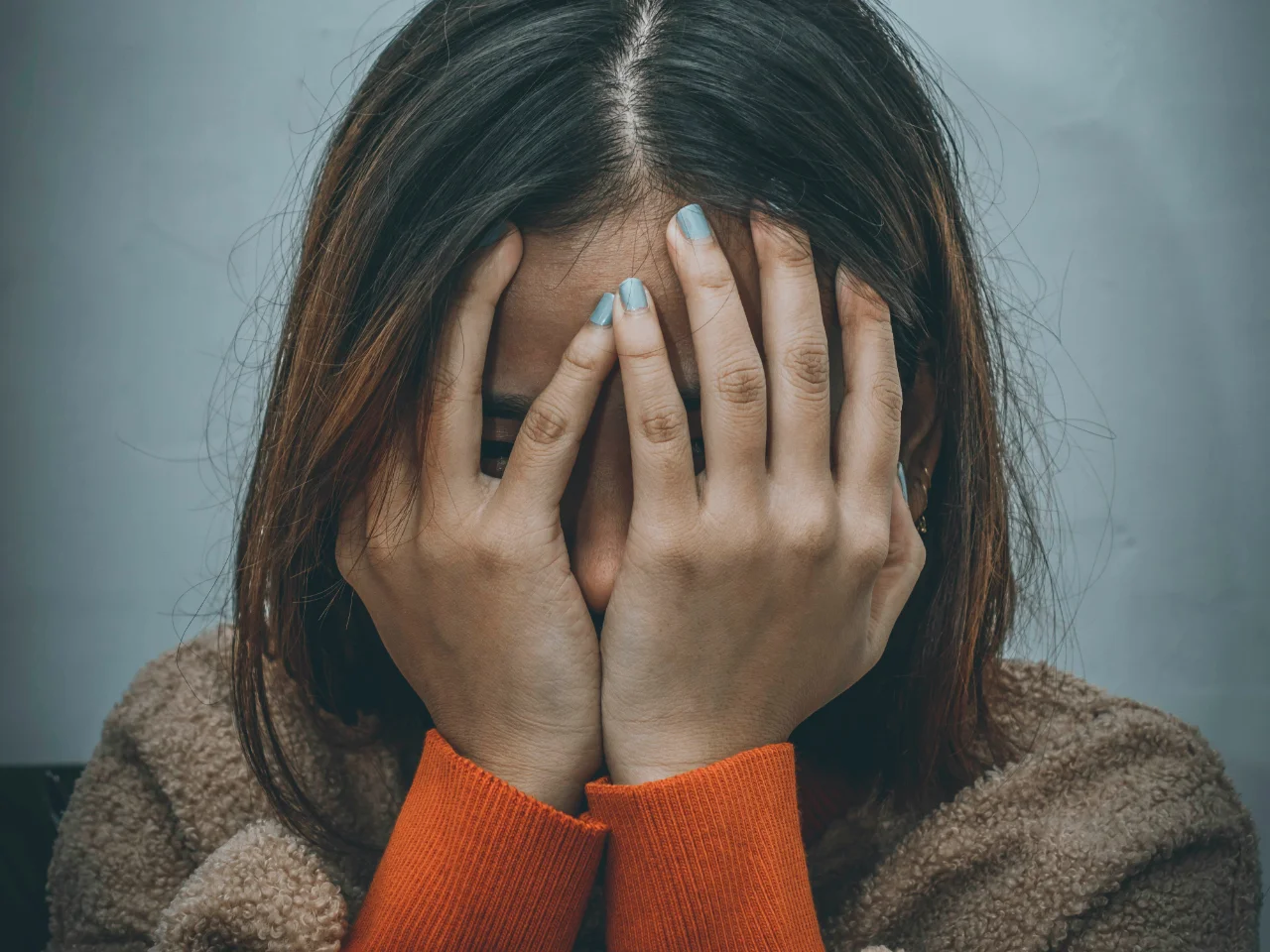
Emotional abuse is when someone uses words, behaviours, and threats to control, frighten, or diminish another person. Unlike physical abuse, it doesn’t involve hitting, but it can be just as damaging. Emotional abuse involves a repeated pattern of behaviour rather than a single argument or a bad day. Over time, the abuser uses criticism, humiliation, blame, and manipulation to gain power over the other person’s thoughts, feelings, and choices.
This type of abuse is also called psychological abuse or mental abuse, and professionals often use the phrase “emotional and psychological abuse” to describe the full picture. It’s recognized as a form of family violence and domestic abuse, and it can happen in romantic relationships, between parents and children, among relatives, and even at work or school.
Emotional Abuse Is About Control
The core of an emotionally abusive relationship is control. The abuser may never raise a hand, yet the other person ends up changing how they dress, who they see, and what they say just to avoid a reaction.
It Can Happen to Anyone
People of every age, gender, culture, and background can be affected. Research on violence against women shows women are disproportionately affected in intimate relationships, but men, 2SLGBTQ+ people, older adults, and children are emotionally abused too.
Types of Emotional Abuse

There are many types of emotional abuse, and they often overlap. Naming specific tactics can help you make sense of experiences that felt confusing at the time. Common forms of abuse include:
- Verbal abuse: Name-calling, insults, sarcasm, and put-downs, like yelling, mocking your appearance, or calling you “stupid” or “crazy,” either in private or in front of others.
- Gaslighting: A form of emotional abuse in which the abuser denies events, twists facts, or insists you’re “too sensitive” until you begin to doubt your own perception.
- Isolation: An abuser may isolate you from friends and family by criticizing them, demanding all your time, or making social plans so stressful that you stop going.
- Jealousy and monitoring: Checking your phone, tracking your location, or accusing you of cheating. Jealousy is often framed as love, but it restricts your freedom.
- Threatening behaviour: Threats to leave, to harm themselves, to take the children, or to share private information. Threats create fear without physical violence.
- Financial abuse: Controlling money, withholding access to accounts, or preventing you from working so you stay dependent.
- “Narcissistic abuse”: A popular term for cycles of idealization and devaluation. It isn’t a clinical diagnosis, but it describes a pattern many people recognize.
Childhood Emotional Abuse
Childhood emotional abuse includes constant criticism, rejection, threats, and exposing a child to domestic violence at home. Child protection experts treat emotional maltreatment as a serious concern alongside physical abuse, sexual abuse, and neglect, and the Centers for Disease Control and Prevention lists psychological abuse as a core form of child maltreatment. Research on maltreated children shows that emotional abuse and neglect can affect development well into adulthood. In Ontario, anyone who suspects child abuse must report it to a children’s aid society, the Canadian equivalent of child protective services. Child counselling can help young people process what they’ve experienced.
Signs of Emotional Abuse: Warning Signs to Watch For

Emotional abuse can be difficult to spot from the inside, especially when the other person is also loving at times. These warning signs may help you understand what’s happening.
You Feel Like You’re Walking on Eggshells
You constantly monitor your words and actions to prevent an outburst, and you feel tense when your partner comes home.
You Constantly Apologize or Doubt Yourself
You find yourself saying sorry for things that aren’t your fault, or you no longer trust your own memory of events.
You’re Criticized, Blamed, or Belittled
Your ideas, appearance, or abilities are regularly mocked. Problems in the relationship are always framed as your fault.
You’ve Become Isolated From People You Love
You see friends and family less, or you’ve stopped sharing details with them because it causes conflict at home.
Your Choices Are Monitored or Controlled
Your spending, clothing, schedule, or phone use is checked and questioned, leaving you with little privacy or independence.
How to Recognise Emotional Abuse When You’re Unsure
If you’re second-guessing yourself, try writing down incidents as they happen and noticing how you feel afterward. Talking with someone outside the relationship can also offer perspective. If you consistently feel afraid, confused, or diminished, these are signs of abuse worth taking seriously.
Effects of Emotional Abuse on Mental and Physical Health

Although it leaves no bruises, the impact of emotional abuse can be profound and long-lasting. Emotional abuse can impact how you think, feel, and relate to others:
- Low self-esteem: Repeated criticism can become an inner voice, leading to low self-esteem and shame.
- Anxiety and depression: Living in constant tension often leads to anxiety, low mood, and hopelessness.
- Trauma symptoms: Nightmares, hypervigilance, and emotional numbness can develop, similar to other forms of trauma.
- Loss of your sense of self: Many people lose touch with their own preferences, goals, and identity.
- Physical health problems: Chronic stress can contribute to headaches, sleep problems, and fatigue, showing how physical and emotional health are connected.
- Difficulty trusting others: The effects of abuse can make future relationships feel unsafe.
Who Faces a Higher Risk of Emotional Abuse?
Anyone can be targeted, but the risk of emotional abuse can be higher for people who are financially dependent, socially isolated, living with a disability, new to Canada, or who experienced abuse in childhood. In some relationships, emotional abuse is a precursor to physical abuse, so escalating threats should always be taken seriously.
Leaving an Abusive Relationship Safely

Leaving an abusive relationship is a process, not a single moment. Emotional abusers may escalate when they sense a loss of control, so planning ahead matters.
- Reach out to a trusted friend: Reaching out to a trusted person breaks the isolation that abuse depends on.
- Document what’s happening: Keep notes, screenshots, or messages in a safe place the abuser can’t access.
- Create a safety plan: A domestic violence advocate or helpline worker can help you plan where to go and what to bring.
- Protect essentials: Keep ID, bank cards, medication, and important documents ready.
- Get professional support: Abuse counselling can help you make decisions at your own pace.
Confidential Hotline Support in Canada
In the U.S., the National Domestic Violence Hotline is the main crisis line. In Canada, domestic violence support is mostly organized by province. In Ontario, you can reach:
- Assaulted Women’s Helpline: 1-866-863-0511 (TTY 1-866-863-7868), or #SAFE (#7233) on Bell, Rogers, Fido, or Telus mobile phones. It’s free, anonymous, and available 24/7.
- Fem’aide (French): 1-877-336-2433.
- 9-8-8 Suicide Crisis Helpline: Call or text 9-8-8 any time.
- Kids Help Phone: 1-800-668-6868, or text CONNECT to 686868.
Men and gender-diverse people can call 211 Ontario to find local services. If you’re in immediate danger, call 911.
Healing From Emotional Abuse

Healing from emotional abuse takes time, but survivors can and do rebuild their confidence and relationships.
Name What Happened
Acknowledging that you were emotionally abused, rather than “overreacting,” is a powerful step. It helps you stop blaming yourself for someone else’s abusive behaviour.
Rebuild Your Sense of Self
Reconnect with activities, values, and friendships that belong to you. Small choices made for yourself help restore independence.
Learn What a Healthy Relationship Looks Like
A healthy relationship includes respect, honesty, and the freedom to disagree safely. Learning these markers can help you set boundaries in the future.
Work With a Trauma-Informed Therapist
Whether or not you’ve decided to end the relationship, therapy offers a safe, confidential space to process your experience. Approaches like narrative therapy and mindfulness-based therapy can help you rewrite the story abuse told you about yourself.
Final Thoughts
Emotional abuse happens more often than many people realize, and sometimes emotional abuse is the hardest type of abuse to identify because it hides behind “normal” arguments. Recognizing the signs, understanding the effects, and reaching out for support can help you move from confusion toward clarity and safety.
You don’t have to figure this out alone. With the right support, it’s possible to heal, rebuild your self-esteem, and create relationships where you feel safe and respected.
Frequently Asked Questions
What is the difference between emotional abuse and normal conflict?
All couples argue, but abuse follows a different pattern.
Power Imbalance: In abuse, one person consistently controls the other; healthy conflict is between equals.
Fear: You feel afraid of your partner’s reactions rather than safe to disagree.
Repetition: Put-downs, threats, and blame happen repeatedly, not occasionally.
No Repair: Healthy couples apologize and change; abusive patterns continue.
Can emotional abuse happen without physical violence?
Yes. This harm may exist entirely on its own.
Separate Type of Harm: It’s recognized as a distinct form of violence and abuse.
Equally Serious: Its psychological effects can be as harmful as physical harm.
Possible Escalation: In some relationships, it later becomes physical.
Worth Addressing: You don’t need bruises to deserve help.
Why do people use emotional abuse?
People use emotional abuse for many reasons, but none of them excuse it.
Need for Control: Abuse is primarily about power and control.
Learned Patterns: Some grew up in homes where abuse was modelled.
Insecurity: Jealousy and fear of abandonment can drive controlling behaviour.
Responsibility: Whatever the cause, the abuser is responsible for their actions.
How can I support someone who is being emotionally abused?
Your support can make a real difference.
Listen Without Judgment: Believe them and avoid telling them what they “should” do.
Stay Connected: Isolation is a key tactic, so keep reaching out.
Share Resources: Offer hotline numbers and information about counselling.
Respect Their Pace: Leaving is complex; your patience helps them feel safe.