

CPTSD Symptoms: How Complex Trauma Differs From PTSD
We hear a version of this a lot: “I read about post-traumatic stress disorder online, and it sort of fit, but not really.” Nothing terrible happened on one particular day. It was more like ten years of watching Dad’s face at dinner to figure out what kind of night it was going to be.
There’s a name for this. It’s called complex PTSD, or CPTSD (you’ll also see C-PTSD). It usually comes from trauma that kept happening, often in childhood or in a relationship that was hard to leave. A lot of adults we see have never heard the term. They just know that a short email from their boss can ruin their whole weekend, and they don’t know why.
In this blog, we’ll go over the symptoms of CPTSD, how complex PTSD is different from PTSD, what causes it, and what treatment looks like. Read on…
 You’ll talk with Devika Rogersour Matching Specialist
Start with a free 20-minute matching consultation.
Open now — a Matching Specialist can take your call
Phone line closed — leave a message and expect our call the next business day morning
Help us find your match. Our Matching Specialist will be in touch.
Help us find your match. We’ll contact you the next business day.
View profiles & book online
What Is Complex PTSD?
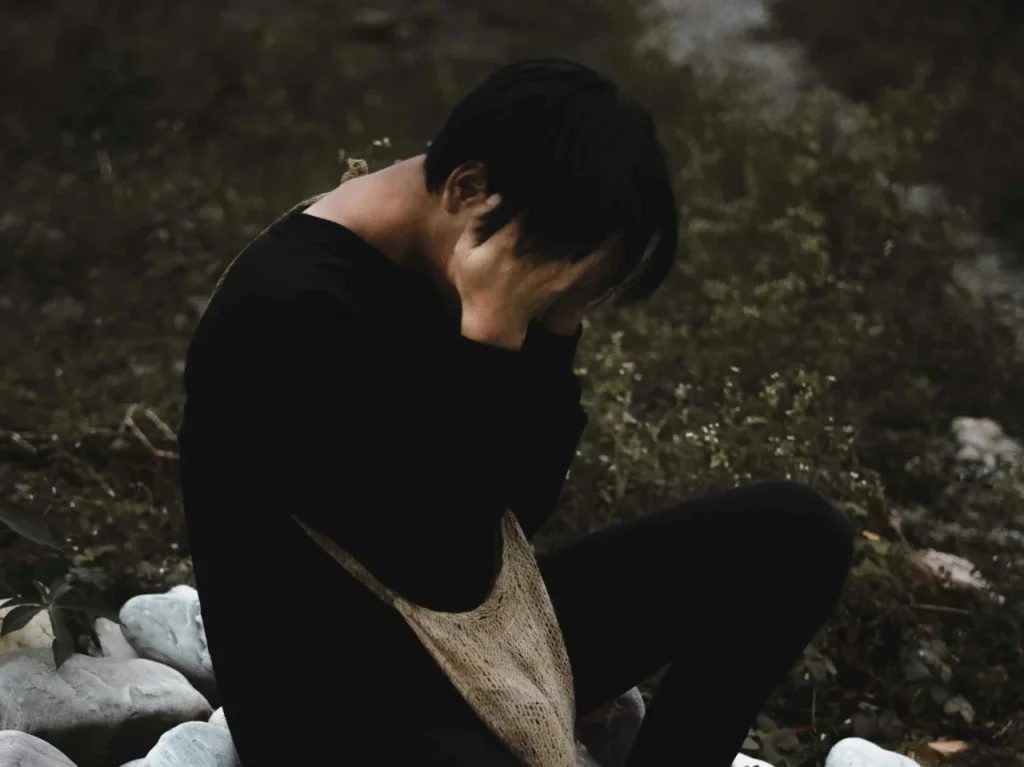
Complex post-traumatic stress disorder (you’ll sometimes see complex posttraumatic stress disorder) can show up after trauma that drags on. Think months or years, not one afternoon. And usually, the person couldn’t just leave.
The idea isn’t new. In the early 1990s, psychiatrist Judith Herman noticed that people who’d been through years of abuse had problems a standard diagnosis of PTSD didn’t really cover. Back then, posttraumatic stress disorder was mostly about fear after a single event. Researchers tried other labels for a while, like “disorders of extreme stress not otherwise specified.” There was also an older European one, “enduring personality change after catastrophic experience.”
CPTSD in the ICD-11
In 2022, the World Health Organization made complex PTSD its own diagnosis in the International Classification of Diseases, 11th edition (ICD-11). Work by researchers like Marylène Cloitre helped make the case for the ICD-11 complex PTSD diagnosis. Her studies showed that PTSD and CPTSD form two different symptom patterns.
Here in North America, doctors mostly use the DSM-5-TR, and it doesn’t list CPTSD on its own. So in Ontario, a mental health professional might call what you’re going through PTSD, complex trauma, or a trauma-related condition. Honestly, the label matters less than whether your treatment fits. Whether or not you ever get an official diagnosis of PTSD or CPTSD, trauma counselling can help you sort it out.
Symptoms of CPTSD
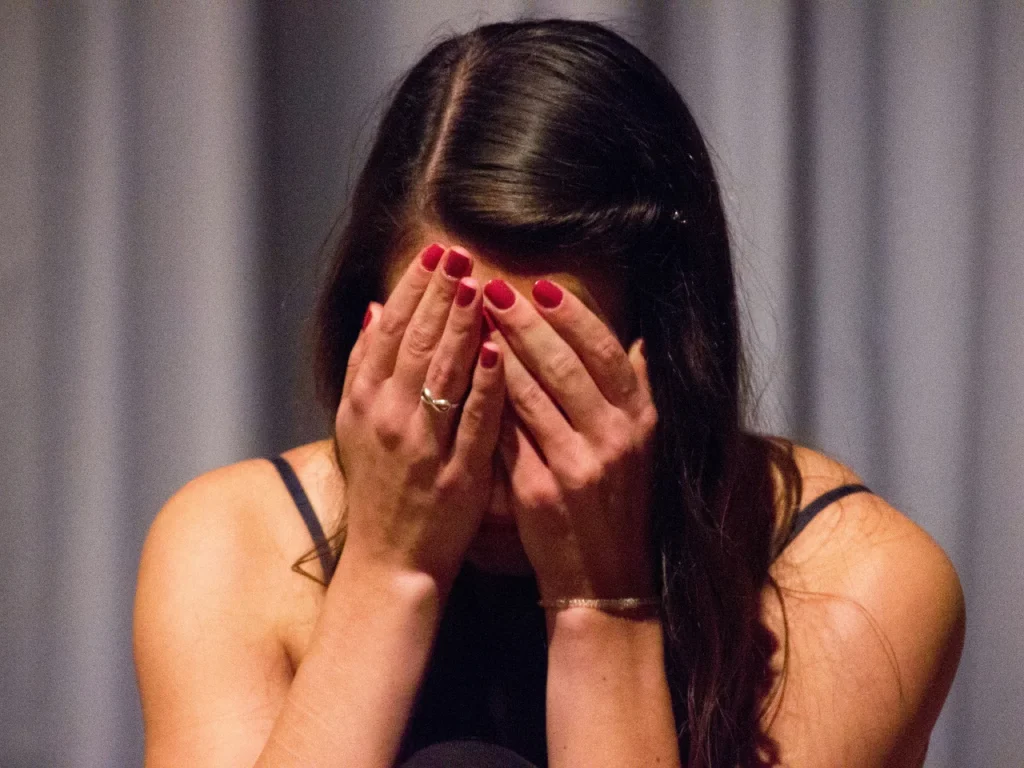
Under ICD-11, complex PTSD has the core symptoms of PTSD plus three more groups of problems. People often notice the symptoms of C-PTSD bit by bit, over years.
The Core Symptoms of PTSD
This first group is the same as in standard PTSD, and it usually links back to a traumatic event or a long string of them. A song comes on at No Frills and for a second you’re nine again, hiding in your closet. That’s what a flashback can be like. Avoidance might mean taking side streets for years so you don’t pass your old house. Being on guard can look like always taking the seat that faces the door.
The Added Symptoms of Complex PTSD
Clinicians call these “disturbances in self-organization.” For a lot of people, these are the hardest part.
Trouble with emotions. Clinicians call this difficulties with emotional regulation. You can go from calm to furious in seconds, or go numb when everyone else is upset. Many survivors tell us they never learned how to regulate their emotions as kids, because the adults around them weren’t safe. Feeling some control over their emotions is often new to them. Our emotion dysregulation counselling works on exactly this.
A harsh view of yourself. Shame, guilt, and the belief that you’re broken or “too much.” This often goes hand in hand with low self-esteem.
Relationship problems. It’s hard to let people close. Some people end up with partners who hurt them. Others pull away the second someone gets near.
Physical Symptoms and Dissociation
Many people experience symptoms in their body and don’t connect them to their past at all. When your stress response stays switched on for years, it shows. Jaw clenching is a big one. So are stomach problems, and a tiredness that even a long weekend at the cottage won’t touch. Dissociation can be pretty quiet. You get home and can’t remember the drive. Or you’re arguing with your partner and your own voice sounds far away. If shutting down sounds familiar, our guide to hypoarousal explains why that happens.
PTSD and Complex PTSD: The Key Differences
PTSD and CPTSD have similar symptoms, so they get mixed up a lot. Even therapists sometimes go back and forth on whether someone has PTSD or CPTSD. The main difference is the kind of trauma and how much of your life it touches.
PTSD often follows a single event or a short period of time, like a car accident, an assault, or a flood. Complex PTSD usually follows trauma that went on for months or years, and most of the time another person caused it. Both include the core symptoms of PTSD, and the ICD-11 recognizes both. The difference shows up in the rest of your life. With PTSD, trouble with emotions, self-image, and relationships can happen, but it isn’t part of the diagnosis. With complex PTSD, those problems are at the centre of it.
Here’s an example. Someone with PTSD after a car crash might be fine at home but panic on the 400. Someone with CPTSD after years of childhood abuse or neglect may struggle in almost every relationship, since the trauma shaped how they learned to connect. Plenty of people with PTSD from one event don’t have those wider struggles related to PTSD. For first responders, though, years of repeated calls can blur the line. We talk about that in our article on PTSD and first responders.
CPTSD and Borderline Personality Disorder
Complex PTSD and borderline personality disorder (BPD) get confused, and we get why. Both can look like big feelings and messy relationships. Research says they’re not the same, though. A person with BPD might adore someone on Monday and want nothing to do with them by Friday, and their sense of who they are can move around a lot. With CPTSD, the self-image tends to stay put. It’s just unkind. Sorting this out matters for treatment, and our BPD counselling team can help.
No waitlists. In-person in Barrie, Orillia, Newmarket, or online across Ontario.
Open now — a Matching Specialist can take your call
Phone line closed — leave a message and expect our call the next business day morning
Help us find your match. Our Matching Specialist will be in touch.
Help us find your match. We’ll contact you the next business day.
View profiles & book online
What Causes CPTSD?
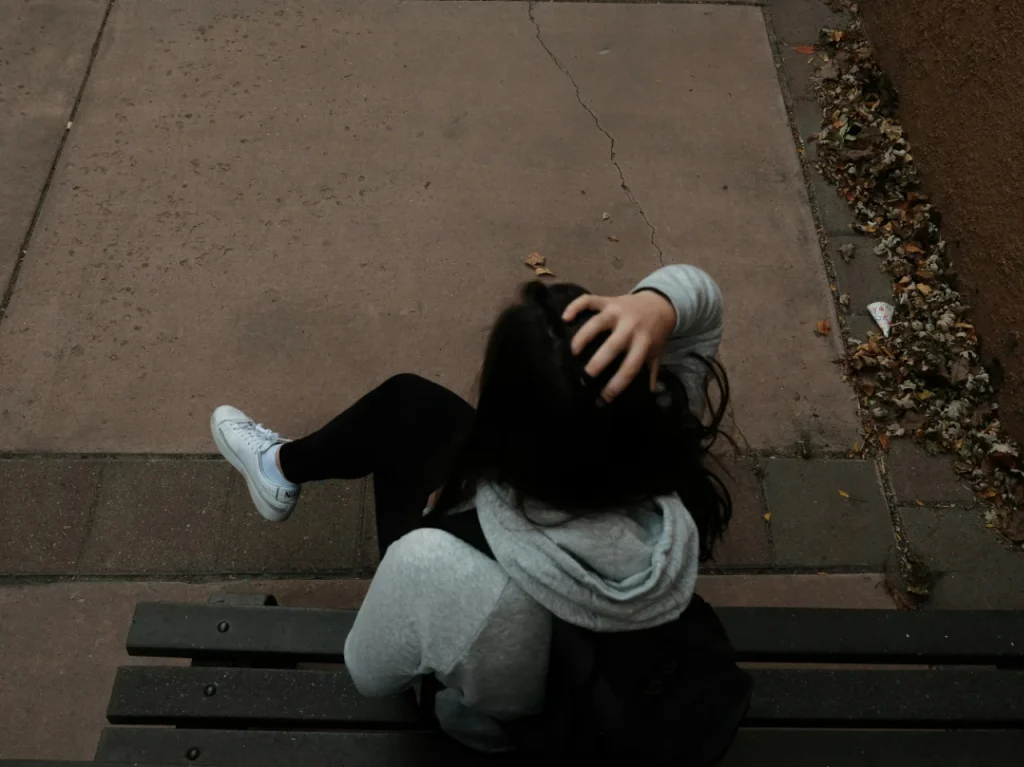
Complex trauma usually means harm that happened again and again, was hard to escape, and often came from someone the person relied on. For example:
- Childhood physical, emotional, or sexual abuse
- Ongoing neglect, or a caregiver who was scary to be around
- Years of domestic violence or emotional abuse
- Human trafficking, torture, or being held captive
- Living through war, or fleeing it as a refugee
Not everyone who lives through this will develop C-PTSD. That’s similar to how two people can be in the same car accident and only one of them develops post traumatic stress disorder. You’re more likely to develop it if it started when you were young, if it lasted a long time, or if the person hurting you was a parent. Early relationships shape attachment too, which is why CPTSD and disorganized attachment often show up together.
If this is your story, please know the symptoms aren’t weakness. They’re how your nervous system learned to survive.
Diagnosis and Treatment for Complex PTSD

You don’t need an official diagnosis to get help. A good assessment does help, though. It lets your therapist understand your history and rule out other things. Symptoms related to depression, anxiety, or drug and alcohol use are common, so you might get support for other problems along the way.
A Phased Approach
Treatment for CPTSD usually happens in stages. In the beginning, we focus on helping you feel steady enough to do the work, so we spend time on coping skills and on noticing what calms your body. Later, when you’re ready, we start on the painful memories, a little at a time. Toward the end, the focus shifts to the rest of your life and the relationships you want to build.
Effective Treatment Options
- Trauma-focused cognitive behavioural therapy (TF-CBT): Helps you challenge beliefs like “it was my fault.”
- Eye movement desensitization and reprocessing (EMDR): You follow guided eye movement while recalling a memory, which helps your brain reprocess it.
- Prolonged exposure: Facing avoided memories bit by bit, in a safe space. Read more about prolonged exposure therapy.
- Skills-first therapies: STAIR (developed by Cloitre) and DBT build emotional skills before trauma work. Our CBT vs. DBT article explains the difference.
- Other options: Narrative therapy, attachment-based therapy, and group therapy can all help.
Research shows many treatments for PTSD also help people with CPTSD. Treating CPTSD and PTSD often uses the same tools. Recovery usually takes longer with CPTSD, though, and it goes best with a trauma-informed therapist who lets you set the pace.
Living With CPTSD: Everyday Support and Healing

People do get better. It’s not a straight line, and what you do between sessions counts.
Learn your early warning signs. For some people, it’s a tight jaw on the drive to a parent’s place. For others, it’s a sudden urge to scrub the kitchen at midnight. Once you know your signs, you can act sooner.
When you catch one, ground yourself. Look around and name five things. Push your feet into the floor. Grab a cold can of pop from the fridge and hold it. Our somatic exercises page has more ideas. Mindfulness helps too, but start small. Ten minutes of silence can feel scary if your mind drifts to bad memories. Mindfulness-based therapy is an easier way to start.
Then there’s freeze. You might be totally fine at work, chatting in meetings, and then sit in your driveway for twenty minutes because you can’t make yourself go inside. Our article on functional freeze gets into why. Being around calm, steady people helps a lot here. If trauma is hurting your relationship, relationship counselling can help you both.
If you’re in crisis or thinking about suicide, call or text 9-8-8, any time. If you’re in immediate danger, call 911.
Final Thoughts
Complex PTSD comes from trauma that went on too long, often from people who were supposed to keep you safe. It affects how you feel, how you see yourself, and how you get along with others. That’s why it can feel so much bigger than PTSD.
But it can change. We’ve seen clients who used to flinch at a raised eyebrow learn to have an argument with their partner and stay in the room. It takes time, and a therapist who won’t rush you.
Our therapists offer individual counselling in Barrie, Newmarket, and Orillia, plus online counselling across Ontario. When you’re ready, contact us to book with a therapist who understands complex trauma.
Frequently Asked Questions
What are the main symptoms of CPTSD?
You’ll see the usual PTSD signs, plus a few that are specific to complex trauma.
- Flashbacks: Sometimes a smell from your childhood kitchen is enough to set one off.
- Avoiding reminders: Skipping the family cottage, for example, or certain holidays.
- Feeling watchful: You might check the locks twice before bed.
- Up-and-down emotions: Some days it’s anger, other days you feel nothing.
- Shame: Many people also find it really hard to trust a partner.
Is it possible to recover from complex PTSD?
Yes, though in our experience it’s more of a slow climb than a quick fix.
- Therapy: Trauma-focused approaches help most of the clients we see.
- Coping comes first: Your therapist will want you to have a few calming tools before you touch the big memories.
- Patience: Honestly, it’s usually months of work, and that’s normal.
- Support: We’ve noticed that clients with even one understanding friend tend to do better.
- Rough patches: If Christmas knocks you back a bit, that isn’t failure.
Can CPTSD cause mood swings?
It can, and it’s one of the most common things people tell us about.
- Triggers: A certain tone of voice from your boss can change your whole day.
- Size of the reaction: Spilled milk might feel like a disaster.
- Going numb: Some people describe feeling “flat” instead of upset.
- Where it comes from: Your nervous system reacts before you can think.
- Getting better: Over months of practice, the swings tend to get smaller.
How is CPTSD different from PTSD?
The core is the same, but CPTSD reaches into more parts of life.
- What happened: PTSD often follows a single event, while CPTSD follows trauma that went on.
- Emotions: Staying regulated is a daily struggle for many people with CPTSD.
- How you see yourself: Shame tends to run deep.
- Relationships: Letting people close can feel risky.
- The official side: ICD-11 lists both, but the DSM-5-TR only has PTSD.
How do I take care of myself if I have CPTSD?
Therapy does most of the work, but what you do at home matters too.
- Routine: Going to bed around the same time helps more than you’d think.
- Grounding: When you start to drift, notice your feet on the floor and the sounds around you.
- An exit plan: Heading to your in-laws for the weekend? Decide ahead of time when you’ll go for a walk.
- Who you see: People who accept a “no” without a fight are good to have around.
- Timing: Call us when things start to slip. You don’t have to wait for a crisis.
Take the next step in whichever way suits you best.
Open now — a Matching Specialist can take your call
Phone line closed — leave a message and expect our call the next business day morning
Help us find your match. Our Matching Specialist will be in touch.
Help us find your match. We’ll contact you the next business day.
View profiles & book online