


Selective Mutism in Children: Signs, Causes, and How to Treat Selective Mutism
Does your child chat happily at home but go completely silent at school, at a birthday party, or with relatives? Many parents first hear the words “just shy” from teachers or friends. But when a child consistently can’t speak in certain situations, it may be something more: selective mutism.
Selective mutism is an anxiety disorder, not a choice or a sign of defiance. In this blog, we’ll explain what selective mutism in children looks like, what causes it, how it’s diagnosed, and which treatment options help children find their voice with confidence.
What Is Selective Mutism?

Selective mutism is an anxiety disorder in which a child who can speak normally in comfortable settings is consistently unable to speak in other social situations, such as school or public places. The American Psychiatric Association classifies it as an anxiety disorder in the Diagnostic and Statistical Manual of Mental Disorders (DSM-5-TR).
The condition was once called elective mutism, a term that wrongly suggested children were refusing to talk. Today, experts understand that selective mutism is an anxiety response: the child wants to speak but feels frozen by fear.
How Common Is Selective Mutism?
The prevalence of selective mutism is estimated at roughly 0.2% to 1.6% of children, according to the American Speech-Language-Hearing Association. Estimates of the incidence of selective mutism can be higher among newcomer children and those with speech or language delays. Symptoms usually begin before age five, but many children aren’t diagnosed with selective mutism until they start school.
Selective Mutism and Social Anxiety
Selective mutism and social anxiety are closely connected. Many kids with selective mutism also meet criteria for social anxiety disorder, and some researchers view selective mutism and social anxiety disorder as related points on the same anxiety spectrum. Without support, selective mutism in childhood can continue into the teen years, and some adults with selective mutism still struggle to speak in certain settings.
Signs and Symptoms of Selective Mutism
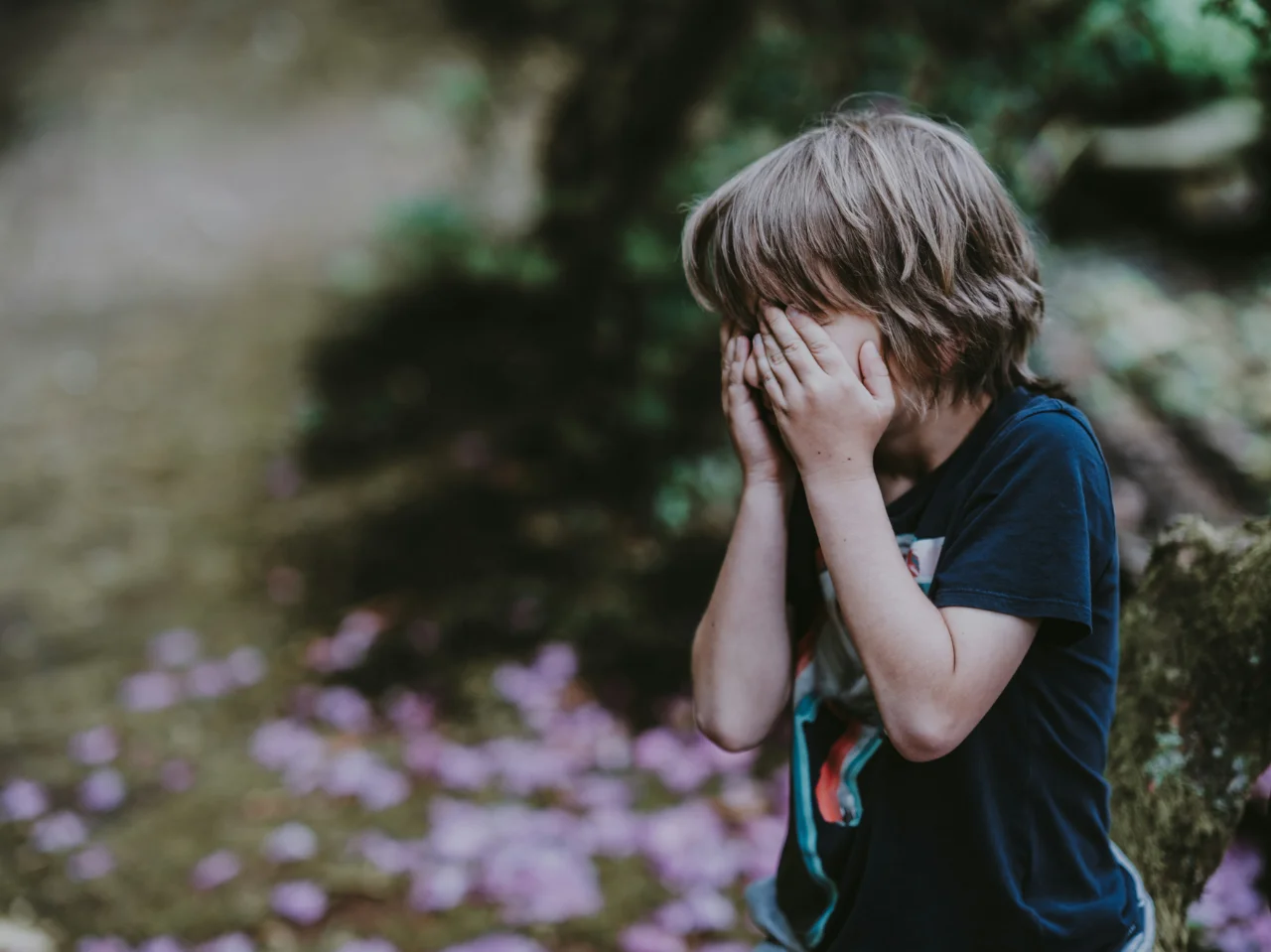
Characterizing selective mutism starts with patterns. Every child is different, but the signs and symptoms of selective mutism tend to follow a clear pattern: a child can speak in certain situations but not others. A child with selective mutism may:
- Speak freely at home but not at school: The most common sign is a consistent failure to speak with teachers or classmates.
- Freeze or appear expressionless: Many children look “stuck,” stiff, or blank when expected to talk.
- Rely on nonverbal communication: Nodding, pointing, gesturing, or whispering to a parent may replace speech.
- Avoid eye contact: Looking down or turning away can be a way to manage overwhelming anxiety.
- Struggle in new social situations: Birthday parties, doctor’s visits, and extended family gatherings may be especially hard.
- Show physical signs of anxiety: Stomach aches, clinginess, or tantrums before school are common.
A child with selective mutism may also avoid using the washroom at school or asking for help, which can affect learning and daily comfort.
What Causes Selective Mutism?

There’s no single cause. Most researchers use a multifactorial model of selective mutism, meaning several influences combine over time:
- Anxious temperament: Many children diagnosed with selective mutism are naturally cautious or inhibited from infancy.
- Family history: Anxiety disorders often run in families, suggesting a genetic link.
- Speech and language differences: A language disorder or communication disorder can make speaking feel riskier.
- Bilingual or newcomer experiences: Learning a new language can add pressure in unfamiliar environments.
- Environmental stress: Big changes, such as starting school or moving, can trigger or intensify symptoms.
Selective mutism may look different from one child to the next, and individuals with selective mutism often have more than one contributing factor. Understanding the development of selective mutism helps parents let go of guilt. It’s not caused by bad parenting, and it’s rarely linked to trauma.
Diagnostic Criteria: How Selective Mutism Is Diagnosed

A diagnosis of selective mutism is made by a qualified mental health professional, often with input from parents, teachers, and a speech-language pathologist. The diagnostic criteria for selective mutism in the Diagnostic and Statistical Manual include:
- Consistent failure to speak in specific social situations where speaking is expected, despite speaking elsewhere. This failure to speak in children must be persistent, not occasional.
- Interference with school, work, or social communication.
- Duration of at least one month, not limited to the first month of school.
- Not due to language comfort, meaning the child knows the language well enough.
- Not better explained by a communication disorder, autism spectrum disorder, or a psychotic disorder.
Selective Mutism vs. Autism Spectrum Disorder
Children with autism may have difficulty with communication across most settings, while someone with selective mutism typically speaks comfortably with trusted people. The two can co-occur, but autism spectrum disorder must be carefully ruled out or identified during assessment. Our autism counselling team understands these differences.
Selective Mutism in Bilingual Children
Quiet periods are normal for bilingual children learning a new language. A careful description of selective mutism in the assessment looks at whether the child is silent in both languages outside the home, which helps separate anxiety from normal language learning.
Treatment for Selective Mutism

The good news is that it’s possible to treat selective mutism successfully, especially when support starts early. Treatment options for selective mutism are tailored to the child’s age and needs. An effective treatment approach focuses on reducing anxiety and building confidence one small step at a time.
Behavioural Treatment and CBT
Behavioural treatment is the first-line option. Techniques like stimulus fading (gradually adding new people to a setting where the child already talks), shaping (rewarding small steps, from sounds to words), and gentle exposure help the child practise speaking without pressure. Play therapy often makes this process feel safe and fun for younger children.
Parent-Involved and Intensive Programs
Many interventions for selective mutism train parents to use specific language at home. Some clinics also offer intensive group treatment, such as summer programs that simulate a classroom. The Selective Mutism Anxiety Research and Treatment Center (SMart Center) in the U.S. is one well-known example of this model.
Medication
For older children or more severe cases, a doctor may consider medication alongside therapy. Medication is not a standalone treatment of SM, and the treatment of selective mutism works best when therapy leads.
Building a Treatment Team
The best outcomes come from a coordinated treatment team: parents, teachers, a therapist, and sometimes a speech-language pathologist. Together, they create a consistent treatment plan across home and school.
How Parents Can Support a Child With Selective Mutism

Living with selective mutism can be stressful for the whole family. These strategies can help:
- Take the pressure off: Avoid demanding speech or saying “use your words” in public.
- Offer choices: Ask “Would you like apple or banana?” instead of open-ended questions.
- Praise brave talking: Notice small steps without making a big fuss.
- Allow warm-up time: Arrive early to new places so your child can settle in.
- Partner with the school: Share strategies with teachers so support stays consistent.
- Get parent support: Parent counselling can help you respond calmly and confidently.
Research into the treatment of children with selective mutism, including work from selective mutism anxiety research programs, continues to grow. The Selective Mutism Association also offers helpful resources for families and educators.
Final Thoughts
Selective mutism is not stubbornness or rudeness. It’s a real anxiety disorder that makes speaking feel impossible in certain moments. With early diagnosis and treatment, understanding adults, and small, steady steps, children can learn to speak comfortably in more places.
If your child’s silence is affecting school, friendships, or family life, reaching out for child counselling is a caring and proactive choice.
Frequently Asked Questions
Is selective mutism the same as shyness?
No. Shyness and selective mutism may look similar, but they differ in important ways.
Duration: Shy children usually warm up; children with selective mutism stay silent for weeks or months.
Intensity: Selective mutism involves a freeze response, not mild hesitation.
Impact: It interferes with learning and friendships.
Consistency: The silence happens predictably in the same settings.
At what age does selective mutism usually start?
Selective mutism often begins in early childhood.
Typical Onset: Symptoms usually appear before age five.
Diagnosis Timing: Many children are identified after starting school.
Early Signs: Extreme wariness with strangers can appear in the toddler years.
Early Help Matters: Treatment tends to work faster when started early.
Can children outgrow selective mutism?
Some children improve over time, but waiting isn’t recommended.
Anxiety Can Grow: Untreated, silence can become a deeply rooted habit.
Risk of Social Anxiety: Symptoms may shift into social anxiety later.
Treatment Works: Behavioural approaches have strong research support, and other treatment options can be added if needed.
Confidence Builds: Each success makes the next step easier.
How can teachers help a child with selective mutism?
Teachers play a key role in the child’s progress.
Reduce Pressure: Avoid calling on the child unexpectedly.
Allow Alternatives: Accept gestures, writing, or pointing at first.
Build Rapport: One-on-one time helps the child feel safe.
Coordinate: Follow the treatment plan shared by the family and therapist.