
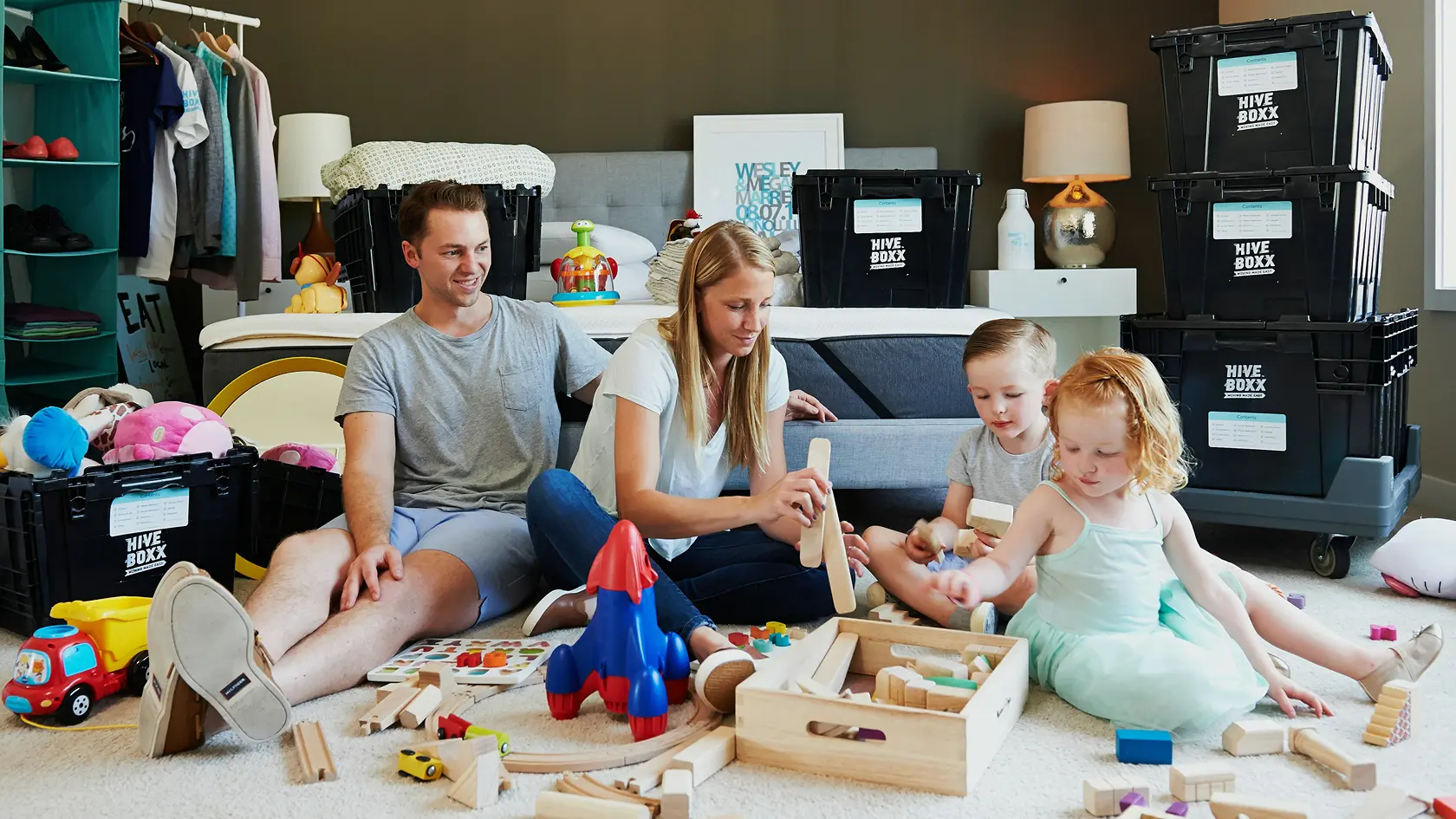
How to Cope with Moving with Kids: Tips to Help with the Stress of Moving
Is your family gearing up for a big move, and you’re already feeling the weight of it all? Relocating is a significant life event — exciting in many ways, but let’s be real: moving is stressful, especially when you have children. Between packing and organizing, coordinating with a moving company, and trying to keep everyone’s emotions in check, it’s easy to feel stretched thin.
But with a solid plan in place, you can make the moving process smoother for the whole family. Whether you’re moving to a new home across town or thousands of miles away, the tips in this guide are designed to help you cope and come out on the other side feeling settled and supported.
 You’ll talk with Devika Rogersour Matching Specialist
Start with a free 20-minute matching consultation.
Open now — a Matching Specialist can take your call
Phone line closed — leave a message and expect our call the next business day morning
Help us find your match. Our Matching Specialist will be in touch.
Help us find your match. We’ll contact you the next business day.
View profiles & book online
Understanding the Stress of Moving

Moving brings a particular type of chaos that goes beyond boxes and packing tape. It disrupts everything in a person’s life, and for children, this often has an emotional toll.
- Disrupts routines and stability: Children like to know what is going to happen next, and having to start again by moving to a new place upsets them, leaving them feeling insecure and unable to cope.
- Triggers anxiety: The stress and anxiety surrounding a move are real and valid. Kids often can’t articulate what they’re feeling, so the tension tends to come out in other ways — clinginess, tantrums, or sudden mood swings.
- Loss of friendships and familiar places: Leaving behind close friends and family, a favourite park, or a beloved school can feel like losing a piece of themselves. That old place holds memories, and saying goodbye to it is genuinely hard.
- Emotional and physical exhaustion: Between deciding what to keep, managing logistics, and emotionally processing such a huge life change, both parents and children are likely to experience burnout before the move even happens.
- Uncertainty: Not knowing what the new environment will look like — the school, the neighbours, the neighbourhood — feeds anxiety. Kids are especially sensitive to the unknown, and uncertainty can quickly spiral into fear.
How to Cope With the Stress of Moving With Kids
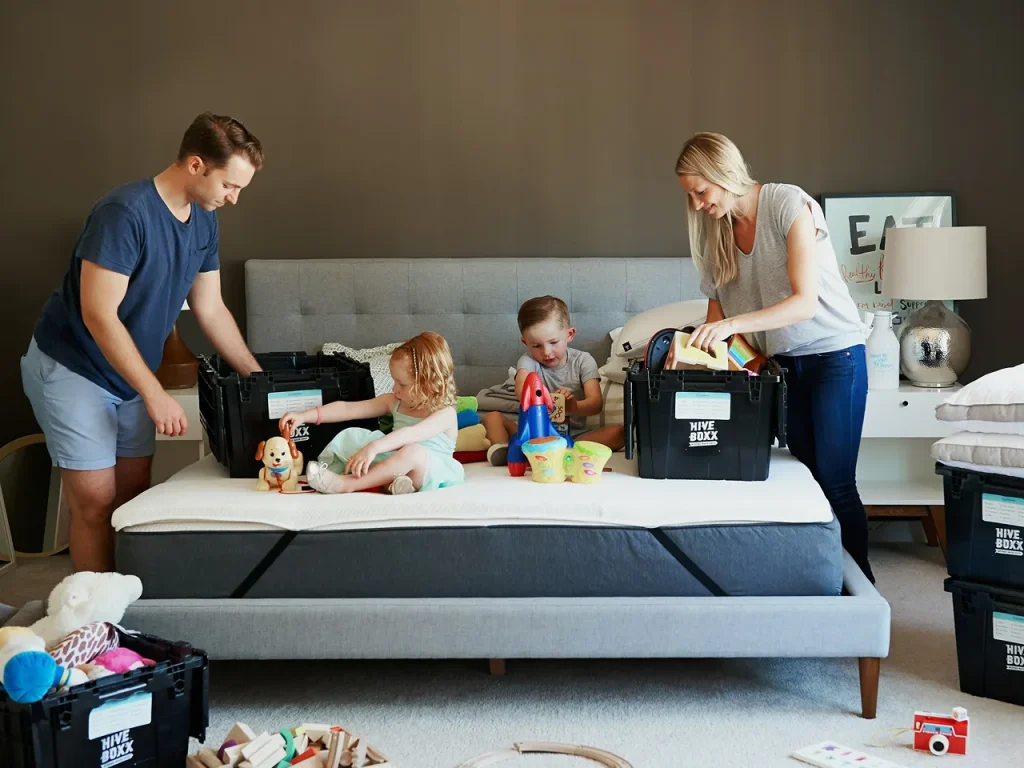
The best ways to manage moving stress involve keeping your kids informed, heard, and as involved as possible. Here are practical tips for coping when you’re moving with children.
Involve kids in planning
Let them help you make a list of what to take with you, decide on the colours for the new bedroom, or even choose where to eat in your new city. Involving them gives children a stake in the matter, rather than making them passive spectators to your preparations.
Maintain daily routines
Make sure to maintain a consistent weekday and weekend schedule and stick to regular mealtimes, bedtimes, and other routines. These can be effective coping mechanisms because they provide some continuity in the midst of change.
Acknowledge their feelings openly
If you’re feeling overwhelmed, your children are most likely feeling the same way. Set time aside for them to help you work through processing your emotions. Let your child know that feelings of sadness or being worried are okay by responding to them empathetically.
Set realistic expectations
Be honest with your kids: know it’s going to take time to settle into a new rhythm, and that’s completely okay. Let them know that it’s going to take a little while to feel at home — and that’s part of making a change, not a sign something went wrong.
Create a moving countdown
A visual calendar or bullet journal countdown can help kids feel a sense of control. Marking off days makes the abstract feel concrete and can even get them excited about your move.
Stay calm and positive
Kids take emotional cues from their parents. Even when you’re experiencing a rough day, try to find and celebrate small moments of joy — a funny moving mishap, a new discovery about your destination, or a spontaneous dance break while you pack the boxes.
Helping Children Adjust to a New Home and School

Once you arrive, the work of starting a new chapter truly begins. Making new connections and building comfort in a new space takes time, but there are ways to make that transition gentler.
- Make new memories by exploring the surroundings: Taking a walk, finding the nearest park or getting some coffee at a local café. Having fun in the new place as a family is the best way to meet the unfamiliar.
- Visit the school beforehand: If possible, arrange a tour of the new school before the first day. Finding a new school routine is far less scary when your child already knows where the bathroom is and has met a teacher.
- Suggest joining clubs or activities such as sports teams and art classes: This is a great way to meet new kids with similar interests. It can also help create friendships that feel more natural.
- Decorate their new room early: Letting kids unpack and arrange their own space — even before the rest of the house is sorted — helps the new environment start to feel like home faster.
- Keep in touch with old friends: Technology makes it easier than ever to stay connected. Regular video calls with friends or family back home give kids a lifeline to their past while they build their future.
- Establish new family traditions to fill your time in the new house: You could go to the Saturday morning farmer’s market, or play a family game each week in the new living room. Family rituals create a sense of familiarity and help the new home feel rooted.
No waitlists. In-person in Barrie, Orillia, Newmarket, or online across Ontario.
Open now — a Matching Specialist can take your call
Phone line closed — leave a message and expect our call the next business day morning
Help us find your match. Our Matching Specialist will be in touch.
Help us find your match. We’ll contact you the next business day.
View profiles & book online
Tips to Help Minimize Stress on Moving Day

Moving day itself can be the most chaotic part of the entire moving process. A little preparation goes a long way toward making it a manageable — even memorable — experience.
Arrange childcare for young kids
If at all possible, have a member of the family nearby or a babysitter with the children during the most trying time of the moving day. Having little ones around while a big move is going on can turn a challenging day into a stressful experience.
Pack an essentials bag per person
Each family member should have a bag with their must-haves — a change of clothes, a favourite toy or book, chargers, and snacks. This helpful habit means you won’t be digging through labelled boxes at midnight.
Keep snacks and water accessible
It sounds simple, but getting enough sleep and staying hydrated and fed are both essential for self-care on the road. Hunger and fatigue are the fastest routes to meltdowns — for kids and adults alike.
Label boxes by room
Make sure each box is labelled for the corresponding room. This makes emptying them much easier and allows you to know what room things are in without having to ask everyone in the family a hundred questions.
Stick to a flexible schedule
Use a moving checklist to track the day’s tasks, but build in buffer time. Rigid timelines create unnecessary pressure — a flexible but structured approach leads to a much smoother transition.
Assign age-appropriate tasks
Have older kids carry the light boxes, tell them what to do or keep their little brothers and sisters busy. Involvement helps make the process feel collaborative.
When to Seek Professional Help

Most people cope better with a move once they’ve had some time to adjust — typically a few weeks to a few months. But sometimes, moving to a different city or school is harder to process than expected. Watch for these signs that you or your child might benefit from speaking to a mental health professional.
- Prolonged sadness or social withdrawal: It is normal for children to feel sad or withdrawn for some time after leaving the old one behind. But if they continue to be excessively sad or detached for weeks after the move, you may need to seek help from a therapist.
- Declining school performance: Dropping grades or a sudden loss of enthusiasm in school can happen after a move. If it persists beyond a short period of adjustment, it can be a sign that your child may benefit from additional support at school or counselling.
- Sleep disturbances: Nightmares, difficulty falling asleep, or frequent waking can all be signs of unprocessed stress and anxiety. Getting enough sleep is critical for emotional regulation — persistent sleep issues shouldn’t be ignored.
- Aggressive or regressive behaviour. Acting out, hitting, or reverting to younger behaviours (like bedwetting) are ways children externalize distress they can’t verbalize. These behaviours are a signal to reach out for help sooner rather than later.
- Signs of anxiety or depression: If you or your child is experiencing physical symptoms like stomachaches without a medical cause, refusing to go to school, or expressing hopelessness, consider asking for help by seeing a therapist.
Final Thoughts
Moving can be difficult, but it can also open the door for many new and exciting things for your family. Encourage your family to take a moment and relax their efforts to adjust to their new environment and enjoy the success of the move. Taking a day to relax, listening to music and visiting your new area will help you feel more comfortable in your new home.
Lean on close friends and family when you need extra support, and give your children space to express their feelings. With patience, preparation, and connection, the next move your family makes may become the beginning of something truly meaningful.
Frequently Asked Questions
What are the best ways to cope with moving stress when you have kids?
There are several effective ways to cope that keep the whole family grounded during this challenging time.
Involve Kids in Decisions: Let children help make lists of what to bring or choose their new room colours — having a role in the process makes them feel valued rather than powerless.
Stick to Daily Routines: Consistent mealtimes and bedtimes act as an anchor, offering familiarity even when everything around them is changing.
Acknowledge Emotions Openly: Create space for your children to express their worries and validate their feelings with empathy rather than dismissal.
Use a Visual Countdown: A moving calendar helps children feel in control by making abstract timelines feel concrete and even exciting.
Stay Calm as a Parent: Kids mirror their parents’ emotions, so finding small moments of joy — even during chaotic packing days — sets a healthier tone for the whole family.
How does relocation affect children emotionally, and what should parents watch for?
Relocation can stir up complex emotions in children that aren’t always easy to recognize or name.
Routine Disruption Triggers Anxiety: When predictable daily structures vanish, even simple tasks can feel overwhelming, and the stress associated with moving often surfaces as behavioural changes.
Grief Over Lost Friendships: Saying goodbye to close friends, a favourite school, or a beloved neighbourhood park can genuinely feel like losing a piece of themselves.
Physical and Emotional Burnout: The exhaustion of processing a major life change — before the move even happens — can drain both parents and children significantly.
Uncertainty Feeds Fear: Not knowing what the new school or neighbourhood will look like can cause anxiety to spiral quickly, especially in younger kids.
Behavioural Red Flags: Aggression, regression, or prolonged withdrawal after the move are signs that a child may need additional emotional support from a professional.
What tips can help with finding a new place to settle your family comfortably?
Finding a new place to truly feel like home takes intentional effort, but small steps make a big difference.
Explore Together as a Family: Walking the new neighbourhood, visiting local parks, and grabbing a treat at a nearby café turns unfamiliar surroundings into shared, exciting discoveries.
Let Kids Personalize Their Space: Allowing children to unpack and decorate their room early helps the new environment feel like theirs — and that sense of ownership helps them settle faster.
Visit the School Beforehand: A pre-first-day tour of the new school makes the transition far less intimidating when your child already recognizes familiar faces and places.
Encourage Clubs and Activities: Structured settings like sports teams or art classes make it easier for kids to form friendships naturally with peers who share their interests.
Establish New Family Traditions: Weekly rituals — like a Saturday market visit or family game night — create a sense of rootedness and help the new house begin to feel like home.
How can parents support your mental health and their children’s well-being during a move?
It’s essential to support your mental health alongside your children’s throughout the moving process.
Give Yourself Time to Adjust: Know that you’re not expected to feel settled immediately — adjusting to a new environment typically takes weeks to months, and that’s completely normal.
Stay Hydrated and Rested: Getting enough sleep and keeping everyone fed on moving day is a form of self-care that directly impacts emotional stability for both adults and children.
Lean on Your Support Network: Trusted friends and family members can be a huge help during high-pressure moments, whether that’s watching the kids or simply lending a listening ear.
Watch for Prolonged Symptoms: Persistent sadness, sleep disturbances, or declining school performance are signs that professional mental health support may be needed.
Normalize Seeking Help: If physical symptoms like stomachaches appear without medical cause or hopelessness sets in, reaching out to a therapist is a proactive and healthy step.
What are practical ways to move on moving day without making it feel overwhelming?
A few smart strategies can help lessen the chaos of moving day and keep the family feeling focused and calm.
Pack an Essentials Bag: Each family member should have a personal bag with must-haves — clothes, a favourite item, and snacks — so no one is digging through boxes at the end of a long day.
Make Lists and Label Everything: Clearly labelling boxes by destination room helps people find what they need quickly and dramatically speeds up the unpacking process.
Arrange Childcare for Little Ones: Having a trusted caregiver handle young children during the busiest hours can really stress-proof your day and prevent unnecessary escalation.
Build in Flexible Buffer Time: A new routine on moving day works best when the schedule has wiggle room — rigid timelines create pressure that makes an easier transition much harder to achieve.
Assign Kids Meaningful Tasks: Giving older children age-appropriate responsibilities — like directing movers or keeping younger siblings entertained — helps life feel collaborative rather than chaotic.
Take the next step in whichever way suits you best.
Open now — a Matching Specialist can take your call
Phone line closed — leave a message and expect our call the next business day morning
Help us find your match. Our Matching Specialist will be in touch.
Help us find your match. We’ll contact you the next business day.
View profiles & book online