prolonged exposure therapy

Prolonged Exposure Therapy for PTSD: Effective PE Therapies and Treatment for Trauma Recovery

If this sounds familiar, prolonged exposure (PE) for posttraumatic stress can provide effective treatment. PE is a manualized exposure-based therapy guided by a trained prolonged exposure therapist that helps trauma survivors confront trauma memories through imaginal exposure and in vivo exposure. Studies, including work by Rauch and Hembree, have shown that PE significantly reduces the symptoms of PTSD, including chronic PTSD and co-occurring PTSD and substance abuse.

Invest in Your Mental Health!

Prolonged Exposure for PTSD Recovery and Healing

Living with chronic PTSD can feel like carrying a weight that never goes away. Traumatic stress, anxiety, and avoidance can make everyday life exhausting. Prolonged Exposure for PTSD is a proven therapy for the treatment of PTSD that helps patients gradually face what they’ve been avoiding. PE involves the processing of the trauma memory and repeated exposure to difficult situations, guided by emotional processing theory. Studies have shown that PE leads to meaningful treatment outcomes for PTSD severity.

Using PE, patients learn to process traumatic events and reduce trauma-induced reactions safely, step by step. Standard PE, including exposure therapy for posttraumatic stress and EMDR as additional support, can meet the needs of varied trauma survivors. Whether in a PE group or individual sessions, therapy for the treatment helps female veterans and other trauma survivors understand and manage common reactions to trauma. Over time, patients notice reduced avoidance, lower PTSD severity, and more confidence in facing life’s challenges. With PE, healing becomes something they can actually feel and live.

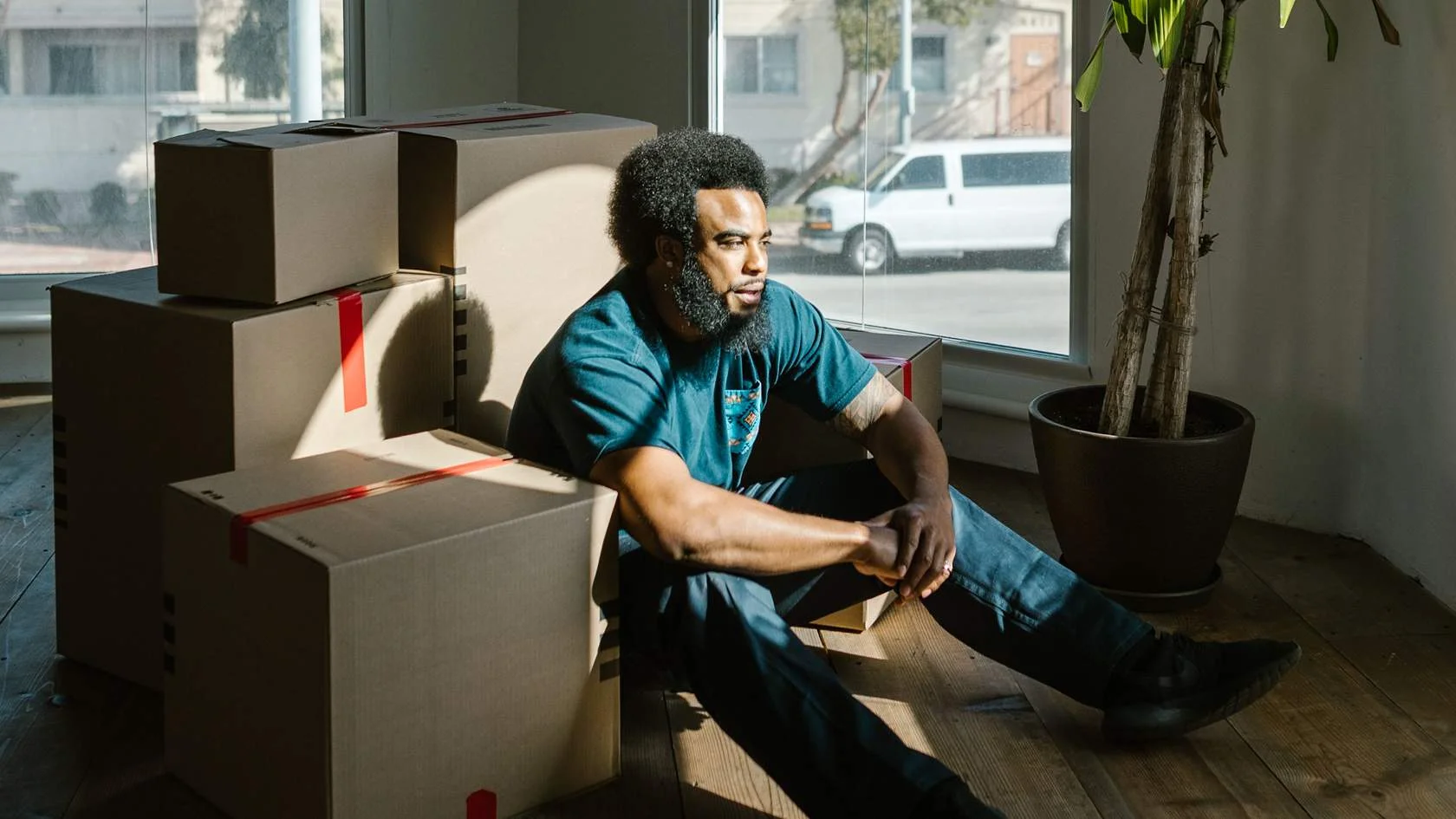
Bruce, a young adult, had been living in fear after a serious car accident. He struggled with flashbacks, panic attacks, and constantly avoided driving or even thinking about the accident. Like many patients with chronic PTSD, he felt trapped by his fear, worried he might never recover. Daily life felt heavy, and even simple tasks seemed impossible.

He learned about prolonged exposure for posttraumatic stress at a center for the treatment of trauma, and it gave him hope. Bruce decided to try a trial of prolonged exposure, understanding that avoidance was keeping his fear alive.

With his therapist, he started PE treatment step by step. First, he would talk through the accident in detail, and later, he gradually faced situations he had been avoiding. This exposure therapy for post-traumatic stress wasn’t easy—there were moments of fear—but he also learned ways to manage his anxiety. Slowly, he noticed the efficacy of PE, as the memories that once felt unbearable became less powerful.

Over time, Bruce regained control. He could drive again, handle stressful situations, and enjoy life more fully. Through interventions for PTSD, including prolonged exposure therapy, he learned to live without being ruled by fear. His journey reflects what research shows in pilot studies of prolonged exposure and the broader treatment and study of anxiety—that facing trauma in a safe, structured way can help treat PTSD as well.

individual counselling

Free 20-minute Consultation 

Find the Right Counsellor for You 
Our Matching Consultant understands the importance of finding the right combination of personality and therapeutic technique to meet your specific needs. They will listen, guide you through your options, and help match you with the ideal counsellor. This session is your opportunity to ask questions and ensure a customized care path that’s tailored for you. 

Healing and Guidance Through Prolonged Exposure Therapy

Living with trauma can feel like carrying a heavy weight you can’t set down, with memories and triggers popping up unexpectedly. Prolonged Exposure Therapy helps you gently face these experiences, so you can start feeling more in control and at ease in your daily life.

prolonged exposure therapy
1

Intake Phase

Your first session is about being truly heard without judgment. You’ll share your story, your symptoms, and your hopes, while your therapist helps create a safe plan tailored just for you.

2

Discovery Phase

This phase helps you understand how trauma shapes your thoughts, emotions, and daily habits. Your therapist will introduce exposure for posttraumatic stress disorder in a way that feels manageable, so you can feel prepared for the work ahead.

3

Working Phase

Here, you’ll slowly face memories or situations you’ve been avoiding, step by step, with your therapist guiding you. It can feel uncomfortable at first, but over time, repeated exposure reduces fear and helps you regain confidence in handling life.

4

Check-In Phase

Regular check-ins let you reflect on your progress and celebrate small victories along the way. Your therapist can also adjust strategies and provide extra support whenever you feel stuck or overwhelmed.

5

Follow-Up Phase

Even after therapy ends, follow-ups help you keep building resilience and managing future challenges. For anyone seeking PTSD treatment, this phase is about reclaiming your confidence, feeling safer, and moving forward with life beyond trauma.

Frequently Asked Questions

Using PE is like learning to walk through a room that once felt dangerous, one step at a time.

Education and preparation: You’ll learn why avoiding memories keeps fear alive and how PE works to ease it.

Repeated exposure: With your therapist’s guidance, you gradually revisit memories or situations that were once too painful.

Processing reactions: After each step, you reflect on what you felt and why, helping your mind make sense of it all.

Skill-building: PE gives you tools to stay grounded and calm during triggers.

Monitoring progress: Your therapist ensures you’re safe, supported, and moving at your own pace.

Long-term integration: Over time, facing these experiences becomes less scary, and you regain control over your life.

Sometimes it can feel like your memories or feelings are running your life, and you’re not sure why. Seeing a therapist gives you a safe space to explore these emotions and understand what’s happening inside.

Recognizing trauma signs: A therapist can help you notice patterns like nightmares, flashbacks, or anxiety that might be connected to past trauma.

Understanding your reactions: You’ll learn that your reactions are normal responses to extraordinary experiences, and you’re not alone in feeling this way.

Professional guidance: Your therapist walks with you through difficult feelings, offering support without judgment.

Developing coping strategies: You’ll discover tools to handle moments of stress, fear, or avoidance in your daily life.

Planning for recovery: Together, you can create a plan to slowly reclaim your sense of safety and confidence.

PTSD treatment sessions give you a structured, supportive environment to face memories that feel too heavy to carry alone.

Creating a safe environment: Your therapist ensures the space feels secure, so you can share without fear.

Structured exposure work: You may be guided to revisit memories or situations gently, reducing fear step by step.

Processing experiences: Reflecting on your thoughts and feelings helps you make sense of your reactions.

Developing coping tools: You’ll learn practical ways to manage anxiety, flashbacks, or triggers outside of sessions.

Tracking progress: Regular check-ins let you notice growth and adjust techniques as needed.

Healing doesn’t follow a strict timeline, and that’s okay—everyone’s journey is different.

Individual differences: Some notice improvements in a few weeks, while others take several months to feel real relief.

Session frequency: Weekly or biweekly sessions give you time to practice coping skills in between.

Gradual exposure: Progress happens step by step, as repeated exposure makes memories less overwhelming.

Continuous monitoring: Your therapist keeps an eye on your comfort level and adjusts the pace when needed.

Long-term benefits: Over time, many people feel stronger, calmer, and more in control of their lives.

Facing trauma can feel intense at times, and that’s a normal part of healing.

Temporary discomfort: You might feel anxious, sad, or tense during sessions as you confront difficult memories.

Need for support: A therapist is there to guide you, making sure emotions don’t become overwhelming.

Emotional growth: While challenging at first, this process usually reduces distress over time and builds strength.

Individual differences: Everyone moves at their own pace, and therapy adjusts to your comfort level.

Safety and monitoring: With guidance and coping strategies, you can safely work through trauma and feel empowered.

Invest in Your Mental Health!