

RSW Meaning: Understanding the Social Work Designation in Ontario, Including MSW, RP, and RCSW
What does it actually mean when someone says they’re a registered social worker in Ontario? A lot of people, when they hear “social worker,” “therapist,” or “counsellor”, assume they’re all the same. But an RSW is a registered social worker who’s officially regulated by the Ontario College of Social Workers and Social Service Workers (OCSWSSW).
That basically means they’ve received the appropriate education and training and completed their registration with a provincial regulatory body. Social workers are trained to support mental health and wellness, and many of them can provide psychotherapy too. They also have to follow strict standards of practice and a code of ethics, so there’s accountability in how they work.
Knowing this makes a big difference when you’re trying to find the right provider, especially if you’re checking extended health benefits or dealing with insurance. It gives you a bit more confidence that the person you’re talking to is qualified and legit. Read on to better understand what an RSW really means and why it matters.
 You’ll talk with Devika Rogersour Matching Specialist
Start with a free 20-minute matching consultation.
Open now — a Matching Specialist can take your call
Phone line closed — leave a message and expect our call the next business day morning
Help us find your match. Our Matching Specialist will be in touch.
Help us find your match. We’ll contact you the next business day.
View profiles & book online
What Is the Meaning of RSW?

When people say RSW, they’re really talking about a professional designation in social work that signals someone has gone through the proper education, training, and registration process in their province. It’s one of those terms you might hear in passing, but once you’ve actually looked for support yourself, it suddenly matters a lot more than you’d think.
What “RSW” Really Means
An RSW is basically a social work practitioner who’s been formally recognized through a regulatory system, which means they did not just start offering services on their own. They often come from a bachelor’s or master’s degree in social work, then go through supervision and registration before they are licensed and allowed to practice under a defined scope.
- Professional designation: A regulated title that shows the person is officially recognized in social work.
- Education pathway: They usually hold a Bachelor of Social Work (BSW) or a master’s degree in social work (Master of Social Work or MSW), plus training and supervised experience.
- Regulated practice: Their work is guided by standards of practice, ethical guidelines and requirements set by a college in the province.
- What they may offer: Consultation, wellness support, family therapy, and, in some cases, psychotherapy within their scope.
- System of accountability: There’s a formal complaints process and ongoing registration status checks and verifications to keep things in line.
- Work context: They may coordinate with other professionals or clinicians, like psychologists or psychiatrists, when needed.
It’s really just a way of knowing the person you’re talking to is properly trained, regulated, and accountable; not just someone offering help, but someone who’s actually part of a structured system of care.
How Is a Registered Social Worker (RSW) Regulated in Social Work?

If you’ve ever tried looking for support and got lost in all the titles, you’re not alone. RSWs are part of a regulated system in Canada, and their work is guided by a clear credential that sets limits, responsibilities, and standards for how they can help people.
Credential and Regulatory Oversight
An RSW is someone who holds a formal credential and is recognized through a regulated system, which honestly gives a bit of peace of mind when you’re choosing someone to talk to. They are listed and monitored through official channels so their work stays within a defined scope of practice.
- Credential system: It confirms RSWs are officially recognized professionals in social work.
- Scope of practice: Sets clear limits on what kind of support they can provide.
- Regulated status: Managed through a college’s registration system and oversight.
- Directory access: You can often verify them through the listing of the association of social workers.
Practice Limits and Clinical Boundaries
Something people don’t always realize is that even though RSWs can be very helpful in therapy, there are still clear boundaries around what they can and cannot do. It’s more about support and psychotherapy within their role, not medical treatment.
- Practice psychotherapy: They may offer talk-based therapy depending on training and role.
- Cannot prescribe medication: That part is strictly for medical professionals.
- Cannot diagnose: Diagnosis is handled by other regulated practitioners.
- Team support: They may work alongside a registered psychotherapist or psychiatrist when needed.
Therapeutic Approaches and Methods
Depending on their background, RSWs might use different methods in sessions, and it can feel very tailored to what you’re going through. It’s not one fixed method, but more like choosing tools that fit the situation.
- Range of therapeutic methods: Can include somatic approaches or EMDR-informed techniques.
- Behaviour focus: Helps with understanding patterns and emotional responses.
- Family systems work: Looks at how relationships and family dynamics affect well-being.
- Flexible approach: Adjusts based on what the person needs at the moment.
Professional Standards and Accountability
One thing that stood out to me when learning about this is how structured the accountability is. RSWs are expected to follow strict ethical rules, and there’s a system in place if anything ever feels off.
- Adhere to code of ethics: They must follow professional and ethical guidelines.
- College’s oversight: Their work is monitored through a regulatory body.
- Complaints process: If you ever have a concern, there’s a formal way to raise it.
- Provisional registration: Some may still be under supervised status while gaining experience and developing skills.
Insurance and Professional Recognition
This aspect is more important than it seems, especially for cost and coverage. Many insurance plans cover social workers, making services more affordable and easier to access.
- Insurance providers: Many extended health plans cover their services.
- Insurer rules: Coverage depends on the specific policy and eligibility.
- Canadian association recognition: Supported through professional associations.
- Wider acceptance: The credential is widely recognized across Canada.
What Do Social Workers Practice and Can They Practice Psychotherapy?

A social worker’s job is more diverse than most people expect. Some focus on everyday support, while others take on more clinical roles depending on their training and experience.
Everyday Support and Client Care
At the core, social workers are there to help people get through life when things feel overwhelming or messy. It can be emotional support, practical guidance, or just helping someone feel a bit steadier again.
- Emotional support: Helping people deal with stress, grief, or big life changes.
- Practical guidance: Helping sort out options, decisions, and next steps.
- Wellbeing focus: Supporting mental and emotional balance in daily life.
- Flexible work: Work may shift depending on what each person is going through.
Psychotherapy and Clinical Roles
This is where things get a bit more specific. Some social workers do provide psychotherapy, especially those with more clinical training, like a registered clinical social worker, depending on their education and role.
- Registered clinical social worker: May have more focused training for therapy work.
- Psychotherapy role: Some offer structured talk therapy sessions.
- Training background: Usually includes a diploma or higher education in social work.
- Scope of practice: What they can do depends on their role and registration.
Training and Professional Frameworks
There are national standards that guide how social workers are trained in their work. It’s not random; there’s a clear, structured system behind it.
- CASW guidance: Helps set national direction for social work practice.
- Ongoing learning: Training continues even after qualification.
- Professional growth: Knowledge and skills are built over time through experience and supervision.
- Practice development: Work may evolve as roles and training expand.
Therapy Approaches Used in Practice
When psychotherapy is part of what they do, social workers may use different methods depending on what fits the person best. It’s not one fixed method, more like adapting tools to real situations.
- EMDR-informed methods: Sometimes used when working with trauma.
- Talk therapy: Focuses on conversations to understand thoughts and feelings.
- Behaviour and relationships: Looks at patterns in how people respond and connect.
- Personalized approach: Work may be adjusted based on each individual.
Regulatory and Professional Links
Something people often don’t realize is that different roles can connect to different regulatory systems, especially when therapy is involved. It helps keep things structured and safe for clients.
- College of Registered Psychotherapists: Supervises psychotherapy practice in Ontario.
- Registered Psychotherapists of Ontario: Sets guidelines and standards for therapists in that field.
- Role overlap: Some professionals may sit close to both systems, depending on registration.
- Accountability structure: Ensures ethical and safe practice across roles.
No waitlists. In-person in Barrie, Orillia, Newmarket, or online across Ontario.
Open now — a Matching Specialist can take your call
Phone line closed — leave a message and expect our call the next business day morning
Help us find your match. Our Matching Specialist will be in touch.
Help us find your match. We’ll contact you the next business day.
View profiles & book online
What is the Difference Between an RSW, MSW, RCSW, and a psychotherapist?

If you’ve ever tried looking for help and got confused by all these titles, you’re definitely not alone. They sound similar, but they actually point to different levels of training and the kind of support someone can offer.
RSW (Registered Social Worker)
An RSW is basically someone trained in social work who is officially registered to help people with both emotional and everyday life challenges. You’ll often find they’re the kind of person who helps you feel grounded while also helping you figure things out practically.
- Training: Usually has a university degree in social work.
- Registration: Officially approved to practice and support clients.
- What they do: A mix of emotional support, counselling, and real-life guidance.
- Where they work: Hospitals, schools, community centres, or private practice.
- Style of support: Often very practical but still very human and understanding.
MSW (Master of Social Work)
This one is more about education. It’s an advanced university degree that someone earns to go deeper into social work and open more specialized paths.
- Education level: Master’s degree in social work.
- Deeper training: More focus on advanced counselling and assessment skills.
- Career growth: Often leads to more specialized or senior roles.
- Stronger foundation: Helps prepare for more complex client situations.
- Professional development: Builds toward more focused or clinical work.
RCSW (Registered Clinical Social Worker)
This is more of a clinical-focused role. People in this category usually have more experience working with deeper mental health concerns.
- More clinical experience: Works more directly with mental health challenges.
- Advanced practice: Usually comes after years of supervised work.
- Therapy-focused work: More structured counselling and treatment planning.
- Complex support: Often works with ongoing or more complicated situations.
- Stronger specialization: A deeper level of practice within social work.
Psychotherapist
A psychotherapist is someone who focuses mainly on therapy itself, helping people talk through and work on emotional and psychological struggles in a more structured way.
- Main focus: Talk therapy and emotional support.
- Training: Special education in psychotherapy and supervised practice.
- What they help with: Thoughts, emotions, behaviour patterns, and coping.
- Regulated role: Must follow strict professional guidelines and standards.
- Session style: Usually ongoing conversations that build over time.
How to Choose the Right Social Worker, Therapist, or Provider in Ontario?
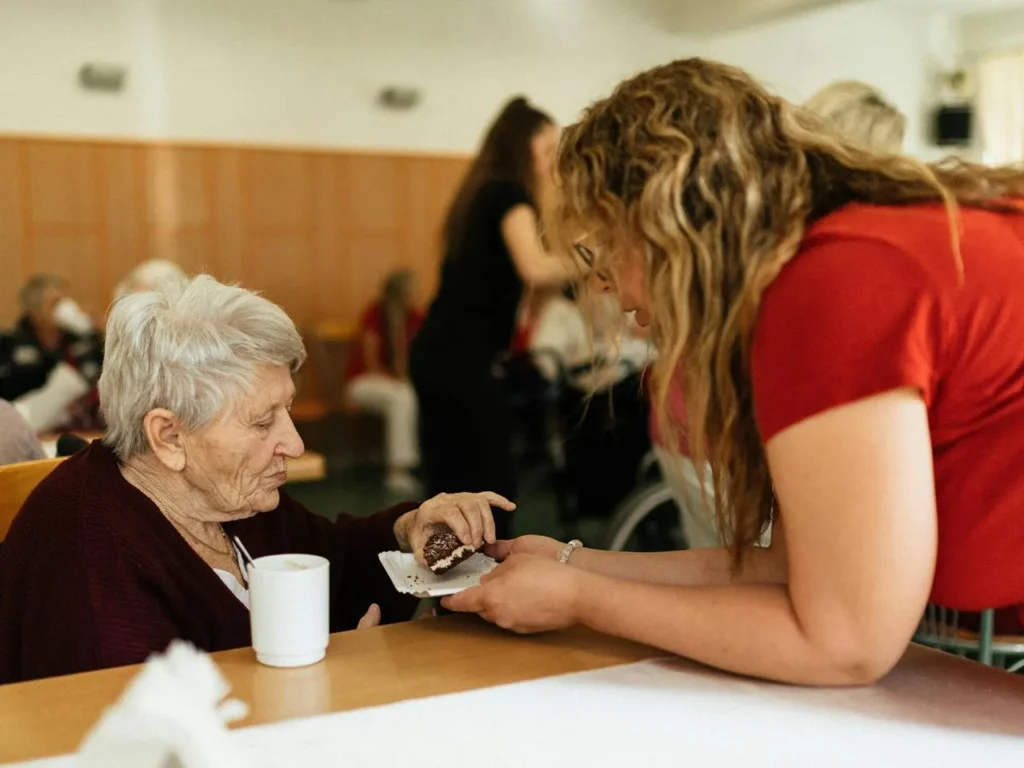
Picking someone to talk to about your mental health can feel a bit overwhelming at first. There are so many options, and it’s not always obvious who is the right fit, so it’s okay to take your time with it.
Check Training and Background
I always think it helps to know a bit about someone’s background first, just so you feel more at ease before opening up to them.
- Education and training: See what kind of studies or training they’ve done.
- Experience: How long they’ve been working with people.
- Focus areas: Some are better with stress, trauma, family issues, or general support.
- Ongoing learning: Many keep updating their skills over time.
Understand What They Can Actually Do
Not everyone offers the same kind of support, and that’s something a lot of people only realize later on.
- Type of support: Some focus on counselling, others on deeper therapy work.
- Limits of their role: Not everyone can do assessments or give formal conclusions.
- Different approaches: Each person may work in a slightly different way.
- Working with others: Sometimes they refer or collaborate if needed.
Pay Attention to How You Feel With Them
This part is honestly just as important as credentials. I’ve seen people who are very qualified, but the connection just didn’t feel right.
- Comfort level: Do you feel relaxed talking to them?
- Feeling heard: It matters if you feel understood and not rushed.
- Style: Some are more structured, others feel more casual and open.
- Personal fit: It’s okay if the first person isn’t the right one.
Think About Practical Stuff Too
Real-life factors like cost and availability can also make a big difference in who you end up choosing.
- Cost and coverage: Check if insurance helps cover it.
- Scheduling: See how easy it is to book sessions.
- Availability: Some have long wait times, others don’t.
- Online or in-person: Pick whatever feels more comfortable for you.
Give Yourself Permission to Take It Slow
There’s no pressure to get it perfect right away. It’s completely normal to try, pause, and adjust until something feels right.
- Take your time: You don’t need to decide right away.
- Ask questions: It’s okay to ask and clarify things before starting.
- Try it out: One session can already tell you a lot.
- Switch if needed: You’re allowed to change if it doesn’t feel right.
Final Thoughts
RSW is basically just a way of saying someone is properly trained and allowed to support people with mental health and life struggles in Ontario. It can sound a bit technical at first, especially if you just see the letters without any context.
But really, it means they’ve gone through the right education, training, and official approval before they can work with people. They also have to follow clear rules in how they do their job, which helps keep things safe and professional.
The other titles you might hear are just extra details about specialization, but the main thing is still the RSW role. At the end of the day, it’s about knowing you’re talking to someone qualified who’s there to genuinely help.
Frequently Asked Questions
What happens if an RSW violates professional rules in Ontario?
If someone in this role doesn’t follow the rules, it’s taken very seriously because there’s a system in place to protect people. Complaints get reviewed properly, and there’s a fair process to look into what happened.
Investigation process: A complaint is looked into to understand the situation clearly.
Possible outcomes: It can lead to a warning, extra supervision, suspension, or stopping practice.
Public protection focus: The main goal is to make sure clients are kept safe.
Transparency: In some cases, outcomes can be made public depending on what happened.
Fair process: The person involved also gets a chance to explain their side.
Can an RSW refuse to take on a client in Ontario?
Yes, and honestly, that might surprise some people, but it’s actually there to protect both sides. They have to make sure the work is a good fit and that they can properly help.
Ethical responsibility: They only take on cases they are trained to handle.
Capacity limits: They can say no if their schedule is already full.
Fit of concern: They may decline if the situation needs a different type of help.
Safety reasons: They can refuse if there are risks they can’t safely manage.
Referrals: They may point you toward someone better suited to your needs.
Are RSW services covered by insurance in Ontario?
In many cases, yes, but it really depends on the insurance plan. Some people are surprised by this, so it’s always worth checking first.
Extended health plans: Some workplace benefits include coverage.
Plan differences: Coverage is not the same across all insurance providers.
Requirements: The provider usually needs to be properly registered.
Claims process: You typically pay first, then submit receipts.
Limits: Some plans only cover a certain number of sessions per year.
Can an RSW share client information without permission?
In general, no, everything shared is kept private. That confidentiality is a big part of why people can feel safe opening up.
Confidentiality rule: What is shared stays private.
Legal exceptions: Information may be shared if someone is at risk or required by law.
Safety situations: Action may be taken if there is immediate danger.
Consent-based sharing: Information is only shared with permission most of the time.
Trust factor: Privacy is a key part of the relationship.
How do RSWs handle emergencies or crisis situations?
They do help in crisis moments, but it’s important to know they’re not emergency responders like hospitals or 911 services. Their role is more about support and next steps.
Crisis assessment: They quickly check how serious the situation is.
Immediate support: They try to help calm and stabilize things.
Referrals: They may direct someone to emergency or crisis services.
Safety planning: They help think through what to do next.
Limitations: They are not a replacement for urgent medical care.
Take the next step in whichever way suits you best.
Open now — a Matching Specialist can take your call
Phone line closed — leave a message and expect our call the next business day morning
Help us find your match. Our Matching Specialist will be in touch.
Help us find your match. We’ll contact you the next business day.
View profiles & book online