

Anxious Avoidant Attachment Style: How It Affects Relationships
Relationships can be confusing sometimes when someone wants emotional connection but is also scared of getting too close. The anxious avoidant attachment style is an expression of this internal conflict, leading to patterns of emotional highs and lows, withdrawal and instability in relationships. This attachment style is often influenced by early attachment experiences and can impact trust, communication, intimacy, and emotional security in adulthood.
In this blog, we’ll take a closer look at what anxious-avoidant attachment style is, the signs associated with it, how it impacts romantic relationships, and the ways therapy and self-awareness can help people develop healthier attachment patterns and more emotionally secure connections over time.
 You’ll talk with Devika Rogersour Matching Specialist
Start with a free 20-minute matching consultation.
Open now — a Matching Specialist can take your call
Phone line closed — leave a message and expect our call the next business day morning
Help us find your match. Our Matching Specialist will be in touch.
Help us find your match. We’ll contact you the next business day.
View profiles & book online
What is Anxious Avoidant Attachment Style?

The anxious avoidant attachment style is a complex form of insecure attachment style that combines two opposing emotional responses: the strong need for closeness and the urge to avoid it at the same time. Within attachment theory, this pattern is often linked to early childhood experiences and the way a child bonded with their primary caregiver. Psychologist John Bowlby helped develop the modern understanding of attachment, explaining how early emotional bonds shape future behaviour in adult relationships and romantic relationships.
This attachment style often develops when caregiving was inconsistent, unpredictable, or emotionally confusing. Because of these mixed experiences, people can develop two attachment responses simultaneously — craving affection while also fearing it. Over time, this can disorganize emotional responses and create what many experts describe as disorganized attachment or fearful avoidant behaviour.
- People with anxious-avoidant attachment may deeply crave emotional closeness, yet become overwhelmed when someone starts to get too close.
- They may have a strong fear of abandonment, but also create emotional distance by pushing others away.
- This creates a painful internal conflict where the desire for intimacy clashes with fear and self-protection.
- The push-pull dynamic becomes common in relationships, especially when unmet needs from childhood continue affecting emotional behaviour.
- Many fearful avoidants struggle because they want connection but also fear vulnerability and rejection.
Signs of Anxious and Avoidant Attachment Style

People with anxious-avoidant attachment may show a mixture of behaviours connected to both the anxious attachment style and the avoidant style. These emotional reactions can make it difficult to fully connect with others or maintain stable partnerships. Common signs of anxious-avoidant attachment include:
Intense fear of rejection
Many people become highly sensitive to signs of disconnection or criticism because of their deep fear of abandonment. Even small relationship issues may feel emotionally overwhelming.
Constant need for reassurance
An anxious partner may often look for reassurance, love, or proof that the relationship is safe. They may be highly dependent on the emotional responsiveness of their partner.
Difficulty trusting partners
Because of unhealthy attachment patterns formed during relationships with their parents, trust may feel unsafe or unreliable in long-term relationships.
Withdrawing when emotionally close
An avoidant partner may suddenly withdraw when emotional vulnerability increases. This is because avoidant attachment is characterized by a feeling of unease around too much reliance or vulnerability.
Sabotaging healthy relationships
Stability is foreign to some people, so they subconsciously sabotage healthy relationships. They may wonder if the relationship is real or fear eventual rejection.
Hot-and-cold communication patterns
The anxious-avoidant dynamic often causes inconsistent behaviour where someone becomes affectionate one moment and distant the next. This emotional unpredictability can confuse both partners.
Difficulty expressing emotions directly
Many people with anxious-avoidant attachment style struggle to openly express their emotional needs. Instead of talking openly about feelings, they may employ indirect behaviours or unhealthy coping mechanisms.
How Does Anxious-Avoidant Attachment Style Affect Relationships?
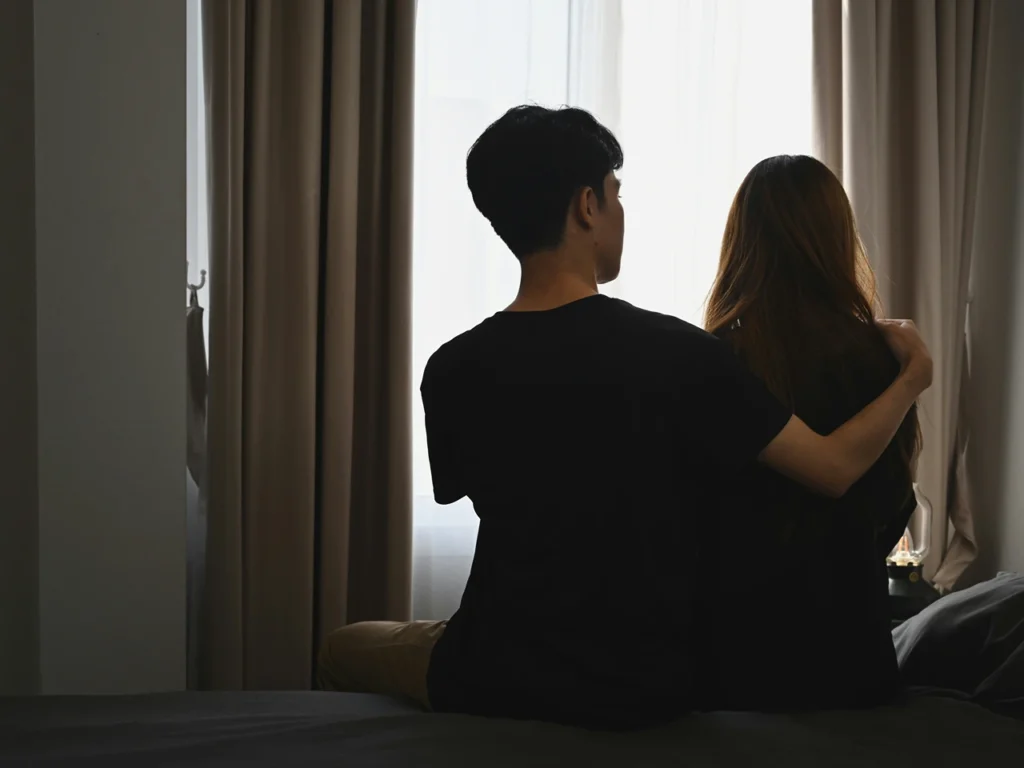
Over time, the dynamics of anxious-avoidant relationships can be emotionally exhausting. Many times, one partner is very focused on maintaining the connection, but the other partner is afraid of losing their independence or becoming emotionally trapped. This creates cycles of relationship patterns that appear difficult to escape.
- Creates toxic cycle patterns: The relationship may become stuck in a push-pull cycle, where one person seeks reassurance, and the other pulls away. The anxious-avoidant pairing can be emotionally draining for both individuals.
- Threatening emotional intimacy: For many avoidant individuals, deeper intimacy may be more anxiety-provoking than comforting. You may have a deep desire for intimacy, but emotional vulnerability still doesn’t feel safe.
- One partner pursues relentlessly: An anxious partner’s fear of losing connection may lead them to constantly seek reassurance, closeness, or emotional validation.
- Other partners distance themselves: The avoidant partner feels overwhelmed by emotional pressure and may respond by shutting down, becoming emotionally unavailable, or causing them to pull back from the relationship.
- The relationship seems unstable, tiring: The sustained emotional stress can lead the relationship to appear unpredictable and stressful over time. They may start to wonder whether the relationship can ever be steady or emotionally fulfilling.
These are common problems for people with anxious-avoidant attachment, especially when different things set off the partners’ emotions. When you have a different attachment style with different emotional needs, it can be difficult to build trust, consistency, and safety without consciously trying to do so.
No waitlists. In-person in Barrie, Orillia, Newmarket, or online across Ontario.
Open now — a Matching Specialist can take your call
Phone line closed — leave a message and expect our call the next business day morning
Help us find your match. Our Matching Specialist will be in touch.
Help us find your match. We’ll contact you the next business day.
View profiles & book online
Managing Anxious-Avoidant Relationships Through Therapy

Although these patterns can feel overwhelming, therapy can help people better understand themselves and improve their relationships. Healing begins with recognizing how past experiences continue influencing current emotional behaviour and attachment needs.
Individual therapy
Exploring personal triggers and emotional reactions can help people understand why they react strongly to rejection, distance, or vulnerability. This process supports healing your attachment wounds over time.
Couples counselling
Therapy can help couples learn healthier ways to talk about conflict, boundaries and emotional expectations without escalating the push-pull dynamic.
Attachment-focused therapeutic approaches
A therapist who understands attachment can help clients identify unhealthy patterns connected to disorganized attachment style and develop safer emotional responses.
Learning healthy coping strategies
Replacing unhealthy coping mechanisms with healthier emotional tools can improve emotional stability and reduce relationship anxiety.
Building secure attachment patterns
With consistency, self-awareness, and support, people can move toward a secure attachment style and create more secure relationships. Becoming more emotionally available allows partners to feel safer, more connected, and more supported in their adult relationships.
Final Thoughts
Not everyone who struggles with intimacy automatically has this attachment pattern, but some people may have an anxious-avoidant attachment style that continues influencing their emotional experiences. Since attachment often develops through childhood experiences, understanding these behaviours can make a major difference in personal growth and relationship healing.
Healing from anxious-avoidant attachment takes time, patience, and self-awareness, but change is possible. By learning about different attachment styles and actively working with a therapist, many people can develop healthier ways to handle closeness, communication, and emotional connection.
Frequently Asked Questions
How does anxious-avoidant attachment develop from childhood experiences?
Understanding the roots of this attachment pattern can help people recognize how early experiences continue shaping emotional behaviour.
Inconsistent caregiving experiences: Children who receive inconsistent emotional support may have difficulty feeling emotionally safe and connected later in life.
Fear of intimacy and fear of rejection: People are taught to associate intimacy with pain, so it is both scary and comforting.
Contradictory emotional needs: The anxious-avoidant style often leads to an internal battle between the craving for love and the fear of emotional dependence.
Childhood emotional confusion: Mixed emotional responses by caregivers may influence the development of trust, communication and emotional security over time.
Long-term emotional patterns: This attachment style may continue influencing adult relationships unless healthier emotional habits are intentionally developed.
What are the common signs of anxious-avoidant attachment?
People with this attachment pattern often display behaviours connected to both emotional dependence and emotional withdrawal.
Strong fear of being abandoned: Someone may become highly sensitive to criticism, distance, or changes in a partner’s behaviour.
Constant need for reassurance: Many anxiously attached people often seek validation to feel emotionally secure in relationships.
Difficulty trusting others: Past emotional experiences can make a person wonder if it’s safe or reliable to be open or vulnerable.
Pulling away when things get too close: Some avoidant types begin to pull away when a relationship becomes more emotionally intimate, as closeness can feel overwhelming or uncomfortable for them.
Mixed signals and confusing behaviour: One moment they may seem loving and fully engaged, then suddenly become distant or hard to reach, which can leave the other person feeling confused and unsure about where they stand.
Why do anxious and avoidant people struggle in relationships?
This attachment style can create emotional tension that affects communication, trust and intimacy in relationships.
Push-pull relationship dynamics: One partner wants to be close while the other withdraws emotionally, creating a pattern of conflict.
Emotional exhaustion over time: Constant uncertainty can make relationships feel draining and difficult to sustain.
Trouble with emotional safety: Many anxious and avoidant people find it hard to feel totally safe, even when there’s love and care.
Difficulty with emotional vulnerability: Fear of rejection or emotional dependence may inhibit open communication and intimacy.
Ongoing Relationship challenges: If not aware of and helped with, negative patterns may continue and be repeated with other relationships.
Can therapy help people with fearful-avoidant attachment?
Therapy can help people understand emotional triggers and develop healthier ways to connect with others.
Recognizing emotional triggers: Individual therapy encourages self-awareness about reactions connected to rejection, distance, or conflict.
Enhancing communication skills: Couples therapy can assist partners in expressing their emotional needs in healthier and more respectful ways.
Learn about fearful-avoidant attachment: Awareness of attachment behaviour helps people to identify patterns associated with fear and self-protection.
Replacing unhealthy coping mechanisms: Healthier emotional tools can improve emotional regulation and reduce instability within relationships.
Developing stronger emotional security: With consistency and support, many people learn how to create safer and more stable connections.
How can someone build a secure attachment in relationships?
Although change takes time, healthier emotional connections can develop through awareness, healing, and consistent effort.
Practicing emotional openness: Learning to express feelings honestly can strengthen trust and emotional understanding between partners.
Establishing Healthy Relationship Boundaries: Healthy boundaries help maintain emotional balance and can lessen fear and confusion in relationships.
Building trust in small bites: Take small steps and small actions, which over time will make people feel safe enough to be emotionally vulnerable.
Improving communication patterns: Talking openly about emotional needs can minimize misunderstandings and emotional barriers.
Steps Toward Emotional Security: Many are able to slowly find their way toward secure attachment by developing healthier emotional reactions and relationship patterns.
Take the next step in whichever way suits you best.
Open now — a Matching Specialist can take your call
Phone line closed — leave a message and expect our call the next business day morning
Help us find your match. Our Matching Specialist will be in touch.
Help us find your match. We’ll contact you the next business day.
View profiles & book online