
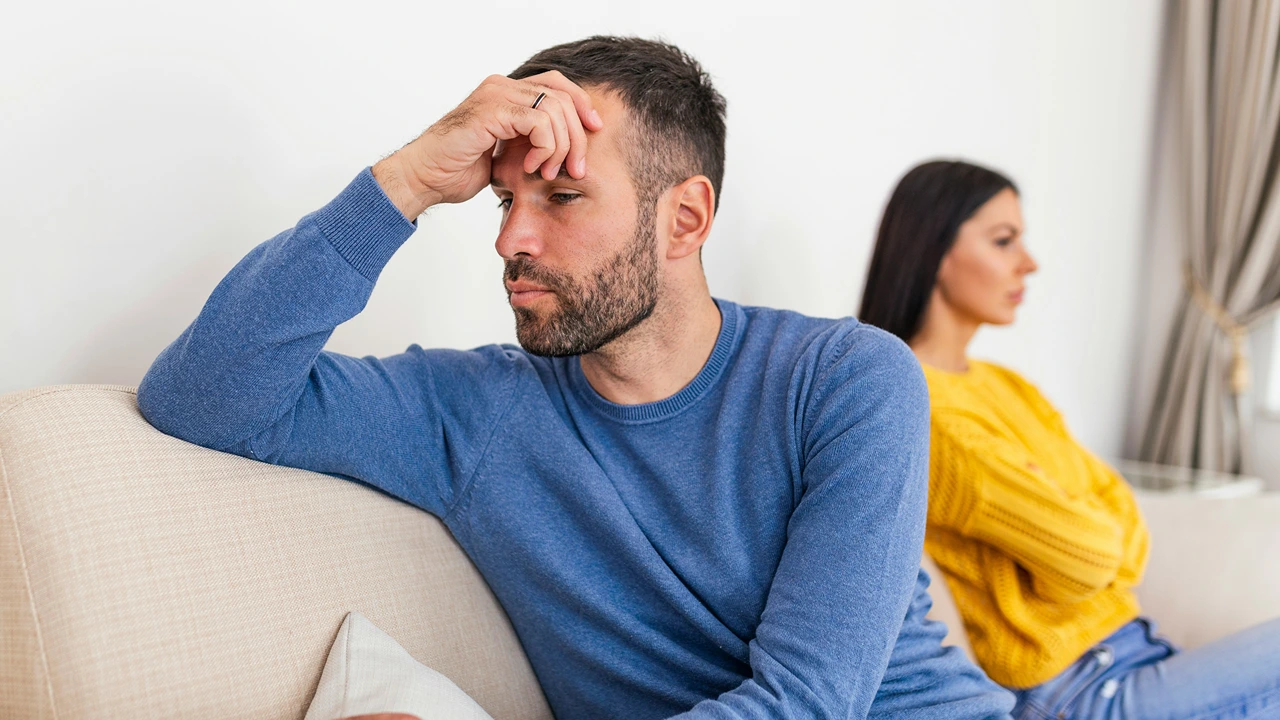
Emotionally Unavailable Man: Signs, Causes, and How to Deal With One
Navigating romantic relationships can be challenging—especially when you’re involved with an emotionally unavailable partner. Understanding what emotional unavailability looks like, why it happens, and how it affects connection can help you decide whether the relationship can grow or if it’s time to leave.
In this blog, we’ll explore the key signs that indicate a man may be emotionally unavailable, the underlying causes behind his behaviour, and practical strategies for coping or communicating effectively to help you make informed choices about your emotional well-being.
Contact us today through our online form or call (705) 737-3513 for expert counselling and therapy in Barrie, Orillia, Newmarket, and online across Ontario.
Get In TouchWhat is an Emotionally Unavailable Man?

An emotionally unavailable man is a person who is emotionally closed off or struggles to engage on a deeper emotional level. While he may function well socially or professionally, emotional closeness often feels uncomfortable or threatening, which can weaken a healthy relationship.
Someone who is emotionally unavailable finds it hard to identify, express, or regulate feelings. This lack of emotional availability can make meaningful communication and emotional connection challenging.
- Surface Confidence, Inner Detachment: Many men who are emotionally guarded appear confident and self-assured on the surface. Beneath that exterior, they are often emotionally detached, using distance as a protective mechanism.
- Consistent Emotional Distance: A common pattern is keeping emotional space, which makes it difficult to connect emotionally or show love in a consistent way. This inconsistency can leave partners feeling uncertain or emotionally disconnected.
- Fear of Vulnerability: Fear of vulnerability is a major barrier for someone who is emotionally unavailable. Even when he wants a serious relationship, opening up emotionally can feel risky or unsafe.
- Limited Emotional Support: Compared to an emotionally available man, he struggles to provide steady emotional support. This can make partners feel unheard or unsupported during emotionally important moments.
In contrast, emotionally available people are present, responsive, and open with their emotions. These qualities support trust, intimacy, and long-term connection—essential elements of a strong relationship.
What Causes Emotional Unavailability in a Man
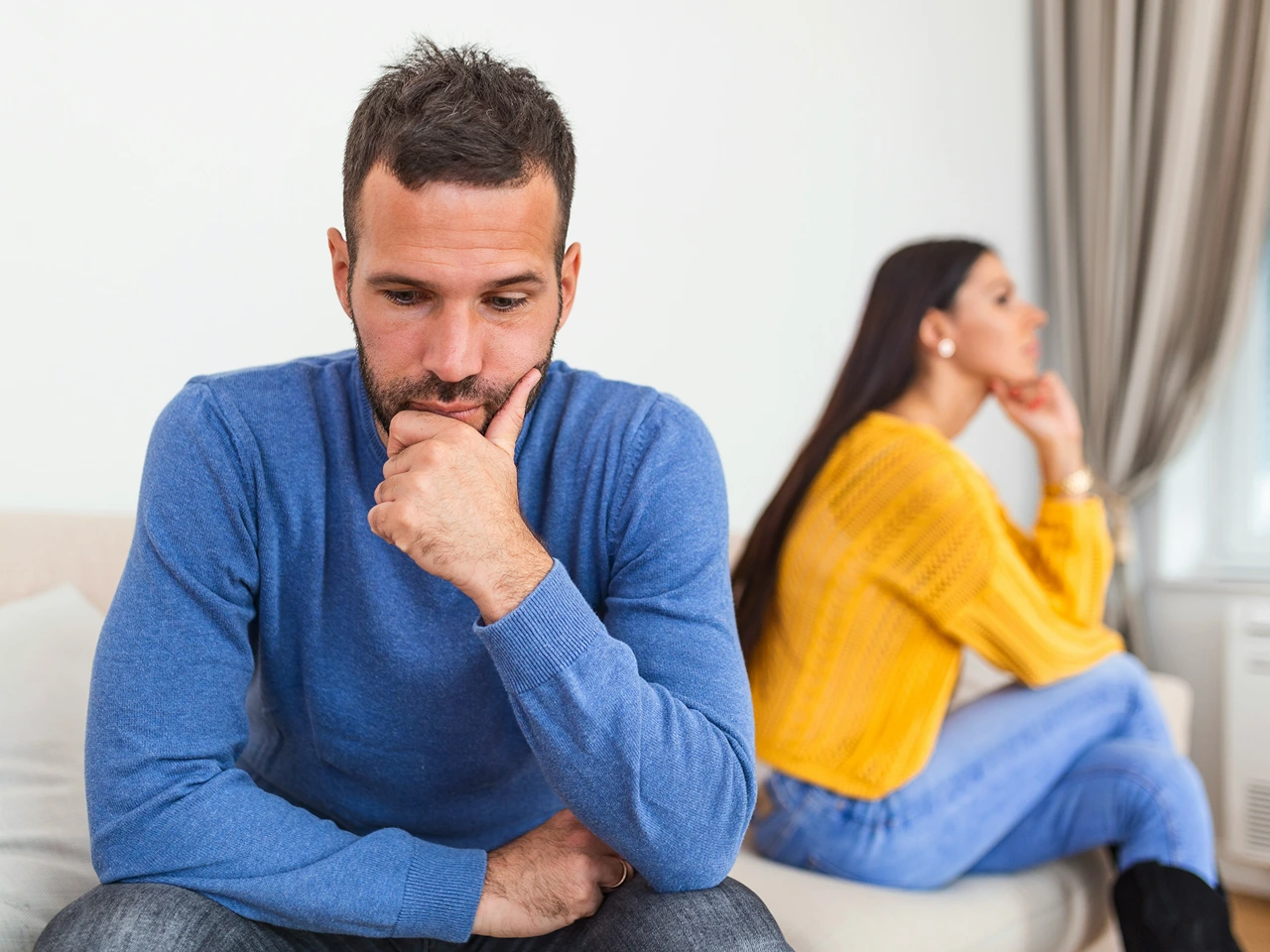
Emotional unavailability rarely appears out of nowhere. It’s often shaped by early experiences, learned coping mechanisms, and unresolved emotional patterns that follow someone into adulthood.
Childhood Trauma or Emotional Neglect
Early emotional neglect or trauma can teach a boy that expressing feelings is unsafe. Over time, this emotional suppression can lead him to become emotionally unavailable, even when he wants meaningful connections.
Painful Past Relationships and Emotional Wounds
Negative experiences in past relationships and a difficult relationship history can condition men to emotionally pull back. As a defence mechanism, emotionally unavailable men may withdraw to avoid repeating emotional pain.
Cultural Conditioning and Toxic Masculinity
Societal expectations often push men to hide vulnerability and prioritize emotional toughness. Because of this, unavailable men may believe that expressing emotions signals weakness, making emotional openness feel uncomfortable or risky.
Attachment Issues From Early Bonds
Insecure attachment styles formed in childhood can carry into adult relationships. As a result, emotionally unavailable men often struggle with closeness, alternating between craving connection and fearing emotional dependence.
Fear of Rejection or Abandonment
After emotional losses or instability in past relationships, many men develop a deep fear of being rejected or left. To cope, emotionally unavailable men may keep emotional barriers in place, even in committed relationships.
As a relationship expert might explain, emotionally unavailable men may want love and intimacy—but fear the emotional exposure they believe comes with it.
Signs of an Emotionally Unavailable Man

If you’re wondering whether he’s emotionally unavailable, watch for these behaviours, which often signal deeper issues in the relationship.
Avoids Meaningful Discussions
He steers clear of conversations that involve feelings, personal challenges, or future plans, leaving your emotional needs unmet and creating distance between you.
Deflects Emotional Topics
He may use humour, sarcasm, or completely shift the topic rather than addressing serious issues, which hinders real connection.
Struggles to Express Feelings
When he cannot clearly communicate his emotions, it can leave you feeling unheard and frustrated, intensifying relationship problems.
Sends Mixed Signals
One moment he seems engaged, the next he pulls back, creating confusion and uncertainty about the direction of the relationship.
Keeps Interactions Surface-Level
Even after weeks or months of dating, conversations remain superficial, showing he’s not ready to open up on a deeper level.
Hesitates to Commit
He doesn’t plan ahead or talk about a long-term partnership, which indicates that he can’t or won’t devote himself entirely to your partnership.
Shuts Down During Conflict
When disagreements arise, he withdraws instead of communicating, demonstrating poor conflict resolution skills and leaving issues unresolved.
Becomes Emotionally Distant
He creates physical or emotional space, making it clear that intimacy or vulnerability is uncomfortable for him.
These behaviours are key red flags, especially when dating an emotionally unavailable man. Over time, this pattern can make you feel unsupported, unseen, and emotionally drained.
Contact us today through our online form or call (705) 737-3513 for expert counselling and therapy in Barrie, Orillia, Newmarket, and online across Ontario.
Get In TouchHow to Deal With an Emotionally Unavailable Partner

Being with someone emotionally unavailable doesn’t automatically mean failure—but it does require clarity, self-respect, and conscious effort.
- Set firm boundaries: Clearly communicate what you need to feel secure and valued. Boundaries help you protect your emotional well-being while making your relationship work.
- Use calm, direct communication: Express your concerns honestly without blame. Effective communication is essential in relationships and can encourage emotional openness.
- Prioritize self-care and self-love practices. Focusing on the self love reinforces your self-worth and ensures you don’t compromise your emotional needs.
- Consider therapy or professional guidance: Therapy can help both partners grow emotionally if the man is emotionally unavailable but willing to change, increasing the chances of a healthy connection.
- Pay attention to actions, not promises. Waiting for someone to change without effort often leads to frustration. Reliable actions show readiness for a more fulfilling relationship.
- Assess readiness for a relationship. Ask yourself if he’s truly ready for a relationship and capable of emotional growth. Recognizing this early prevents prolonged disappointment.
It’s usually obvious that it’s time to leave if the man exhibits persistent emotional patterns and is emotionally unavailable. Making the decision to end the relationship safeguards your health and creates room for development. Sometimes letting go of a toxic relationship entails moving on to create space for more emotionally compatible, healthy long-term relationships.
Final Thoughts
It’s common to feel attracted to emotionally unavailable men, especially if familiarity feels safe. But lasting love requires mutual effort. Love is insufficient without emotional presence, regardless of how deeply emotionally unavailable men feel. Remember that a genuine connection flourishes when both partners are able to become emotionally available, provide consistent care, and develop together. If you find yourself dating someone who is emotionally unavailable.
And if you reach the point where it’s clearly time to leave, trust that stepping away creates space for someone who can truly meet you—someone who is emotionally present, supportive, and capable of the partnership you want.
Frequently Asked Questions
How can you tell if you’re dealing with an emotionally unavailable guy?
A few consistent patterns can help you recognize emotional unavailability before becoming deeply attached.
He avoids emotional depth: Conversations stay light or practical, and attempts to discuss feelings, fears, or personal struggles are often redirected or shut down.
His availability feels inconsistent: He might express interest at one point and then retreat, raising doubts about his actual level of commitment.
Vulnerability makes him uncomfortable: He feels uneasy when he is vulnerable because he shows signs of discomfort with closeness by acting tense, contemptuous, or aloof when emotions are present.
Support is limited during hard moments: His answers come across as insufficient or emotionally flat when you need comfort or understanding.
Connection doesn’t deepen over time: The relationship feels stuck at the same emotional level even after months of dating; connection doesn’t grow stronger over time.
Why is emotional intimacy so difficult for some men to build?
Emotional closeness often challenges long-standing protective behaviours formed earlier in life.
Early emotional conditioning: Openness may later feel unsafe if one was raised in a setting that disapproved of or discouraged feelings.
Fear of emotional exposure: Giving someone a glimpse of one’s inner life may make one fear rejection, condemnation, or losing control.
Unresolved past pain: Rather than healing, emotional scars from past relationships can lead to avoidance.
Learned self-reliance: Interdependence may seem dangerous to someone who is emotionally dependent only on themselves.
Limited emotional vocabulary: Some men have difficulty because they were never taught how to identify or communicate their emotions.
What long-term effects might a lack of emotional connection have on a relationship?
Even intense attraction or compatibility can gradually deteriorate in the absence of emotional depth.
Loneliness within the relationship: You may feel unseen or emotionally alone despite spending time together.
Growing resentment: Repeated unmet emotional needs can quietly turn into frustration and emotional fatigue.
Communication breakdowns: Important topics remain unresolved because emotional discussions never feel safe or productive.
Unequal emotional labour: You may find yourself doing most of the work to maintain closeness in your relationship.
Stalled relationship growth: Without emotional depth, trust and long-term commitment struggle to develop.
Can emotionally unavailable people change if they want to?
Change is possible, but it requires intention, accountability, and consistent effort.
Self-awareness is essential: Real growth only begins when someone acknowledges their emotional patterns honestly.
Action is more important than intention: Without consistent behavioural effort, words alone cannot bring about change.
Outside assistance is beneficial: Coaching or therapy can offer resources for securely examining emotional expression and vulnerability.
Patterns are not changed by time alone: Waiting for him to change without any discernible effort frequently results in emotional annoyance that lasts for a long time.
Boundaries protect both partners: Clear limits help prevent emotional burnout while allowing space for growth.
When is it time to walk away from relationships with emotionally unavailable men?
Sometimes the most emotionally responsible course of action is to choose yourself.
Your needs stay unmet: Repeated communication does not result in significant change or emotional responsiveness, so your needs remain unfulfilled.
You’re emotionally spent: Trying to explain, adapt, or hope all the time wears you out instead of bolstering you.
Self-worth starts to decline: You might begin to wonder if your demands are too high.
Growth is impeded by the relationship: Continuing keeps you emotionally trapped rather than advancing.
You’re settling rather than thriving: Making the decision to leave makes room for the love you deserve.
Contact us today through our online form or call (705) 737-3513 for expert counselling and therapy in Barrie, Orillia, Newmarket, and online across Ontario.
Get In Touch