

Safe and Sound Protocol (SSP) by Stephen Porges: How Specially Filtered SSP Music Helps Attune the Nervous System
What if just listening to specially filtered music could actually help your body and the nervous system feel safe and more at ease? The Safe and Sound Protocol (SSP), developed by Dr. Stephen Porges and based on polyvagal theory, is a listening therapy that uses sound frequencies within the range of the human voice. It’s a gentle, therapeutic way to support sensory processing and social engagement without feeling overwhelming.
With SSP, you simply listen to filtered music through headphones, and it works with your auditory system, vagus nerve, and cues of safety. It’s often used for children with autism and even adolescents and adults dealing with sensory processing problems. The experience is simple, but it can help with emotional regulation and make social interaction feel a bit easier.
The SSP program is usually guided by an SSP provider and is built on the science of safety and years of research. It’s a different kind of nervous system intervention that uses music to help you respond better to the world around you. Read on to explore the SSP experience and see how it may help you connect better with others.
 You’ll talk with Devika Rogersour Matching Specialist
Start with a free 20-minute matching consultation.
Open now — a Matching Specialist can take your call
Phone line closed — leave a message and expect our call the next business day morning
Help us find your match. Our Matching Specialist will be in touch.
Help us find your match. We’ll contact you the next business day.
View profiles & book online
What Is the Safe and Sound Protocol (SSP) by Dr. Stephen Porges?

A listening therapy–based approach that uses music to help you feel safer, calmer, and more connected in everyday life.
A Simple Way to Support Calm and Connection
The Safe and Sound Protocol (SSP) is a therapeutic intervention developed through integrated listening systems and backed by decades of research. It involves listening to specially designed music of the SSP for five hours, a playlist that uses specific sound frequencies within the frequency range of the human voice. It may sound simple, but exposing the nervous system this way can help us respond more effectively to the world around us and feel more at ease in social situations.
- You simply listen to the music through a guided playlist using headphones.
- It supports sensory integration and helps the middle ear process sounds more comfortably.
- It helps balance the sympathetic and parasympathetic nervous systems.
- It can improve how you pick up social cues and engage in social interaction.
- It has been used with people across different needs, including autism spectrum disorder and other spectrum disorder experiences.
Professionals with SSP training and certification may deliver SSP, since that’s required to deliver the SSP properly. It can make it easier to build positive social relationships and even access higher learning and cognition over time. It’s a gentle starting point if you’re looking for a different way to feel more connected and comfortable in your daily life.
How Does SSP Work to Retune the Nervous System?

A listening therapy–based approach that feels simple, but is meant to gently help your body settle and feel more at ease over time.
It Starts With a Guided Listening Process
SSP uses something called the listening project protocol, where you just listen to specially prepared tracks through headphones. It’s usually done in a slow, guided way so it doesn’t feel overwhelming or rushed. A lot of people are surprised that you don’t really “do” much; you just listen and let the process unfold.
- Follows a structured listening project protocol.
- Done with guidance from a trained provider.
- You simply listen through headphones.
- Kept slow and easy so it feels manageable.
It Works With Sound in a Gentle Way
SSP uses modified popular music, shaped in a very specific way to support how your body reacts to sound. Over time, this can help things that once felt too loud or stressful feel a bit more normal. It’s not instant, but it’s meant to be a gradual shift.
- SSP uses specially adjusted popular music.
- Helps reduce feelings of being overwhelmed by everyday sounds.
- Supports a calmer, more settled response over time.
- Designed to feel gradual, not forced.
It Supports How You Connect With Others
One of the things SSP focuses on is the social engagement system, which is basically how we connect, listen, and respond to people. When things feel more regulated, conversations and social moments can feel less draining. It can be a subtle change, but people often notice it in daily interactions.
- Supports smoother social interaction.
- Helps with focus during conversations.
- Encourages more natural responses with others.
- Can make connections feel easier and less stressful.
It’s Still Being Studied and Refined
SSP has been used in different settings, and case studies continue to evaluate the listening project protocol to better understand its effects. Like many approaches, SSP may look a bit different depending on the person and situation. Still, it’s something many find helpful as a starting point for feeling more balanced.
- SSP has been used in different real-world settings.
- Case studies help evaluate and improve the process.
- Evaluating the listening project protocol is ongoing.
- SSP may be adapted based on individual needs and response.
What to Expect From Your SSP Experience With an SSP Provider
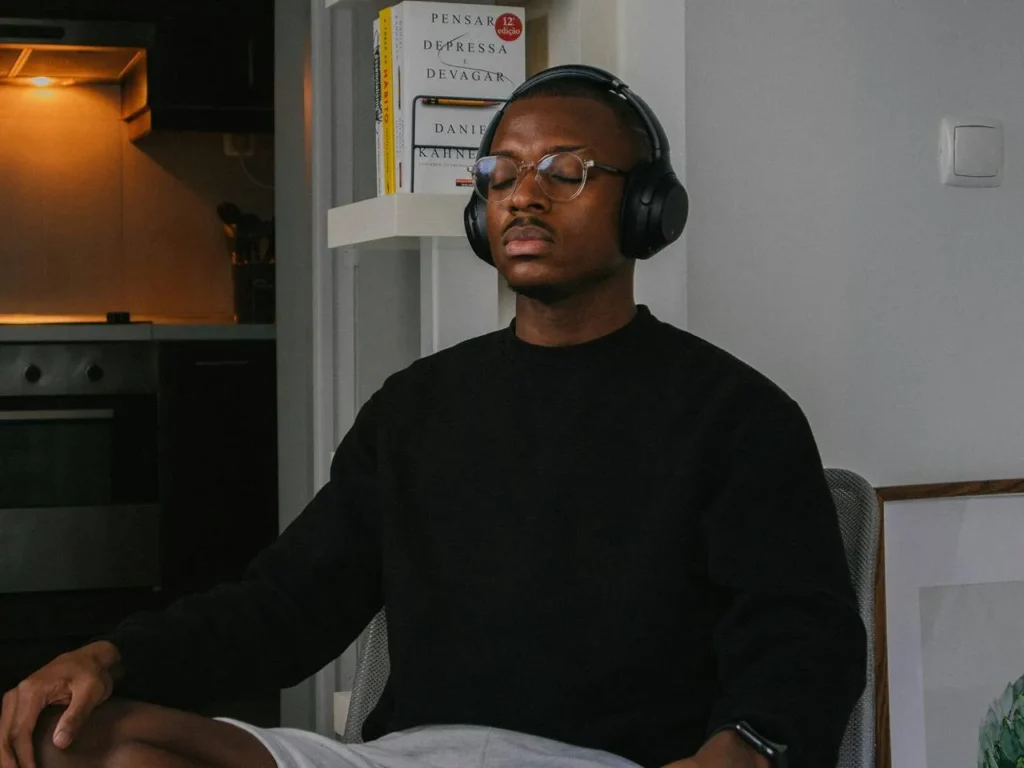
This is usually a slow, guided process that’s meant to feel gentle and easy to take in, not overwhelming.
It Starts Slow and Simple
At the beginning, the provider usually just walks you through what’s going to happen so nothing feels confusing or rushed. You start with very short listening sessions, just to see how your body responds. It’s more about easing in than doing everything at once.
- You get a simple introduction before starting.
- Listening begins in short, easy sessions.
- The pace is adjusted based on how you feel.
- The focus is on helping you feel comfortable first.
You Just Listen in a Relaxed Setting
Most of the time, you’re just wearing headphones and listening while sitting somewhere comfortable. You don’t have to talk, explain anything, or “do” anything during it. It’s meant to feel like a quiet moment in your day, not a task.
- Done while sitting or resting in a calm space.
- No pressure to talk or respond.
- Can be done at home or in a clinic setting.
- Feels more like listening than doing therapy.
You’re Not Left on Your Own
The provider checks in with you regularly to see how you’re doing and how the listening feels. If something feels too intense or uncomfortable, the pace can be slowed down right away. It’s very flexible and shaped around your comfort.
- Regular check-ins throughout the process.
- The sessions can be adjusted anytime if needed.
- Support is available and accessible the whole time.
- Your comfort guides the pace.
Changes Usually Happen Gradually
People usually say the changes are subtle at first, like things just slowly feel a bit lighter or easier over time. It’s not an overnight shift, more like your system slowly settling. For many, it just starts to feel like everyday life is a little less heavy.
- Changes tend to happen slowly over time.
- May feel like a gradual sense of ease.
- Everyday moments can feel less intense.
- The shift is often subtle but noticeable in hindsight.
No waitlists. In-person in Barrie, Orillia, Newmarket, or online across Ontario.
Open now — a Matching Specialist can take your call
Phone line closed — leave a message and expect our call the next business day morning
Help us find your match. Our Matching Specialist will be in touch.
Help us find your match. We’ll contact you the next business day.
View profiles & book online
Who Can Use SSP to Connect Better and Support Emotional Regulation?

This is often something people look into when everyday life feels a bit too intense, emotionally heavy, or just hard to manage. It’s usually not used alone, but as something supportive alongside other kinds of help or self-care.
People Dealing With Ongoing Stress or Anxiety
Some people who are frequently stressed or experiencing anxiety just feel constantly “on,” like their body never fully relaxes, even when things are fine. This kind of support may help things slowly feel a bit lighter and less reactive over time.
Those Who Feel Easily Overwhelmed by Sensory Input
For some, normal things like noise, crowds, or busy environments can feel like too much. Over time, this may help those situations feel less draining and easier to handle.
People Who Struggle With Social Comfort
Social situations can feel tiring or even stressful for some people, especially when it’s hard to relax around others. With time, it may help those moments feel a little more natural and less overwhelming.
Individuals Who Feel Emotionally “Stuck”
Sometimes emotions can feel like they get stuck; either too intense or just flat and hard to shift. This kind of support may help things feel a bit more balanced and easier to move through.
Those Already Doing Therapy or Personal Work
A lot of people explore this while already doing therapy or working on themselves in other ways. It’s often seen as an extra layer of support rather than something that replaces anything else.
Individuals With Nervous System Challenges
Some people feel like they’re stuck in survival mode; always tense, easily startled, or shutting down when things get too much. This approach may help the body slowly find a calmer baseline.
Neurodivergent Individuals
It’s often explored by children and adults who experience the world differently, including those with autism, ADHD, or sensory processing differences. The goal is simply to help daily life feel a bit more manageable and less overwhelming.
Trauma Survivors
People who’ve been through trauma sometimes find that their body reacts strongly to everyday situations. This kind of support may help create a gradual sense of safety again.
People With Sensory Sensitivities
For those who are very sensitive to sound or certain environments, everyday noise can feel exhausting or even painful at times. Over time, this may help reduce that level of reactivity.
All Ages
It can be used by both kids and adults, depending on what someone needs and how they respond to it. The pace is usually adjusted so it feels comfortable for the person going through it.
Benefits of SSP: Tunes That Retune and Improve Nervous System Regulation

This is a gentle listening approach that some people try when life feels a bit too heavy, stressful, or overwhelming. Over time, it may help things feel a little more balanced and easier to get through day to day.
Supports a Calmer Internal State
A lot of people describe it as their body slowly starts to “calm down” a bit more over time. It’s not an instant change, but more like feeling less tense and less on edge as days go by.
Helps Everyday Sounds Feel Easier
If normal sounds like traffic, crowds, or even everyday noise feels too much, it can be really draining. Over time, this may help those sounds feel less sharp and a bit easier to tolerate.
Encourages Better Emotional Flow
Sometimes emotions can feel stuck; either too intense or just hard to move through. This kind of support may help things feel a little more natural, like emotions aren’t hitting quite as hard or staying as long.
Makes Social Moments Feel Less Draining
Talking to people or being around others can feel exhausting for some, even if nothing is “wrong.” Over time, it may help those moments feel a bit lighter and less like something you have to push through.
Supports a General Sense of Ease Over Time
The changes aren’t usually big or dramatic, more like small shifts you only notice when you look back. It can slowly feel like daily life isn’t weighing quite as much as it used to.
Final Thoughts
The Safe and Sound Protocol, or SSP, is really just about helping your body feel a bit more at ease in everyday life. Not quickly or dramatically, but more like a slow shift where you start noticing you’re not as tense or on edge all the time.
Some people describe it as things just feel a little lighter, and daily moments don’t take as much effort anymore. It’s usually done with guidance, too, so you’re not figuring it out alone.
That support can make it feel safer and more comfortable, especially at the start when everything is still new. Over time, it can feel like life just becomes a bit easier to move through. At the heart of it, it’s a simple idea: giving your body a chance to relax and find its own balance again.
Frequently Asked Questions
What is the Safe and Sound Protocol, and how does it work in everyday life?
It’s basically a listening-based approach that uses specially filtered sound to help you feel a bit calmer and steadier in daily life. The idea is that over time, your body can start reacting to stress in a less intense way.
Listening through headphones: You just listen to guided audio using headphones, usually in a simple and quiet setting. It doesn’t require effort—just sitting and letting the sound play.
Gradual adjustment period: It starts very slowly, so your body can get used to it without feeling overwhelmed. Over time, some people notice they don’t get as easily thrown off by everyday stress.
Focus on safety signals: The sound is designed in a way that may help your body feel more “at ease” and less on guard. That can make everyday interactions feel a bit lighter.
Supportive guidance: There’s usually someone guiding the process, so you’re not doing it alone. They help adjust the pace depending on how you’re feeling.
How does listening to filtered music influence the nervous system and emotional balance?
The idea is that sound can gently influence how your body reacts to stress and emotions. Over time, this may help things feel less intense and more balanced.
Shifts in stress response: Instead of feeling constantly “on alert,” your body may start to settle more easily. Stressful moments might feel a little less overwhelming.
Improved emotional flow: Emotions that feel stuck or too strong may start to feel a bit easier to move through. It can feel like things don’t hit quite as hard.
Reduced sensitivity: Everyday sounds or busy environments may not feel as irritating or intense as before. That can make daily life feel a bit easier to handle.
Subtle, gradual changes: It’s not something you notice right away. Most people only realize something has shifted when they look back after a while.
What can you expect during a typical SSP session with a trained provider?
Sessions are usually calm, simple, and designed to feel safe from the start. There’s no pressure to do anything complicated.
Simple start: The provider explains everything first so you know what to expect. You usually begin with very short listening sessions just to ease in.
Relaxed setting: You sit comfortably with headphones and just listen. You don’t need to talk or respond during the session.
Ongoing check-ins: The provider checks in with you to see how you’re feeling. If anything feels too much, they adjust things right away.
Personal pacing: Everyone goes at their own pace depending on comfort. The process is kept flexible so it doesn’t feel forced.
Is SSP suitable for children, teens, and adults with sensory or emotional challenges?
Yes, it’s often explored by people of different ages who feel overwhelmed, sensitive, or emotionally stretched. It’s usually adjusted based on the person’s needs.
Children and teens: Younger people may need a slower and more guided approach so they can adjust comfortably. Everything is paced carefully so it doesn’t feel too much.
Adults with stress or overwhelm: Adults who feel constantly tense or emotionally drained may also explore it. It’s often used alongside other forms of support.
Sensory challenges: People who find sounds or busy environments overwhelming may find this helpful over time. It may make everyday situations feel a bit easier to manage.
Flexible approach: The process is always adjusted depending on how someone responds. Comfort and safety guide the entire experience.
What does current research and case study evidence say about the science of safety behind SSP?
Research is still ongoing, but there’s growing interest in how sound may affect how we feel and respond to stress. It’s based on the idea that the body constantly scans for safety or danger.
Emerging research: Studies are still looking at how filtered sound may support emotional and physical regulation. Early findings suggest it can be helpful for some people.
Case study observations: Some real-life reports describe feeling calmer, more stable, or more socially comfortable over time. But experiences can vary a lot from person to person.
Individual differences: Not everyone responds the same way, and that’s completely normal. That’s why pacing and guidance matter so much.
Supportive, not standalone: It’s usually one part of a bigger support plan, not something used alone. Many people combine it with other kinds of care or therapy.
Take the next step in whichever way suits you best.
Open now — a Matching Specialist can take your call
Phone line closed — leave a message and expect our call the next business day morning
Help us find your match. Our Matching Specialist will be in touch.
Help us find your match. We’ll contact you the next business day.
View profiles & book online