

Self Loathing Meaning: Understanding the Causes of Self-Hatred and How to Overcome It
Ever feel like your own mind is working against you? A lot of people struggle with a harsh inner dialogue. When those feelings become intense and persistent, they may be pointing to something deeper. Self-loathing often includes self-criticism, shame, guilt, and always feeling “not good enough,” which can have a negative effect on relationships, confidence, and mental well-being.
Understanding self-loathing can help people recognize unhealthy emotional patterns and begin moving toward healing, growth, and healthier self-worth. In this blog, we will explore the causes of self-hatred, the signs of self-loathing behaviour, and practical ways to rebuild self-acceptance and emotional resilience.
 You’ll talk with Devika Rogersour Matching Specialist
Start with a free 20-minute matching consultation.
Open now — a Matching Specialist can take your call
Phone line closed — leave a message and expect our call the next business day morning
Help us find your match. Our Matching Specialist will be in touch.
Help us find your match. We’ll contact you the next business day.
View profiles & book online
Understanding the Meaning of Self Loathing

Self-loathing definition is more than just feeling disappointed in yourself occasionally. This is a deep, ongoing pattern of self-hate, shame and emotional pain that affects a person’s whole self. People who struggle in these areas tend to have a continuous negative internal monologue about who they are and what they deserve.
Self-hate is defined as having a strong dislike or rejection of oneself. People tend to focus on every flaw, mistake or weakness and ignore the positive qualities they have. This often leads to a very unhealthy relationship with oneself.
Persistent negative self-perception
Someone can see themselves in a negative way, thinking they will never be good enough no matter what they do. These self-loathing thoughts can affect confidence, relationships, work performance and mental health.
Deep-seated shame and guilt
People who struggle with self-loathing often have unresolved guilt, embarrassment or shame connected to an experience in the past. These painful feelings can become a part of a person’s emotional identity and affect the decisions they make every day.
Constant self-criticism and judgment
Constant self-criticism is a big indicator of self-loathing and self-hatred. The inner critic may be constantly comparing the person to others, pointing out the person’s failures and reinforcing negative thoughts. Over time, this cycle of negative internal judgment can damage self-esteem.
Feeling fundamentally flawed or broken
Some people develop a core belief that something is wrong with them, and it’s a damaging belief. They can be very self-critical of themselves, obsess over perceived imperfections, and think they see or feel they do not deserve love, acceptance or success.
What Causes Self-Loathing Behaviour?
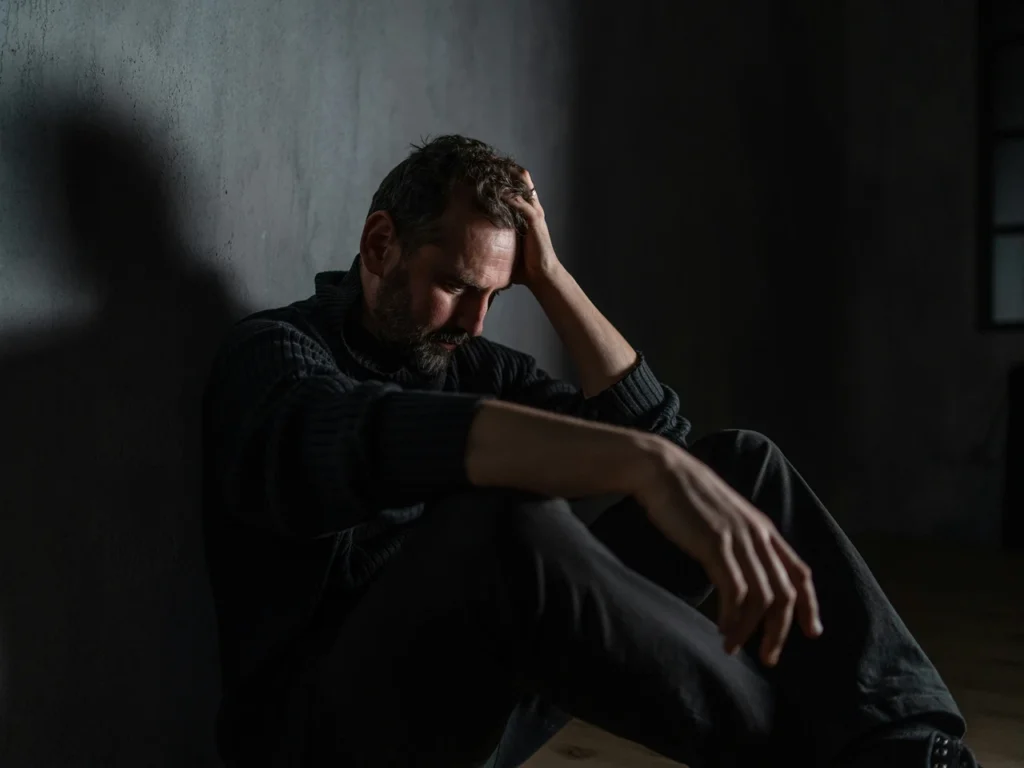
There is rarely one single cause behind self-loathing. Instead, it often develops through a combination of life experiences, emotional conditioning, and unhealthy mental habits. Understanding what contributes to these feelings can help people better identify self-loathing and begin healing.
Childhood trauma or abuse
Childhood neglect, trauma and emotional abuse can influence how a person feels about themselves later in life. Many kids who develop chronic shame or fear may carry those emotional scars into adulthood.
Harsh parental criticism
Even well-meaning parents can inadvertently inflict emotional damage by applying constant pressure, criticism or unrealistic expectations. Repeated exposure to extreme criticism of oneself by authority figures can affect a child’s long-term emotional development and emotional baseline.
Bullying or peer rejection
Mockery, rejection or social exclusion can deeply impact a person’s identity and confidence. If you have trouble fitting in, you may internalize rejection and develop a pattern of self-blame or unhealthy negative thinking.
Perfectionism and failure sensitivity
People dealing with perfectionism often place impossible pressure on themselves. When they fail to meet unrealistic expectations, they may experience intense disappointment and harsh self-talk. Over time, this can fuel a damaging cycle of self-hate.
Mental health conditions (depression, anxiety)
Some forms of self-hatred are directly connected to mental health issues. Conditions like depression, anxiety disorders or borderline personality disorder can exacerbate emotional sensitivity and feelings of worthlessness or shame.
Negative self-talk patterns
Negative self-talk can change a person’s self-image over time. Eventually, they become automatic, reinforcing insecurity and emotional pain. This internal dialogue can lead to people eventually invalidating their own successes, feelings or accomplishments.
Signs of Self-Destructive Behaviours and Their Impact on Self-Worth

Self-loathing does not only affect thoughts — it can also influence behaviour, relationships, and emotional stability. People who experience chronic self-hatred may engage in unhealthy coping mechanisms that further damage their well-being.
- Negative self-talk: Repetitive negative thoughts are one of the most common signs. They may replay failures and failures in their mind, and berate themselves or over-analyze emotionally.
- Social isolation and withdrawal: Many people who experience self-loathing struggle to connect with others or maintain friendships.
- Self-sabotaging relationships or opportunities: Some people unwittingly sabotage healthy relationships or avoid opportunities because they feel they are not deserving of happiness or success. These patterns can feed a vicious cycle of negative behaviour.
- Substance abuse or addiction: Sometimes people use alcohol, drugs or other unhealthy coping methods to escape emotional pain. While such mechanisms may offer short-term relief from pain, they frequently lead to increased emotional pain over the long term.
- Disordered eating patterns: Food restriction, binge eating, or obsessive eating habits may develop as a response to shame, control issues, or body-related insecurities connected to low self-esteem.
- Self-harm or physical punishment: In severe cases, people may engage in self-harm or other dangerous behaviours as a way to cope with emotional distress. Some individuals experiencing intense emotional pain may also face suicidality, making immediate professional help essential.
- Creates a cycle of shame: These behaviours often strengthen the existing cycle of self-hate, causing people to feel even more guilt, shame, and hopelessness afterward.
No waitlists. In-person in Barrie, Orillia, Newmarket, or online across Ontario.
Open now — a Matching Specialist can take your call
Phone line closed — leave a message and expect our call the next business day morning
Help us find your match. Our Matching Specialist will be in touch.
Help us find your match. We’ll contact you the next business day.
View profiles & book online
How to Overcome Self-hatred?

Although self-loathing can feel overwhelming, healing is possible. Recovery usually involves developing healthier emotional habits, rebuilding confidence, and learning to respond to yourself with greater kindness and understanding.
Practice self-compassion daily
Learning self-compassion is one of the most important steps in beginning to heal. Instead of putting yourself down for making mistakes, treat yourself with compassion and respond with patience and understanding. Self-love takes time to build, but consistent kindness toward yourself can slowly weaken the power of the inner critic.
Challenge negative thought patterns
Learning how to recognize unhealthy thinking patterns can help to decrease emotional suffering. When negative beliefs arise, pause and question if they are truly true or if they are stemming from fear, shame, or old conditioning.
Seek professional therapy or counselling
Working with mental health professionals can be a valuable tool in recovery. Traditional therapy and other approaches, such as dialectical behaviour therapy (DBT), can help people better regulate emotions, improve coping skills and rebuild self-worth.
Seeking professional help can make a difference when it comes to figuring out emotional triggers and finding the right treatment for you. We all have different coping techniques for different experiences and emotional struggles.
Set achievable, realistic goals
Get rid of the perfectionism and set realistic expectations and small, achievable goals. Progress is more sustainable when people don’t ask perfection from themselves every day.
Forgive past mistakes
Healing sometimes requires embracing the fact that mistakes are part of being human. We should also learn from the past and let go of excessive guilt to help reduce shame and become more emotionally resilient.
Final Thoughts
Self-hate can make life emotionally draining, but it doesn’t have to dictate a person’s future. The first important step in learning the meaning of self-loathing is to recognize harmful thought patterns and to break the cycle of shame and guilt. Healing takes time, but small shifts in mindset, self-compassion and emotional support can gradually restore confidence and self-esteem.
Seeking help, whether through counselling, supportive relationships or improved coping skills, can make recovery easier. Kindness is for everyone, including kindness to yourself. Self-hatred can be overcome, and with patience, awareness and consistent effort, you can create a healthier and more accepting relationship with yourself.
Frequently Asked Questions
What is the meaning of self-loathing?
Self-loathing is a constant emotional pain, a harsh judgment of yourself, a deeply negative view of yourself that impacts your day-to-day life and emotional well-being.
Persistent Negative Self-Image: People experiencing self-loathing often believe they are not good enough, even when there is evidence of their strengths or accomplishments.
Constant Inner Criticism: An overly critical inner voice may repeatedly focus on mistakes, failures, or flaws, making it difficult to build confidence or self-worth.
Emotional Shame and Guilt: There are many people who have emotional shame from previous experiences that can affect their identity and daily choices.
Difficulty Recognizing Positive Qualities: Someone with self-hatred may not accept compliments, minimize accomplishments, or only focus on flaws instead of areas of growth.
Impact on Daily Functioning: These harmful patterns can affect relationships, motivation, emotional stability, and the ability to maintain a healthy sense of self.
What causes self-loathing behaviour to develop?
Self-loathing usually develops through a combination of emotional experiences, unhealthy beliefs, and long-term negative conditioning.
Childhood Emotional Wounds: Early experiences involving criticism, neglect, or emotional pain can strongly influence how a person views themselves later in life.
Harsh External Criticism: Persistent criticism from parents, peers or authority figures can slowly turn into internalized self-hatred and insecurity.
Fear of Rejection or Abandonment: Experiences of emotional loss or rejection can result in deep-seated fears of being unwanted, unloved or emotionally unsafe.
Unhealthy Mental Habits: Repeated negative thinking patterns can shape the way people interpret their experiences and reinforce low self-esteem over time.
Mental Health Challenges: Conditions such as depression or anxiety may intensify painful emotions, making it harder for individuals to break negative emotional cycles.
What are the common signs of self-destructive behaviour linked to self-loathing?
Self-loathing can affect emotional health, behaviours, relationships, and the ability to cope with stress in healthy ways.
Harsh Negative Thinking: People may replay failures repeatedly in their minds and become trapped in painful thoughts or feelings that damage emotional well-being.
Social Withdrawal: Feelings of shame or worthlessness may cause individuals to avoid friendships, isolate themselves, or struggle with emotional connection.
Self-Sabotaging Actions: Some people unknowingly sabotage relationships, opportunities or even their own personal goals because they feel they don’t deserve success or happiness.
Unhealthy coping mechanisms: Behaviours such as substance use, emotional avoidance, or self-injury may temporarily dull distress but often heighten emotional pain later.
Emotional Shame Cycles: These behaviours frequently reinforce the cycle of self-loathing, increasing guilt, hopelessness, and self-blame over time.
How can someone begin overcoming cycles of self-loathing?
It takes time to recover from self-loathing but small consistent adjustments can help you build emotional resilience and self-acceptance over time.
Practice Self-Compassion Daily: Responding to mistakes with patience rather than punishment can gradually chip away at the power of harsh self-judgment.
Challenge Negative Beliefs: Learning to challenge harmful assumptions helps people separate reality from fear-based thinking.
Seek Professional Support: Therapy or counselling can be helpful in allowing individuals to understand emotional triggers better and develop healthier coping skills.
Keep it Realistic: Instead of trying to be perfect, working toward realistic goals can help make progress feel more manageable and less emotionally overwhelming.
Learn to forgive yourself: Recognize that mistakes are part of being human and can help reduce emotional shame and create long-lasting healing.
Why is understanding self-loathing important for emotional well-being?
Recognizing self-loathing early can help individuals better manage emotional struggles and begin building healthier self-worth.
Encourages Emotional Awareness: The more people know about self-loathing, the easier it becomes to recognize unhealthy thought patterns and emotional triggers.
Improves Relationship Well-being: Working on self-hatred can result in improved communication, trust, and emotional intimacy with others.
Reduces Negative Behaviours: Identifying emotional experiences can help to prevent destructive coping mechanisms and encourage more positive responses to stress.
Aids personal development: Establishing stronger emotional habits can boost confidence, resilience and general mental health.
Supports Long-Term Healing: With support, patience and self-awareness, people can gradually rebuild a healthier and more accepting relationship with themselves.
Take the next step in whichever way suits you best.
Open now — a Matching Specialist can take your call
Phone line closed — leave a message and expect our call the next business day morning
Help us find your match. Our Matching Specialist will be in touch.
Help us find your match. We’ll contact you the next business day.
View profiles & book online