
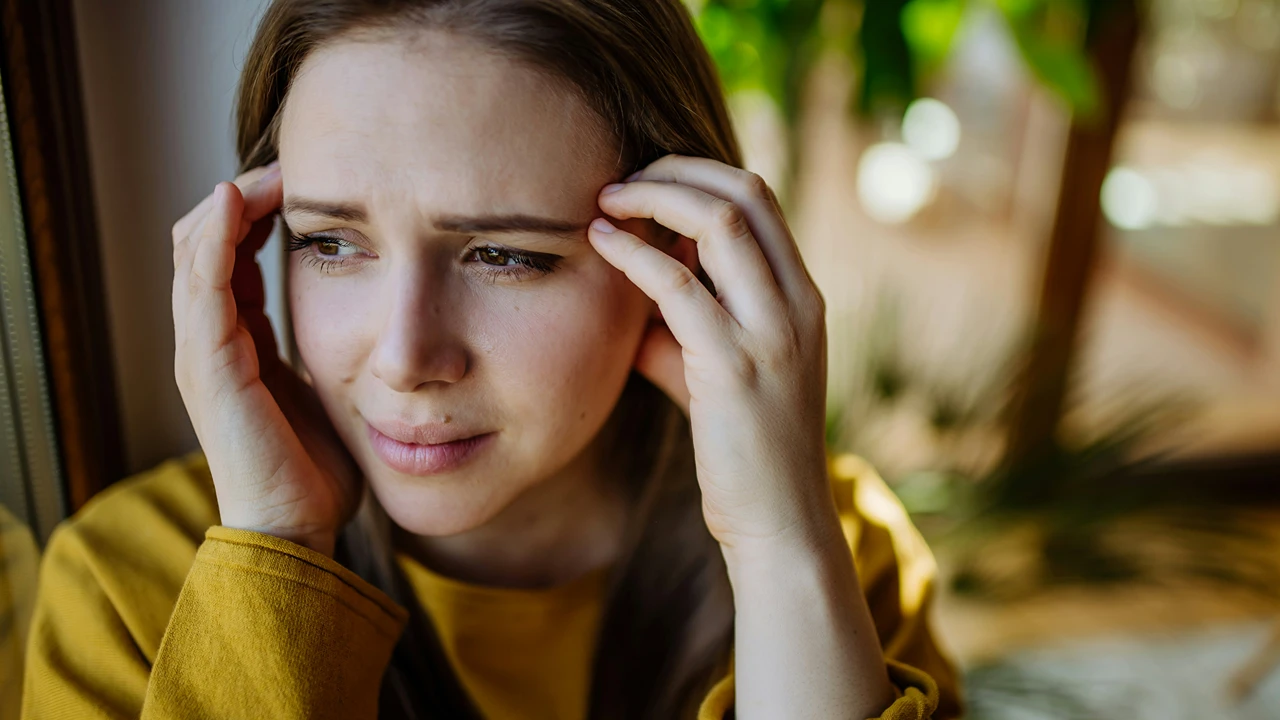
Symptoms of Anxiety Attack: Understanding Anxiety Disorder and Recognizing Mental Health Warning Signs
Have you ever wondered if the stress and fear you’re feeling are more than just everyday worry? Anxiety is a normal response to pressure, but when feelings of anxiety become overwhelming, persistent, or start affecting your daily routine, they may point to a deeper mental health condition. Knowing the symptoms and causes of anxiety can help people recognize when it may be time to seek help from a mental health professional.
In this blog, we’ll discuss common symptoms of anxiety attacks, the difference between anxiety attacks and panic attacks, and how you can manage attacks with ways to support overall mental and emotional well-being.
 You’ll talk with Devika Rogersour Matching Specialist
Start with a free 20-minute matching consultation.
Open now — a Matching Specialist can take your call
Phone line closed — leave a message and expect our call the next business day morning
Help us find your match. Our Matching Specialist will be in touch.
Help us find your match. We’ll contact you the next business day.
View profiles & book online
Types of Anxiety Disorders
Not all anxiety conditions look the same, and symptoms can vary from person to person. Understanding the different disorders can help explain why anxiety affects people in unique ways.
Generalized Anxiety Disorder (GAD)
Generalized anxiety disorder is characterized by excessive anxiety about ordinary things such as work, relationships or health, even when there is not much to worry about. This condition is characterized by chronic worry and fear that can impact both mental and physical health.
Social Anxiety Disorder
Social anxiety disorder, also known as social phobia, is marked by a strong fear of being judged or viewed negatively by others in social settings. Individuals affected by this condition may often avoid conversations or public speaking or certain situations that will cause embarrassment.
Panic Disorder
Panic disorder involves repeated and unexpected panic attacks that create sudden feelings of intense fear or anxiety. Many people with panic disorder become afraid of having a panic episode again because attacks usually happen unexpectedly and may feel severe enough that they think they’re having a heart attack.
Specific Phobias
Specific phobias involve intense fear or anxiety about specific objects or animals or places or situations. These fears can cause such intense anxiety that people will avoid activities or settings that are associated with the trigger.
Separation Anxiety Disorder
Separation anxiety disorder isn’t only for children. Adults can also be affected, and may feel extreme anxiety when separated from loved ones. It can affect relationships, work and general physical health.
Agoraphobia
People with agoraphobia are afraid of being in places where they may have a panic attack and not be able to escape. Many people with agoraphobia avoid crowded places, public transport or unfamiliar places because they feel very anxious that they will lose control.
Signs and Symptoms of Anxiety Attacks
Anxiety can affect your mind and body, and sometimes cause emotional distress and physical symptoms. These early warning signs could assist people with symptom management.
Rapid heartbeat
Rapid heart rate or pounding heart is one of the most common physical symptoms experienced during anxiety episodes. Others report chest pain or strong physical sensations that may be frightening.
Shortness of breath
Anxiety can influence your breathing patterns and make you feel breathless, especially while experiencing panic attack or when under severe stress. These symptoms may make a person feel dizzy or sick.
Excessive worry
Constant worry about work, family, finances or future events is a key symptom of anxiety and is linked to many mental disorders. Overthinking increases levels of anxiety and makes it more difficult to manage daily responsibilities.
Muscle tension
Ongoing stress may create tight muscles, headaches, or body aches that impact physical conditions and sleep quality. If left unmanaged, this can also worsen anxiety over time.
Sweating or trembling
Sweating, shaky, or shivering is common when you are feeling extreme fear or emotional distress. These reactions are the body’s natural reaction to perceived danger.
Difficulty concentrating
People who experience anxiety may struggle to focus because their minds remain occupied by stress or fear. This can affect school, work, and decision-making abilities.
Irritability or restlessness
You may also find yourself getting restless, impatient or emotionally overwhelmed – another sign anxiety and fear are becoming harder to control. The emotional toll could also be part of broader mental health concerns.
Difference Between Anxiety Attacks and Panic Attacks

Although anxiety attacks and panic attacks are often confused, they have important differences in how they develop and feel. These distinctions can make it easier to understand what someone may be experiencing.
Anxiety Attacks
- Gradual buildup: Anxiety usually develops slowly as stress builds over time due to responsibilities, fears, or the causes of anxiety linked to life events. These can continue for long periods if unmanaged.
- Prolonged, chronic: Untreated anxiety is more likely to last longer and become chronic. Anxiety disorders include chronic stress that impacts relationships, sleep and routines.
- Linked to stressors: Anxiety is often connected to work pressure, relationships, trauma, or other stressors that trigger anxiety disorders.
A person may also suffer from persistent emotional distress that is caused by a condition such as post-traumatic stress disorder or obsessive-compulsive disorder.
Panic Attacks
- Sudden onset: Panic attacks and panic disorder are commonly associated with a sudden wave of fear that appears without warning. The symptoms of panic can become intense within minutes.
- Sudden spikes: Panic attacks can cause a person to suddenly feel a wave of fear, dizziness, or physical sensations that escalate quickly. Panic disorder may also cause you to fear having another attack.
- Often unprovoked: Panic episodes can happen unexpectedly without a clear trigger, even while resting or relaxing. This unpredictability can increase fear and avoidance behaviours.
No waitlists. In-person in Barrie, Orillia, Newmarket, or online across Ontario.
Open now — a Matching Specialist can take your call
Phone line closed — leave a message and expect our call the next business day morning
Help us find your match. Our Matching Specialist will be in touch.
Help us find your match. We’ll contact you the next business day.
View profiles & book online
How to Manage Anxiety Attack Symptoms

Healthy lifestyle changes, coping strategies, and seeking professional help when necessary all help in coping with anxiety. Finding the right combination of care can help manage your symptoms and improve your daily life.
Deep Breathing Techniques
When you’re stressed, doing some slow breathing exercises can calm your nervous system. Regular breathing practice can also help with stress management.
Grounding Exercises
Grounding methods like the 5-4-3-2-1 technique help redirect attention away from fear and back to the present moment. This can be helpful for people actively experiencing symptoms of anxiety.
Regular Physical Activity
Exercise supports both emotional and physical health by lowering stress hormones and improving mood. Staying active may also help people get enough sleep more consistently.
Limit Caffeine and Alcohol
Too much caffeine or alcohol can increase nervousness and make treatment more difficult for some individuals. Reducing stimulants may prevent symptoms from becoming worse.
Cognitive Behavioural Therapy (CBT)
Cognitive behavioural therapy enables people to identify unhealthy patterns of thought and reactions. In some cases, exposure therapy may also be included in a personalized treatment plan.
Professional help
If anxiety begins affecting daily life, a mental health provider can identify possible factors causing your symptoms and recommend the right treatment. Early support, medication, therapy, a support group, or other treatment options for anxiety can help many people who are diagnosed with an anxiety disorder, and some approaches may also help treat depression connected to anxiety.
Final Thoughts
Being aware of the symptoms of anxiety attacks is an important step in protecting your mental and physical health. Identifying warning signs early can help people get appropriate support, develop healthier ways of coping, and enhance their overall quality of life.
Anxiety can be managed effectively with lifestyle changes, therapy or professional treatment and with the right care and support. Seeking help is an important step on the path to better mental health and emotional balance.
Frequently Asked Questions
What are the typical symptoms of an anxiety attack?
An anxiety attack is a physical and mental event that can be anything from mild discomfort to severe stress.
Rapid Heartbeat: A racing or pounding heart is one of the most noticeable physical signs. It can feel alarming, especially when symptoms appear suddenly.
Breathing Difficulties: Many individuals experience shortness of breath or a feeling of not getting enough air. This reaction often occurs during periods of heightened stress.
Worrying excessively: Worrying about everyday situations can go beyond a normal part of life and may be hard to control. Constant worrying can interfere with your daily activities and responsibilities.
Physical Tension: Stress that is not released can lead to tight muscles, headaches, and body aches. These physical effects can affect comfort and quality of sleep.
Emotional Changes: Anxiety attacks are often accompanied by emotional symptoms such as irritability and restlessness. Such reactions can affect relationships, work and general well-being.
What causes anxiety disorders to develop?
Anxiety disorders are thought to result from a combination of biological, psychological and environmental factors.
Genetics and Family History: Research suggests that some individuals may inherit traits that increase their likelihood of developing anxiety-related conditions.
Stressful Life Experiences: Major life events, trauma or prolonged stress are common factors that may contribute to anxiety symptoms over time.
Brain Chemistry: Imbalances in certain neurotransmitters can affect mood regulation and emotional responses.
Other Mental Health Conditions: Some mental health disorders may occur alongside anxiety, making symptoms more complex and challenging to manage.
Multiple Contributing Factors: There is rarely a single explanation that causes anxiety disorders. Instead, a combination of influences often plays a role in their development.
How are anxiety attacks different from panic attacks?
Although the terms are often used interchangeably, anxiety attacks and panic attacks are not exactly the same.
Gradual vs. Sudden Onset: Anxiety symptoms often build gradually, while panic attacks typically appear with little or no warning.
Triggered vs. Unexpected: Anxiety usually has known triggers, while panic attacks can be unpredictable.
Symptom Severity: Panic attacks are sudden, and the feelings of intense fear and anxiety can overwhelm you in a matter of minutes.
How long it lasts: Anxiety can last a long time, whereas panic symptoms usually peak quickly and then fade.
Impact on Daily Life: Recurrent panic attacks or severe anxiety attacks may lead to avoidance behaviours and increased worry about future attacks.
When should someone get help for anxiety symptoms?
Professional support may be beneficial when anxiety begins affecting everyday functioning or quality of life.
Symptoms Interfere With Responsibilities: Difficulty focusing at work, school, or home may indicate that additional support is needed.
Physical Symptoms Become Frequent: Recurring sleep problems, muscle tension, or other stress-related issues should not be ignored.
Worry Feels Uncontrollable: When anxious thoughts dominate daily life, it may be time to get help from a qualified professional.
Symptoms Continue to Worsen: Without proper management, anxiety can become more persistent and may make anxiety worse over time.
Impacting Mental Health: Early intervention can lead to better results and help individuals regain a sense of balance and control.
How can anxiety attack symptoms be managed effectively?
Many people find relief through a combination of healthy habits, coping techniques, and professional care.
Practice Deep Breathing: Controlled breathing exercises can help calm the body’s stress response during difficult moments.
Grounding Techniques: Techniques to help focus attention on the present moment may reduce distress and improve emotional regulation.
Stay Physically Active: Regular exercise supports overall wellness and can help reduce symptoms experienced by people with anxiety disorders.
Reduce Potential Triggers: Limiting excessive caffeine, alcohol, and other stimulants may help prevent symptoms that trigger intense discomfort or cause panic in some individuals.
Consider Therapy and Treatment: Cognitive behavioural therapy and other evidence-based approaches can be very effective, and treatment plans can target conditions that disorders can make more difficult in everyday life.
Take the next step in whichever way suits you best.
Open now — a Matching Specialist can take your call
Phone line closed — leave a message and expect our call the next business day morning
Help us find your match. Our Matching Specialist will be in touch.
Help us find your match. We’ll contact you the next business day.
View profiles & book online