
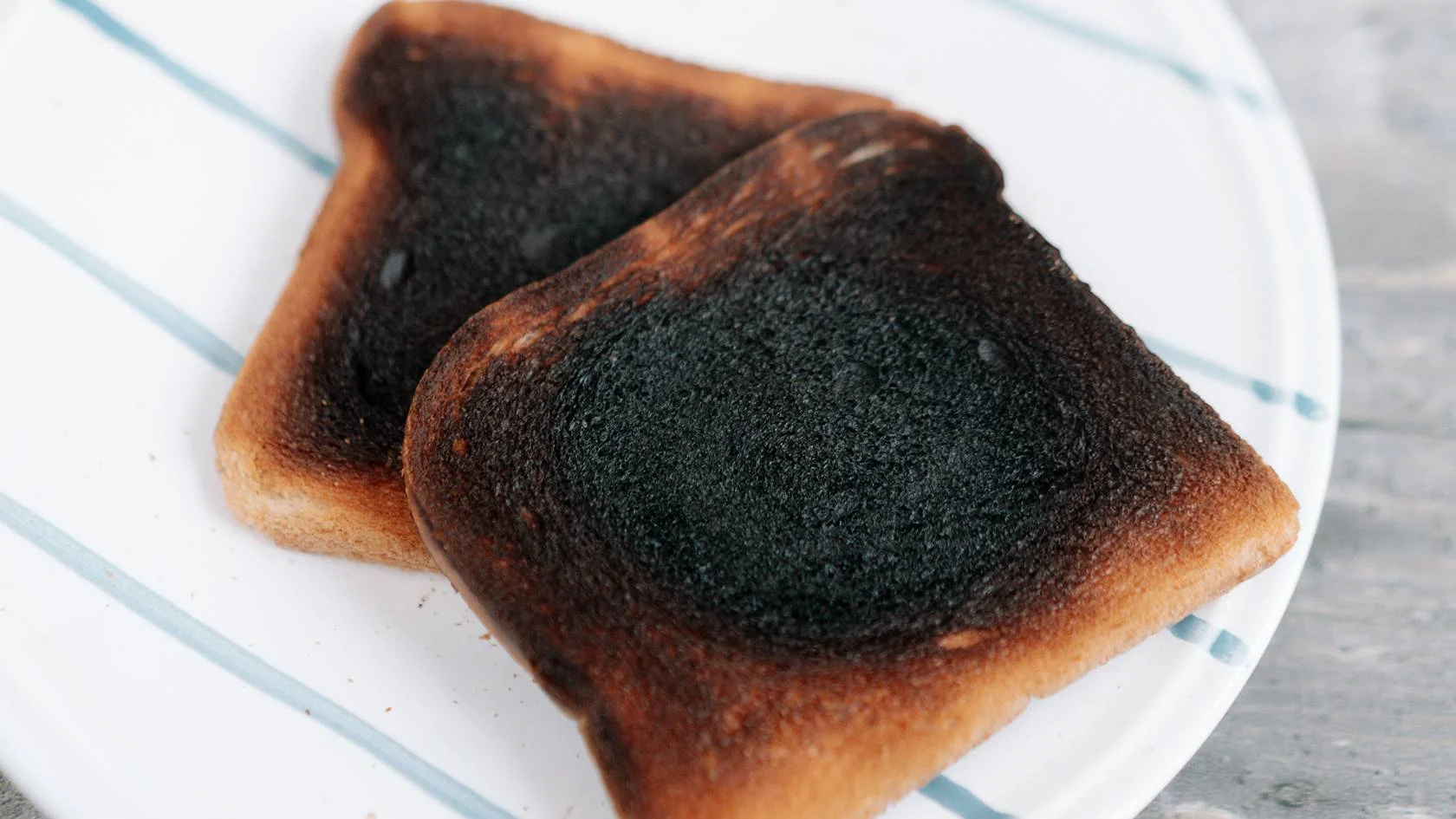
Burnt Toast Theory: A Different Way to Reframe Frustration After Small Failures Without Toxic Positivity
Have you ever experienced a minor inconvenience that left you frustrated and wondering whether it happened for a reason? From burning your morning toast to arriving a few minutes late at work, everyday setbacks can sometimes feel more significant than they first appear. These experiences often change how we understand life’s frustrations and unexpected twists.
The Burnt Toast Theory has gained attention in recent years as a popular way of looking at small inconveniences and negative situations. The concept has sparked discussions about perspective, mindfulness, and how people respond or react to misfortune. It has also become widely discussed as a way to reframe everyday challenges.
While life doesn’t always go according to plan, many people are drawn to concepts that help them make sense of unexpected occurrences. The Burnt Toast Theory offers one such perspective, encouraging a different perspective on the setbacks we sometimes encounter. Read on to learn more about this idea and why it continues to resonate with so many people.
 You’ll talk with Devika Rogersour Matching Specialist
Start with a free 20-minute matching consultation.
Open now — a Matching Specialist can take your call
Phone line closed — leave a message and expect our call the next business day morning
Help us find your match. Our Matching Specialist will be in touch.
Help us find your match. We’ll contact you the next business day.
View profiles & book online
What Is the Burnt Toast Theory and Why Has It Become So Popular?
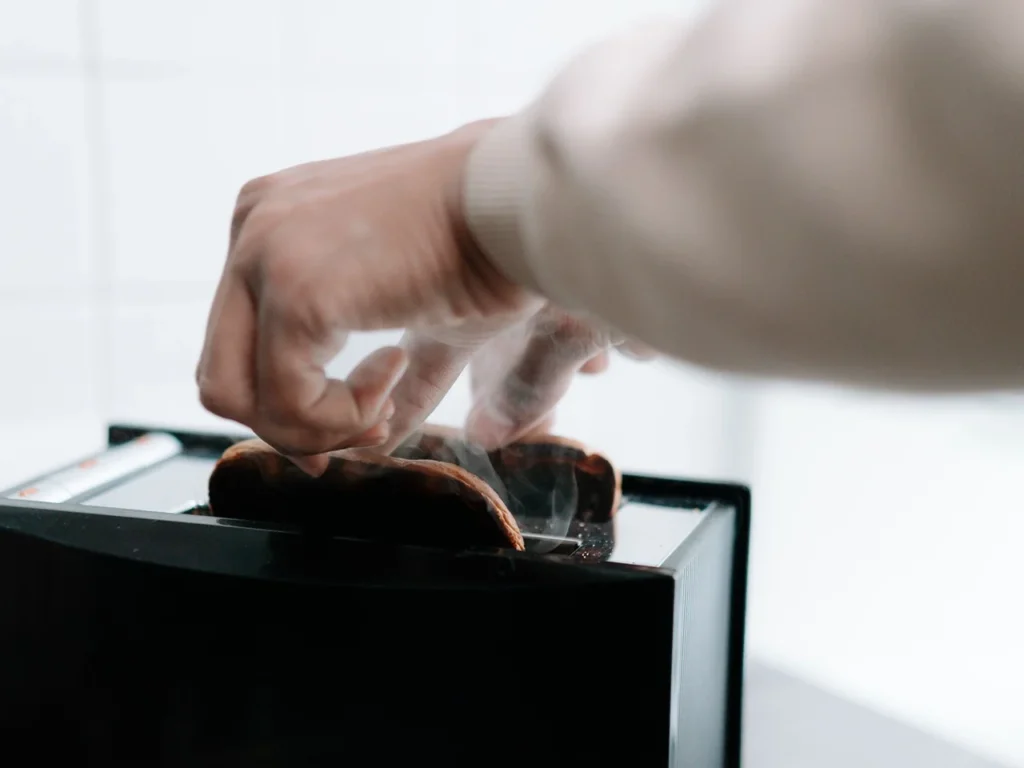
This is really just a simple way of looking at life’s inconveniences a bit differently. It’s the idea that what feels like a setback might actually be part of a bigger picture you can’t see yet. A mindset shift like this can make everyday surprises feel a little less stressful.
Core Idea Behind the Concept
The burnt toast theory suggests that even seemingly inconsequential moments might be part of a chain of events that leads somewhere else. It’s not really about proving anything and is more about how you choose to reframe your thinking when life doesn’t go as planned.
- The burnt toast theory is the idea that small misfortunes could be connected to something bigger.
- It encourages you to reframe your thinking when dealing with minor frustrations.
- It suggests that occurrences can lead to a potential positive outcome you didn’t expect.
- It’s a different way to look at life’s inconveniences without jumping to conclusions.
Why It Gained Attention
It blew up as a TikTok trend because people could actually relate to it. You burn your toast, you spill coffee, you’re late to work, and then later you start wondering if that small inconvenience changed your day in a meaningful way. Sometimes you can even feel like it “saved you from a car accident” or helped you cross paths with a new friend or opportunity.
- It connects with real-life moments like lateness, spilt coffee, and minor frustrations.
- It ties into the idea that everything happens for a reason or for a greater good.
- It feels similar to concepts like the butterfly effect, domino effect, and chaos theory.
- It can help create a calmer outlook on life and build emotional resilience during small misfortunes.
How the Burnt Toast Theory Helps Us Cope and Reframe Setbacks

This is one of those simple ideas people use when things don’t go the way they planned. The burnt toast theory isn’t about overthinking every small thing; it’s more like a quick mental reset when something suddenly throws your day off. It helps you react a bit more softly instead of getting stuck in frustration.
A Softer Way to Respond in the Moment
You know those moments like “if you burn your toast” in the morning, or something small suddenly ruins your timing? That’s usually when emotions kick in fast. Burnt toast theory can help slow that down a bit, so you don’t spiral right away and just take the situation as it is.
- Burnt toast theory can help calm that instant “this is annoying” reaction.
- It gives you a bit of space before you react.
- The theory promotes a gentler psychological coping style in small everyday moments.
- It helps things feel less overwhelming than they first seem.
How It Shapes Thought Patterns
Over time, it kind of changes how you talk to yourself when things go wrong. It’s a bit like the simple thought-checking you’d see in cognitive behavioural therapy (CBT), just in a more casual, everyday way. You start building a bit more psychological resilience without even noticing it.
- It slowly shifts automatic negative thought patterns.
- It reflects basic CBT-style thinking in a simple form.
- It supports psychological resilience in daily life.
- It helps you recover mentally faster after small setbacks.
Some Relatable Examples of The Burnt Toast Theory in Action

This idea is really just about those moments when something small goes wrong, and you can’t help but think, “that could’ve gone worse.” The burnt toast theory asks you to slow down those automatic thought patterns and see if a small inconvenience might actually shift your day in a better direction.
- Missing a bus and later feeling like it may actually be saving your life by steering you away from worse situations.
- Spilling coffee and having to slow down a bit, which actually helps reduce anxiety before your day gets busier.
- Being late to something and realizing you missed a tense moment that could’ve turned into bigger problems.
- Getting a flat tire and meeting someone while waiting for help, who turns it into a networking opportunity you didn’t expect.
- Taking a different route because of traffic and unknowingly avoiding something serious, almost like toast saved you from a worse situation.
- Forgetting something at home and going back, giving you that pause where things could’ve derailed but didn’t.
- A cancelled plan that suddenly gives you calmness and space to just reset, like you get to make another batch of how your day goes.
- Oversleeping and leaving later than planned, but somehow missing a stressful moment you would’ve walked into earlier.
- Getting stuck in a queue and arriving after a problem has already passed, like another slice, may have saved you from unnecessary stress.
- Changing your mind at the last minute and ending up somewhere that actually leads to positive outcomes you didn’t expect.
No waitlists. In-person in Barrie, Orillia, Newmarket, or online across Ontario.
Open now — a Matching Specialist can take your call
Phone line closed — leave a message and expect our call the next business day morning
Help us find your match. Our Matching Specialist will be in touch.
Help us find your match. We’ll contact you the next business day.
View profiles & book online
Burnt Toast Theory vs Toxic Positivity, Optimism, and Positive Thinking

Many people often mix these mindset ideas together, but they don’t really work the same way in real life. Some of them push you to stay positive or optimistic no matter what, while others are more about how you handle your thoughts when things don’t go your way. The difference shows up in those small and frustrating everyday moments we all deal with.
Not Forcing a Positive Reaction
Some approaches make it feel like you have to turn every situation into something good, even when it clearly isn’t. This one doesn’t do that. It’s more relaxed about letting you feel what you actually feel without trying to fix it right away.
- No pressure to turn a bad moment into something positive.
- No need to replace frustration with fake positivity.
- No expectation to “look on the bright side” immediately.
- No rule about how you should feel in the moment.
How It Differs from Toxic Positivity
Toxic positivity is that “good vibes only” attitude or mindset, even when things are clearly not alright. It can sometimes feel pretty exhausting when you’re just trying to process something real. This approach doesn’t try to shut any of that down.
- Doesn’t ignore or dismiss negative feelings.
- Doesn’t force you to smile through uncomfortable moments.
- Doesn’t act like every situation has a silver lining.
- Doesn’t push you to hide what you’re actually feeling.
How It Differs from Optimism
Optimism is more like expecting things will somehow work out in the end. This is different because there’s no expectation at all; it doesn’t try to guess how things will turn out.
- Doesn’t assume things will end well.
- Doesn’t rely on hoping for a specific outcome.
- Doesn’t frame situations around future results.
- Doesn’t push an “it’ll all be okay” mindset.
How It Differs from Positive Thinking
Positive thinking usually means trying to swap negative thoughts for better ones. That can work for some people, but this approach doesn’t ask you to do that mental switch.
- Doesn’t force you to replace negative thoughts.
- Doesn’t require you to reframe everything positively.
- Doesn’t try to control how you think about a situation.
- Doesn’t push a constantly upbeat mindset.
What Makes It Feel Different
What really stands out is how it doesn’t add pressure to your thoughts at all. It’s less about changing your mindset and more about permitting yourself to just take things as they come.
- No pressure to think a certain way about things.
- No emotional “rules” to follow in tough moments.
- No need to force meaning or positivity.
- Leaves you room to just process things naturally.
Benefits of the Burnt Toast Theory for Building Emotional Resilience

Over time, this way of thinking can make small everyday annoyances or inconveniences feel less draining. It doesn’t change what happens, but it helps you not get stuck on it for too long. You kind of just notice the moment, deal with it, and move on a bit easier.
Helps You Move On from Small Setbacks
We all have those little moments that shouldn’t be a big deal, but somehow stick in our heads. This helps you drop them faster instead of replaying them over and over.
- Makes it easier to stop overthinking small mistakes.
- Helps you shift your attention back to your day.
- Keeps minor frustrations from piling up.
- Letting you reset mentally a bit quicker.
Makes Unexpected Changes Feel Less Stressful
Like when plans suddenly change, or something throws off your timing, it can feel more annoying than it really is. This way of thinking helps take the edge off that reaction.
- Softens the impact of sudden changes.
- Helps reduce that “ugh, why now?” feeling.
- Makes small disruptions feel less intense.
- Helps you stay more even in the moment.
Helps You Stay a Bit More Patient
There are days when everything feels slightly delayed or off track, and it can get irritating fast. This just helps you not react so strongly every time something small doesn’t go your way.
- Makes waiting or delays easier to handle.
- Helps you stay calmer when plans shift.
- Reduces quick frustration in the moment.
- Helps you not rush emotionally into annoyance.
Changes How You React to Small Stuff
Instead of instantly labelling something as a bad moment, there’s a bit more space to pause. Sometimes that small pause is enough to stop things from feeling bigger than they are.
- Helps you pause before reacting.
- Makes small issues feel less important than they first seem.
- Reduces knee-jerk negative reactions.
- Gives you a bit more mental space in the moment.
Makes Everyday Life Feel a Bit Lighter Over Time
After a while, you notice you’re not getting as stuck on little things as before. It doesn’t mean nothing bothers you; it just doesn’t stay with you as long.
- Helps reduce buildup from daily annoyances.
- Makes it easier to let small things go.
- Keeps your mood steadier throughout the day.
- Helps you recover faster from little disruptions.
Final Thoughts
The Burnt Toast Theory is just a simple way of looking at small everyday inconveniences without getting too worked up about them. Like when a morning doesn’t go right, or plans suddenly get delayed, it’s easy for everything to feel worse than it really is.
Most people know that feeling where one small thing can throw off the whole mood of the day. This idea just encourages a quick pause before reacting, so things don’t feel so heavy right away.
It doesn’t try to force meaning into every situation; it just gives a bit more space to breathe and process what’s happening. In the end, it’s about making those little frustrations easier to handle and move on from.
Frequently Asked Questions
Can the Burnt Toast Theory make people ignore real problems?
This idea isn’t about ignoring real problems at all. It’s more about those small everyday annoyances that can sometimes feel bigger than they really are, especially when the day already feels off.
Awareness: Real problems still matter, and this way of thinking doesn’t try to dismiss anything serious or important.
Proportion: It just helps put small frustrations back in perspective, like when something tiny happens and suddenly it feels like the whole day is ruined.
Healthy balance: Most of the time, it is just about not letting a bunch of little annoyances pile up and drain your mood more than they should.
Does the Burnt Toast Theory mean everything happens for a reason?
Not really. It can feel like that sometimes when you look back and connect the dots, but the idea itself doesn’t claim that everything is planned or has a hidden purpose.
Interpretation, not certainty: It is more about how people naturally try to make sense of things after they happen, not a rule that everything is meant to be.
Flexible thinking: Some moments might feel meaningful later on, but that meaning comes from how you see it, not from the idea itself.
No fixed outcome story: It doesn’t assume life is secretly guiding things toward a specific result or path.
Personal meaning: People can still find meaning in experiences, but it is something we give to events, not something guaranteed by them.
Is the Burnt Toast Theory meant to change your personality or mindset long-term?
No, it is not meant to change who you are or how you think in a permanent way. It is more like a small way of looking at certain moments when things don’t go as planned.
Situational use: It usually comes up in small everyday situations like delays or minor mistakes, not as a constant mindset.
No identity shift: It does not change your personality or how you see life overall.
Optional use: Some people think this way often without noticing, while others only use it once in a while when something mildly annoying happens.
Can the Burnt Toast Theory actually help with anxiety or stress?
It can help a bit with small stress moments, especially when something minor is starting to feel more frustrating than it should. But it is not meant for deeper anxiety or serious emotional struggles.
Short-term relief: It can make small, annoying situations feel less intense in the moment, like taking a relieving deep breath before reacting.
Thought interruption: It helps you stop that loop where you keep replaying something small in your mind.
Not a cure: It does not replace any type of therapy, treatment, or proper support when things are more serious.
Supportive tool: Think of it more like a quick mental reset for everyday stress, not something deeper or clinical.
Why do people relate to the Burnt Toast Theory so easily?
Because it feels very real and familiar, everyone has those small moments where something minor happens, and it somehow affects the mood more than expected.
Everyday moments: Things like delays, errors or mistakes, or little disruptions happen all the time, so it’s easy to relate to.
Relatable timing: It captures that feeling where you know something is small, but it still kind of annoys you anyway.
Simple framing: There is nothing complicated about it, so it clicks quickly without needing explanation.
Emotional ease: It gives a softer way to look at frustrating moments instead of overthinking them or letting them build up.
Take the next step in whichever way suits you best.
Open now — a Matching Specialist can take your call
Phone line closed — leave a message and expect our call the next business day morning
Help us find your match. Our Matching Specialist will be in touch.
Help us find your match. We’ll contact you the next business day.
View profiles & book online