

Social Worker vs. Psychotherapist: What’s the Difference and Which Is the Right Fit for Your Needs?
Have you ever looked into getting mental health support and wondered whether you should see a social worker or a psychotherapist? A lot of people come across both terms while searching for a mental health therapist and aren’t sure what sets them apart.
At first glance, a social worker and a psychotherapist can seem like they do the same thing, which makes choosing between them feel a little confusing. It’s completely normal to be confused and have questions, especially if you’re looking for support for the first time. Having a basic knowledge of the difference can make that first step feel less overwhelming.
Finding the right mental health therapist is an important part of getting the support you need. The good news is that learning the difference between a social worker and a psychotherapist doesn’t have to be complicated. Read on to better understand your options and feel more confident about where to start.
Contact us today through our online form or call (705) 737-3513 for expert counselling and therapy in Barrie, Orillia, Newmarket, and online across Ontario.
Get In TouchThe Difference Between a Social Worker and a Psychotherapist

If you’re looking into mental health support, you’ve probably seen both social workers and registered psychotherapists come up. It can be a little confusing because both professions help people through mental health conditions, but they don’t have the same role. Understanding the difference can make it easier to know what to expect and feel more confident as you take the next step in your mental health journey.
What Is a Social Worker?
Social workers are regulated professional who helps people improve their mental health and well-being while also looking at the challenges happening around them. Rather than focusing on one issue alone, registered social workers (RSWs) consider how relationships, work, family, finances, housing, and other life circumstances can affect social functioning. In Ontario, only professionals regulated by the Ontario College of Social Workers and Social Service Workers (OCSWSSW) can call themselves social workers or use the title Registered Social Worker (RSW).
What Social Workers Focus On
- Social workers are trained to support individuals, families, and communities.
- Social workers focus on improving social functioning and overall well-being.
- Social workers use counselling and social interventions to address everyday challenges.
- They work in hospitals, schools, community organizations, government agencies, and private practice.
- They provide psychotherapy when it falls within their scope of practice.
What Is a Registered Psychotherapist?
A registered psychotherapist is a regulated mental health professional whose main role is to provide psychotherapy through talk therapy. Although Registered Psychotherapists (RPs) cannot diagnose mental health conditions, they can help individuals understand, manage, and cope with their symptoms through psychotherapy. Their work centres on building a therapeutic relationship where clients can openly discuss their thoughts, emotions, and experiences in a safe and supportive space. In Ontario, registered psychotherapists (RPs) are regulated by the College of Registered Psychotherapists of Ontario (CRPO) and follow professional standards for ethical practice and continuing education.
What Registered Psychotherapists Focus On
- Providing psychotherapy as their primary service.
- Using therapeutic approaches, including CBT, when appropriate.
- Helping clients work through emotional and mental health challenges.
- Supporting individuals, couples, families, and groups.
- Practicing within the controlled act of psychotherapy.
What’s the Main Difference?
At first, psychotherapists and social workers can seem very similar because both support people dealing with mental health challenges. The biggest difference is that social workers focus on the person as a whole, including the social and everyday factors that affect their well-being, while registered psychotherapists focus primarily on psychotherapy through a therapeutic relationship.
It’s also worth knowing that psychotherapy isn’t provided only by registered psychotherapists. Psychotherapy in Ontario can also be provided by other qualified and regulated mental health professionals, including psychiatrists, psychologists, and clinical social workers, as long as it falls within their authorized scope of practice.
These professionals can help people experiencing mental health disorders by offering support, assessment, and treatment methods that match their training and qualifications.
What Essential Skills Should Social Workers and Psychotherapists Have?
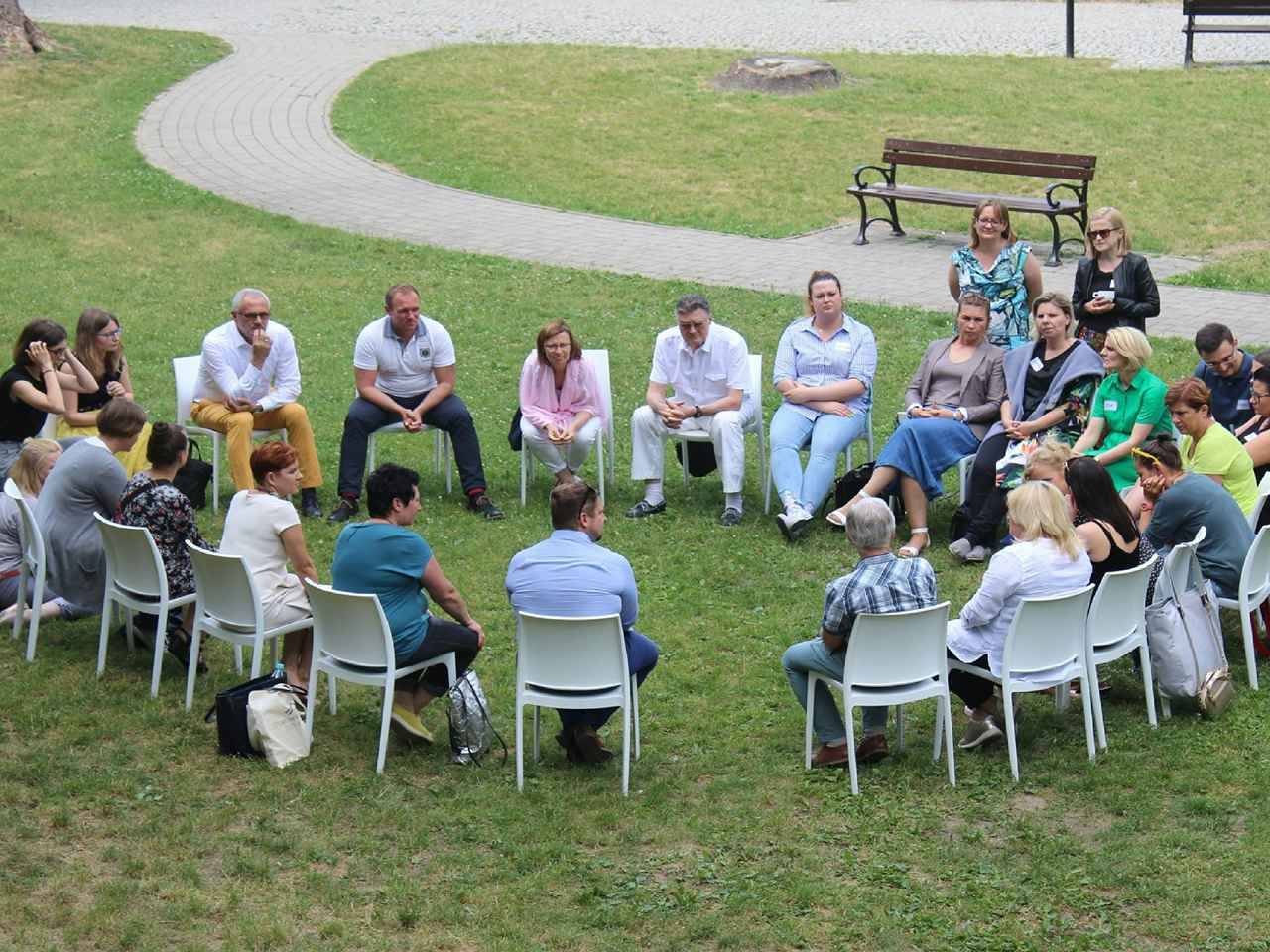
Everyone’s reason for seeking support is different. Some people need help through a stressful life event, while others are looking for ways to manage ongoing mental health challenges. That’s why social workers and psychotherapists need a wide range of skills that help them understand each person’s situation and provide psychotherapy and counselling in a way that feels supportive and meaningful.
Skills That Make a Difference in Every Session
A good session is about more than asking questions and giving advice. Social workers and psychotherapists use practical and interpersonal skills to help make each session feel productive, respectful, meaningful, and focused on what matters most to each client.
- Speaking in a way that’s easy to understand.
- Listening without interrupting or making assumptions.
- Helping clients feel comfortable enough to open up.
- Understanding how personal and systemic factors can shape someone’s experiences.
- Respecting different backgrounds, cultures, and values.
- Staying calm when conversations become emotional.
- Handling sensitive information with professionalism and care.
- Knowing when another professional, such as a psychologist or psychiatrist, should be involved.
- Working toward realistic goals with each client.
- Keeping the focus on what matters most to the person seeking support.
Qualities That Continue to Grow Over Time
Some abilities become stronger with experience. Whether someone begins with a degree in social work, a master’s degree, or completes additional clinical training, learning doesn’t stop after entering the profession. Working with different people, gaining new experiences, and continuing professional development all help strengthen the care they provide.
- Becoming more confident in challenging situations.
- Learning better ways to communicate with different people.
- Strengthening professional judgment through experience.
- Growing through supervision and ongoing learning.
- Keeping current with developments in psychotherapy and counselling.
- Working effectively with clinical counsellors and other healthcare professionals.
- Adapting to different personalities and situations.
- Finding better ways to support people with changing needs.
- Building stronger problem-solving skills over time.
- Continuing to develop throughout their career.
How Do These Skills Help Clients?
When you meet with a social worker or psychotherapist, it’s often the small things that help you feel at ease. Feeling listened to, respected, and understood can make it much easier to have honest conversations and stay engaged in the process. Those everyday skills help create a stronger connection and support a more positive mental health journey.
Registered Social Worker (RSW) vs. Registered Psychotherapist (RP): Education and Training

When you’re looking for mental health support, it’s natural to wonder what kind of training your provider has. Registered social workers and registered psychotherapists both spend years preparing for their profession, but they don’t follow the same path. Their education and hands-on training are designed to match the type of care they provide.
Education Comes First
Before working with clients, both complete a formal education, but what they study isn’t exactly the same. Their programs focus on different areas, helping each profession develop its own set of skills, knowledge, and perspectives.
Registered Social Worker (RSW)
- Earns a degree in social work.
- Many social workers continue with a master’s degree in social work.
- Studies people, families, communities, and the social factors that shape everyday life.
- Learns ways to support both practical concerns and emotional well-being.
- Completes the education required for professional registration.
Registered Psychotherapist (RP)
- Completes education focused on providing psychotherapy.
- Studies mental health, therapeutic approaches, ethics, and professional practice.
- Learns how to work with people experiencing different mental health challenges.
- Builds a strong understanding of psychotherapy before beginning supervised practice.
- Meets the education requirements outlined under the Psychotherapy Act.
Training Happens Beyond the Classroom
Reading textbooks is one thing, but working with real people is where much of the learning happens. That’s why both professions complete supervised training before practicing on their own, giving them the chance to apply what they’ve learned in real-life situations.
Registered Social Worker (RSW)
- Completes supervised field placements during social work education.
- Gains hands-on experience in hospitals, schools, the community, and other social service settings.
- Works directly with individuals, families, groups, and communities under supervision.
- Learns how to apply professional knowledge in everyday practice.
Registered Psychotherapist (RP)
- Completes supervised clinical experience before independent practice.
- Builds confidence through hands-on clinical counselling experience and direct work with clients.
- Receives guidance and feedback from experienced supervisors.
- Develops practical experience using therapeutic approaches with clients.
Learning Continues Throughout Their Career
Graduating and becoming registered isn’t the finish line. Both professions continue learning as they gain experience, take part in professional development, and stay current with changes in mental health care. That ongoing commitment helps them provide the best support they can throughout their careers.
Contact us today through our online form or call (705) 737-3513 for expert counselling and therapy in Barrie, Orillia, Newmarket, and online across Ontario.
Get In TouchHow Do Social Work and Psychotherapy Work Together to Support Mental Health?

Life doesn’t always fit neatly into one box, and neither do mental health challenges. Sometimes, you might need someone to help you work through difficult emotions while also getting support with the practical parts of life. That’s where social work and psychotherapy can work well together, with each playing a different but equally important role.
Supporting Different Parts of Your Mental Health Journey
Social work and psychotherapy come from different professional backgrounds, but they often support the same person in different ways. Instead of doing the same job, they focus on different needs that can both make a difference in someone’s recovery and well-being.
How Social Work Supports Everyday Life
- Helps with challenges that affect daily living and overall well-being.
- Connects people with community resources and local support services.
- Helps reduce barriers that can make life more difficult.
- Provides guidance when navigating personal, family, or community concerns.
- Supports long-term stability through practical assistance.
How Psychotherapy Supports Emotional Well-Being
- Provides a safe place to talk through thoughts, feelings, and experiences.
- Helps people better understand emotional and behavioural patterns.
- Encourages healthier ways to cope with life’s challenges.
- Supports personal growth through ongoing conversations.
- Helps people work toward lasting emotional change.
Working Together for More Complete Support
Sometimes, one type of support isn’t enough, and that’s completely okay. Social work and psychotherapy can complement each other by focusing on different parts of a person’s life at the same time. This allows practical concerns and emotional well-being to be addressed together instead of separately.
- Practical challenges and emotional concerns can be supported at the same time.
- Referrals make it easier to connect with the right services when needs change.
- Different professionals can contribute their own expertise when appropriate.
- Support can continue across community, healthcare, and counselling settings.
- Care becomes more connected instead of focusing on just one concern.
Why Does This Matter?
When you’re going through a difficult time, it’s helpful to know you don’t have to rely on just one kind of support. Having practical guidance alongside emotional support can make challenges feel more manageable and less overwhelming. For many people, that combination creates a stronger path toward better mental health and overall well-being.
Social Worker or Psychotherapist: Which Is the Right Fit for Your Needs?

Choosing between a social worker and a psychotherapist can feel a little overwhelming, especially when you’re already dealing with personal challenges. Both professionals can provide support, but the kind of help they offer may look different depending on what you’re going through. Knowing what each one focuses on can make the decision feel a little easier and help you find the support that feels right for you.
When a Social Worker May Be a Good Option
A social worker can be a helpful choice when the challenges you’re facing are connected to different parts of your life, not just your emotions. They often look at the bigger picture, including your relationships, family situation, work, community, and other factors that may affect your well-being. A social worker may be a good fit if you need support with:
- Handling major life changes or difficult situations.
- Finding helpful community services and resources.
- Working through family, relationship, or social concerns.
- Understanding how your surroundings may affect your mental health.
- Getting guidance that considers both personal struggles and everyday challenges.
When a Psychotherapist May Be a Good Option
A psychotherapist may be the right choice if you want a space focused on your thoughts, feelings, behaviours, and emotional experiences. Through psychotherapy, they help clients explore what they are going through and develop healthier ways to manage challenges. A psychotherapist may be a good fit if you need support with:
- Understanding your emotions and personal experiences.
- Exploring patterns that may affect your thoughts or behaviours.
- Learning new ways to cope with stress and difficult feelings.
- Working through personal concerns in a supportive setting.
- Building greater self-awareness through therapy.
Questions to Ask Before Making a Choice
It is normal to be unsure about where to begin. The best choice depends on what you need right now and the type of support that feels most helpful for your situation. You may want to consider:
- Am I mainly looking for emotional support, practical guidance, or both?
- Do I want to focus on psychotherapy or broader life challenges?
- Would it help to talk with someone who considers my social and personal circumstances?
- Am I looking for a professional who focuses mainly on talk therapy?
- Does my insurance plan cover social workers, psychotherapists, or both?
Finding the right professional is not about choosing one profession over another. It’s about finding someone whose approach matches what you need at this point in your life and who can support you as you work toward better mental health and well-being.
Final Thoughts
Understanding the difference between a social worker and a psychotherapist can make finding mental health support feel a little easier when you’re already dealing with personal challenges; trying to figure out which professional to see can feel like one more thing to worry about.
A social worker and a psychotherapist can both provide valuable support, but they may focus on different parts of what you’re experiencing. Some people may benefit from help with life circumstances and social factors, while others may need a space focused on emotions, thoughts, and behaviours through psychotherapy.
In some situations, both professionals can work together to support different needs at the same time. Knowing your options can help you take the next step for your mental health with more confidence and get the support that is right for you.
Frequently Asked Questions
Can a social service worker provide mental health support?
A social service worker can be a helpful person to turn to when life feels pretty challenging or overwhelming. While their role is different from professionals who provide psychotherapy, they can still help people find support, resources, and services that fit their situation.
Practical support: They can help connect people with programs, services, and resources in their community.
Life challenges: They may assist with concerns involving family, housing, work, or other everyday struggles.
Different roles: Their responsibilities are different from professionals who provide psychotherapy or diagnose mental health conditions.
Collaboration: They may work alongside other professionals when someone needs additional support.
How does psychotherapy in Ontario differ from other mental health services?
Psychotherapy in Ontario gives people a space to talk about their thoughts, feelings, and experiences with a trained professional. It focuses on helping people better understand themselves and work through personal challenges.
Talk-based support: It provides a safe place to discuss concerns and explore possible ways forward.
Different providers: Registered psychotherapists, psychologists, psychiatrists, and some clinical social workers may provide psychotherapy.
Personal approach: Sessions are shaped around a person’s needs, goals, and experiences.
Professional standards: Providers follow the rules and expectations of their profession.
Can a psychologist or other mental health professional diagnose mental health conditions?
It can be confusing to know who can really diagnose mental health conditions because different professionals have different roles. Their ability to diagnose depends on their education, training, skills, and scope of practice.
Psychologists: Qualified psychologists may assess and diagnose certain mental health conditions.
Psychiatrists: Psychiatrists can diagnose mental health conditions and provide medical treatment when needed.
Registered psychotherapists: RPs cannot diagnose mental health conditions but can help people understand and manage symptoms through psychotherapy.
Professional limits: Each profession has specific responsibilities to make sure people receive appropriate care.
When is CBT used as part of mental health support?
CBT is a common approach used in psychotherapy and counselling to help people understand the connection between their thoughts, feelings, and behaviours. It can be helpful for people who want to build new ways of handling difficult emotions or situations.
Thought patterns: CBT helps people notice and understand thoughts that may affect how they feel and respond.
Coping skills: It teaches practical strategies for managing stress and life challenges.
Personal goals: CBT often concentrates on specific concerns and areas someone wants to change or improve.
Professional support: A trained provider can help decide if CBT is the right approach.
Who can provide psychotherapy or counselling outside of a registered psychotherapist?
Many people think only registered psychotherapists provide psychotherapy or counselling, but that is not always the case. Other regulated professionals may also provide psychotherapy if it fits within their training and professional scope.
Clinical social workers: Some registered social workers are trained to provide psychotherapy.
Psychologists: Psychologists may offer psychotherapy as part of their services.
Psychiatrists: Psychiatrists may include psychotherapy in their approach to care.
Professional requirements: Anyone providing psychotherapy must follow the standards of their regulated profession.
Contact us today through our online form or call (705) 737-3513 for expert counselling and therapy in Barrie, Orillia, Newmarket, and online across Ontario.
Get In Touch