
Does Marriage Counselling Work? Insights on How Marriage Counselling Helps Relationships
Does marriage counselling really work when relationships feel strained? Many couples facing infidelity, intimacy concerns, or ongoing relationship challenges often turn to couple therapy or marriage therapy to rebuild trust and improve communication. Counselling provides a supportive and safe space where one or both partners can share thoughts and feelings with the support of a marriage counsellor.
Marriage and family therapy may involve approaches such as the Gottman Method or emotionally focused therapy. In these counselling sessions, a therapist or counsellor helps you identify underlying issues, address unhealthy relationship patterns, and resolve conflicts in a committed relationship.
Marriage counselling offers benefits like improving intimacy, enhancing communication, and increasing relationship satisfaction. Read on to find out how marriage counselling can support and help couples in strengthening their marriage and moving closer to a stronger, healthier, and fulfilling relationship.
Contact us today through our online form or call (705) 737-3513 for expert counselling and therapy in Barrie, Orillia, Newmarket, and online across Ontario.
Get In TouchUnderstanding Marriage Counselling and How It Helps Couples
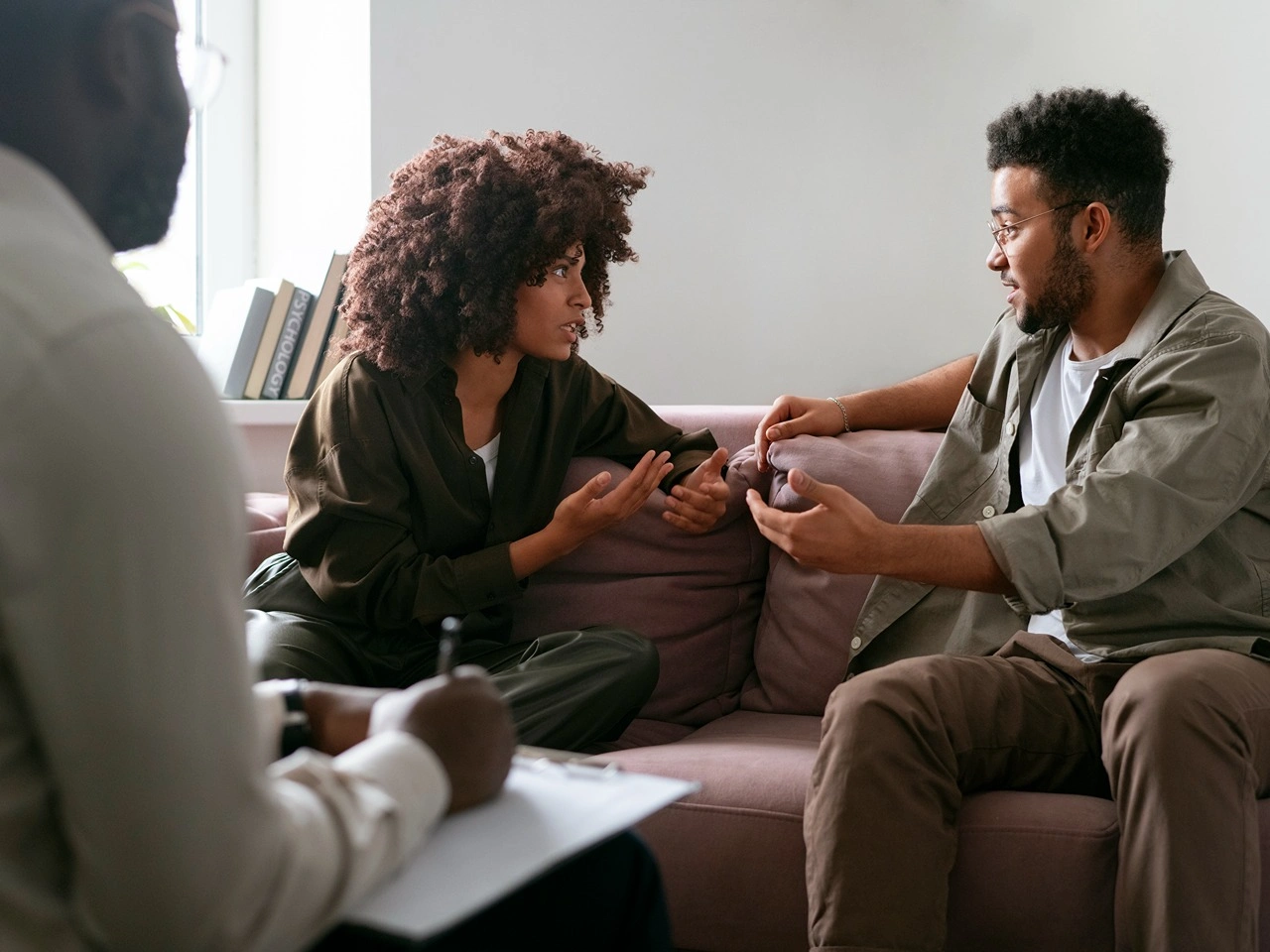
Many couples feel disconnected or unhappy at times, struggling with relationship difficulties that affect their intimacy. Therapy or marriage counselling can provide a supportive space where a trained therapist helps one partner—or both—explore their relationship history and start improving communication.
What Is Marriage Counselling?
Marriage counselling, also known as relationship therapy or couples therapy, is a form of therapy where a counsellor works with couples to address relationship issues and strengthen their connection. Couples go to counselling to understand underlying issues, rebuild trust, and learn practical ways to improve their relationship. A therapist may draw on experience working with couples to guide them through effective relationship work.
Key Features of Marriage Counselling
- Supportive Environment: Counselling provides a safe, understanding space for couples to share thoughts and feelings.
- Therapist Guidance: A trained therapist helps couples identify relationship patterns and work through relationship difficulties.
- Individual and Couples Therapy: Sessions may focus on one partner through individual counselling or both partners together in couples counselling.
- Communication Skills: Couples learn ways to talk openly, listen actively, and understand each other better.
- Conflict Resolution: Counselling provides tools and strategies for couples at high risk for divorce to manage conflicts calmly and strengthen their relationship.
- Stronger Connection: Couples who engage in therapy often experience greater intimacy, healthier relationships, and steps toward a more fulfilling connection.
Does Marriage Counselling Work and How Does Therapy Help Couples?

Many couples wonder, “Does marriage counselling work?” The answer depends on several factors, including the counsellor’s approach and the couple’s willingness to cooperate in the counselling process.
Couples who try counselling often seek help for troubled relationships, whether from communication issues, intimacy concerns, or spending an average of six years being disconnected and unhappy before seeking help, as Dr. John Gottman said in his research.
Evidence That Marriage Counselling Works
Studies and clinical experience show that therapy or marriage counselling can be effective when both partners are committed to the process. Marriage counselling offers a safe and supportive space where a trained therapist helps couples explore their relationship history, identify unhealthy patterns, and address underlying issues.
Sometimes, therapists may recommend individual therapy along with marriage counselling to help and support couples with personal growth, which contributes to a lasting, healthy relationship.
Ways Couples See Therapy Work:
- Enhanced Communication: Couples learn practical skills to express thoughts and emotions more clearly in their intimate relationships.
- Conflict Resolution: Counselling may help couples manage disagreements and avoid destructive cycles.
- Rebuilding Trust: Therapy supports couples in healing after breaches like infidelity, creating space for better relationships.
- Better Relationship Understanding: Couples gain deeper insight into their triggers, needs, and patterns.
- Strengthened Commitment: Couples who engage fully in therapy often move toward a more secure, fulfilling relationship.
When Counselling Is Most Effective
Marriage counselling isn’t a quick fix — it works best when couples are emotionally ready, committed to the process, and open to practicing new skills. While one partner may attend counselling alone, positive results can happen when both partners commit. A counsellor or therapist may suggest therapy with a different therapist or virtual therapy if it better supports accessibility and development.
Factors That Influence Success:
- Commitment from Both Partners: Counselling is most effective and beneficial when both partners are engaged and supporting each other.
- Consistency: Regular sessions and applying techniques outside therapy improve results.
- Choosing the Right Therapist: It’s important to choose a therapist experienced in working with romantic relationships and skilled in approaches like emotionally focused therapy or the Gottman Method.
- Openness to the Process: Couples who are honest, willing to grow, and not in an abusive relationship often achieve stronger outcomes.
The Benefits of Marriage Counselling and Why Therapy Works

Marriage counselling is a therapeutic process where a trained therapist helps couples explore and resolve their unique issues, strengthen their connection, and find healthier ways to grow as a couple. Every marriage has its unique challenges, and counselling or therapy has become the safest and trusted space for couples to seek guidance and support.
1. Enhancing the Relationship
Couples seek counselling to restore and strengthen their relationship, rebuild trust, and nurture deeper intimacy. With the help of a counsellor or therapist, improving the relationship becomes an achievable and rewarding goal.
2. Building Relationship Success
Therapy across different stages of life helps couples establish tools for long-term stability. It gives partners practical ways to communicate, resolve conflict, and maintain balance—essential skills for ongoing relationship success.
3. Support for Considering Marriage
For engaged couples who are preparing to get married, counselling offers clarity before making a decision for a lifelong commitment. It helps couples identify their shared values, be ready for life challenges together, and enter marriage with realistic and practical expectations.
4. Gaining Clarity on Whether Marriage Can Work
Sometimes couples feel lost about the future. Counselling can help you in deciding whether getting married is still the best idea or whether it might be wiser to think about respectfully and thoughtfully ending the relationship.
5. Encouraging Individual Growth
Marital problems often highlight personal struggles. In these situations, counselling may encourage one or both partners to consider seeking individual therapy to work through deeper personal issues that affect their relationship.
6. Strengthening Commitment Through the Counselling Process
By choosing to go to counselling together, partners show they’re determined to change. The therapy process itself becomes proof of their dedication to healing and growing as a couple.
7. Developing Healthier Communication Habits
Marriage counselling helps couples learn how to express themselves clearly, listen with empathy, and resolve conflicts respectfully—skills that can transform every relationship dynamic.
8. Providing Emotional Support During Challenges
When life brings stress, transitions, or family struggles, therapy across those moments provides a safe place for couples to lean on guidance, ensuring they don’t face difficulties alone.
Contact us today through our online form or call (705) 737-3513 for expert counselling and therapy in Barrie, Orillia, Newmarket, and online across Ontario.
Get In TouchHow Does the Gottman Method Support Couples in Improving Their Relationship?

The Gottman Method supports couples by providing research-based tools that strengthen connection, enhance communication, and handle conflict in a positive way. It builds a strong foundation while helping partners to grow healthier together.
1. Strengthening Friendship and Connection
A lasting relationship starts with friendship. The Gottman Method encourages couples to express affection, share happy memories, and maintain their interest in one another. This results in a supportive and enjoyable relationship.
2. Handling Conflict in Positive Ways
How couples face and handle their conflict makes the difference. The Gottman method teaches positive and respectful communication, active listening, and compromise. It helps couples face and resolve issues without hostility.
3. Improving Emotional Intimacy
One of the highlighted parts of the Gottman method is the use of small yet meaningful gestures of affection, empathy, and appreciation. This builds a sense of stability and security in the relationship and strengthens the emotional bond.
4. Breaking Negative Patterns
Negative and unhealthy cycles like criticism, defensiveness, or withdrawal can ruin connection. The Gottman Method lets couples recognize these detrimental habits and replace them with positive responses that foster mutual respect, trust, and understanding.
5. Applying the Sound Relationship House Theory
The Sound Relationship House is a key part of the method, which describes how strong relationships are built. Trust, commitment, and respect build the foundation, while layers like healthy communication, emotional connection, and shared purpose and values strengthen the “house” over time.
6. Encouraging Individual Growth
Marriage succeeds if the husband and wife feel safe, supported, and valued. By addressing individual issues, the Gottman Method facilitates development that benefits couples.
7. Adapting to Different Stages of a Relationship
Whether a couple is planning for marriage, overcoming long-term obstacles, or making decisions about their future together, the Gottman Method adjusts to their stage and offers strategies that are appropriate for each particular circumstance and objective.
When Should Couples Seek Help from a Marriage Counsellor?

Many couples tend to wonder if they should wait until problems get worse, but seeking help from professionals early on can improve the relationship and avoid long-term problems. Counselling provides a safe and secure environment where couples can explore relationship challenges, understand each other better, and learn tools to improve their connection.
1. Frequent or Unresolved Conflict
When arguments repeat without resolution or escalate quickly, a counsellor helps couples identify underlying issues and teaches healthier ways to communicate.
2. Breakdown in Communication
If conversations often lead to misunderstandings, defensiveness, or silence, therapy can help partners express their thoughts and feelings more effectively.
3. Loss of Intimacy or Connection
Physical or emotional distance can make couples feel empty and disconnected. Counselling can help rebuild and restore emotional and intimate connections in a relationship.
4. Infidelity or Breaches of Trust
Any form of betrayal, whether through dishonesty, broken promises, or infidelity, usually requires a counsellor’s guidance to navigate emotions and rebuild confidence and trust.
5. Life Transitions and Stress
Major life changes—like welcoming a child, moving to a new place, or going through career shifts—can put extra stress on a relationship. A counsellor provides support to adjust and maintain a partnership during these transitions.
6. Different Goals or Values
Disagreements over money or finances, family planning, or goals can build tension in a relationship. Marriage counselling helps couple define their objectives, find compromise, and align each other’s expectations.
7. Emotional or Verbal Abuse
Emotional or verbal abuse is a heavy reason to seek professional help. Counsellors can offer techniques for staying safe, setting boundaries, and making wise decisions that protect both partners.
8. Considering Ending the Relationship
When one or both partners are thinking about parting ways or divorce, therapy can help explore feelings, understand motivations, and make good decisions.
9. Past Trauma Affecting the Relationship
Unresolved past experiences or personal trauma can make it difficult to fully reconnect or trust again. Marriage counselling offers a safe space for couples to work through the challenges together, and sometimes it’s beneficial to also explore individual therapy alongside it.
Final Thoughts
Marriage counselling can be a helpful approach for couples who are facing marital challenges, feeling empty and disconnected, or hoping to restore and strengthen their relationship. A caring therapist can help partners explore patterns, work through conflicts, and find ways to feel closer and more understood.
Growth often comes from openness, honesty, and trying new approaches together. Even just learning about counselling can give perspective, clarity, and a sense of direction for couples unsure of their next steps.
If you want to know more about marriage counselling or feel it might help, contact us—our team is here to listen, support you, and explore what could work best for your relationship.
Frequently Asked Questions
How do couples know if they should try therapy or marriage counselling?
Sometimes relationships hit bumps that feel bigger than what you can handle alone. Therapy isn’t just for crises—it’s a chance to understand each other better and grow closer.
Arguments keep repeating: If you find yourselves going in circles, saying the same things over and over, it can be exhausting. Talking with someone outside the relationship can help break that pattern.
Feeling disconnected: When one or both of you feel lonely or like you’re drifting apart, even small conversations can feel heavy—therapy gives a space to reconnect.
Big life changes: Moving, starting a new job, or becoming a parent can be joyful but stressful. A therapist can guide you through these transitions without letting tension take over.
Wanting to grow together: Even if things aren’t “bad,” seeking therapy shows you care about building a stronger, healthier connection.
What types of issues do couples address in marriage therapy sessions?
Couples often come to therapy with challenges they don’t know how to handle alone. Counselling is a safe place to dig into feelings and find solutions together.
Communication struggles: Maybe it feels like you’re talking, but not really being heard. Therapy can help you learn to express yourself clearly and really listen.
Trust issues: Whether it’s a big breach like infidelity or smaller broken promises, a therapist can help you rebuild trust at your own pace.
Parenting and family conflicts: Disagreements about kids, household roles, or extended family dynamics can be stressful—but they’re easier to manage with guidance.
Outside stress spilling in: Work pressure, money worries, or health concerns can create tension. Therapy helps you tackle these without letting them hurt your relationship.
Emotional and physical intimacy: Feeling distant from your partner can be painful. Counselling helps you reconnect and feel close again.
Does couples therapy work for long-term relationship challenges?
Even relationships with years of tension or long-standing patterns can improve. The key is showing up willing to try, listen, and change together.
Spotting patterns: Sometimes we repeat habits that cause friction without realizing it. Therapy helps you notice these patterns and respond differently.
Understanding feelings: Learning what your partner truly needs—and why certain things hurt—can reduce misunderstandings and bring empathy.
Practical strategies: You’ll gain tools for talking, listening, and solving problems without escalating into fights.
Applying changes in daily life: The real progress happens when you practice outside the session, turning insight into lasting habits.
Having a neutral guide: A therapist can untangle issues that feel too heavy to handle alone and help both partners feel heard.
What factors contribute to couples waiting an average of six years before seeking professional help?
It’s surprisingly common for couples to wait years before asking for help. Many reasons make sense at the time, even if they delay healing.
Pride or embarrassment: Feeling like you “should handle it yourselves” can stop couples from reaching out sooner.
Doubt it will help: Some wonder if talking to a stranger can really make a difference.
Hoping things will improve naturally: Believing that problems will fade on their own can keep couples from seeking support.
Life logistics: Busy schedules, money worries, or finding the right therapist can feel like obstacles—but overcoming them is worth it.
How can attending therapy be a step toward a stronger relationship for couples?
Therapy offers tools, understanding, and guidance to help couples feel closer, more connected, and capable of facing challenges together.
Better conversations: Learning to share feelings honestly without blame and really listen can transform your day-to-day interactions.
Handling disagreements calmly: Therapy teaches ways to turn arguments into productive discussions rather than ongoing tension.
Rebuilding trust and closeness: Emotional or physical distance can be healed, helping partners feel safe and valued again.
Understanding yourself and your partner: Gaining insight into your own patterns and your partner’s perspective can reduce frustration and increase empathy.
Working as a team: Therapy helps you approach problems together, fostering a sense of collaboration rather than feeling like you’re on opposite sides.
Contact us today through our online form or call (705) 737-3513 for expert counselling and therapy in Barrie, Orillia, Newmarket, and online across Ontario.
Get In Touch